

Introduction
Parenting today isn’t just about raising smart children—it’s also about helping children grow into emotionally healthy and resilient individuals.
As parents and educators, we sometimes notice changes in a child’s behaviour without immediately understanding what may be behind them. A child who becomes unusually irritable, has trouble settling at night, struggles to concentrate, or seems less interested in activities they once enjoyed may be experiencing stress.
Stress is a normal part of life, and children’s bodies respond to stressful situations too. Cortisol is one of the hormones involved in the body’s stress response. However, a child’s behaviour cannot tell us their cortisol level, and these signs can have many different causes.
So rather than asking, “Does my child have high cortisol?”, a more helpful question may be:
“Could my child be feeling stressed or overwhelmed, and what support might help?”
In this article, we’ll look at 7 possible signs of stress in children, some everyday factors that may contribute to stress, and practical ways parents can create calmer, more supportive routines.
The goal isn’t to diagnose your child.
It’s to notice, understand, and support them.
Cortisol Kids – What Is Cortisol?
Cortisol is known as the “stress hormone.” – stress in kids symptoms
It is released when the body feels:
- Pressure
- Fear
- Anxiety
- Overstimulation
In small amounts, it’s helpful. It keeps us alert and focused. It is observed not only in kids but in adults too. When cortisol levels stay high for long periods, especially in children, it can affect:
- Behaviour
- Sleep
- Eating habits
- Emotional healthCortisol is a hormone involved in the body’s response to stress. When we face something stressful or threatening, the body can release cortisol along with other stress hormones. This helps the body respond and stay alert when needed.
- Cortisol isn’t “bad.” The body’s stress response is a normal part of life, and some short-term stress can even help children adapt to challenges and build coping skills.
- The concern is when a child’s stress response is repeatedly or excessively activated, particularly when they don’t have enough support and opportunities to recover. Prolonged stress can affect a child’s emotional and physical well-being.
- Children may respond to stress in different ways. Some may become irritable or have emotional outbursts, while others may withdraw, have difficulty concentrating, experience changes in sleep or appetite, or complain of physical symptoms.
- But these signs don’t tell us a child’s cortisol level. They can have many possible causes.
- So throughout this article, we’ll use cortisol as part of the explanation of the body’s stress response—not as a way to diagnose whether a child is “high cortisol.”

An Educator’s Observation: When a Child May Be Under Stress
As an educator, I’ve had many opportunities to observe how changes in a child’s routine can sometimes affect their behaviour.
I remember a 7-year-old child in my class who became noticeably more restless and irritable over a period of time. His concentration seemed to be affected, and some behaviours that were unusual for him started appearing more often.
His parents were concerned and shared that he had become more difficult to manage at home.
When I spoke gently with the child and learned more about his routine, several possible sources of pressure came to light:
- Schoolwork and academic expectations
- Extra tuition classes
- Very little unstructured playtime
- Weekend activities
- Late-night screen use
Rather than assuming that these behaviours were caused by cortisol, it was more helpful to consider the possibility that the child was feeling overwhelmed by a busy routine.
This experience reminded me of something important as both an educator and a parent:
Behaviour is sometimes a child’s way of communicating that something isn’t quite right.
That doesn’t mean every difficult behaviour is caused by stress. Children can behave differently for many reasons.
But when a noticeable change continues, it can be helpful to pause, look at what is happening in the child’s daily life, and listen before immediately assuming the child is simply being disobedient.
7 Signs Your Child may be Cortisol kid
One possible sign that a child is feeling stressed is a noticeable change in their usual mood or behaviour.
Perhaps small things suddenly lead to bigger reactions. A child who was usually easygoing may become more impatient, argumentative, tearful, or easily frustrated.
You might notice that even gentle correction seems to trigger a stronger reaction than usual.
But remember: irritability doesn’t automatically mean that a child is stressed or has high cortisol. Tiredness, hunger, changes in routine, developmental stages, difficulties at school, or many other factors can also affect a child’s mood.
Instead of immediately thinking, “My child is becoming disobedient,” it can help to pause and ask:
“Has something changed in my child’s routine, environment, or emotional world?”
Sometimes that small pause can help us respond with curiosity rather than frustration.

Changes in Sleep
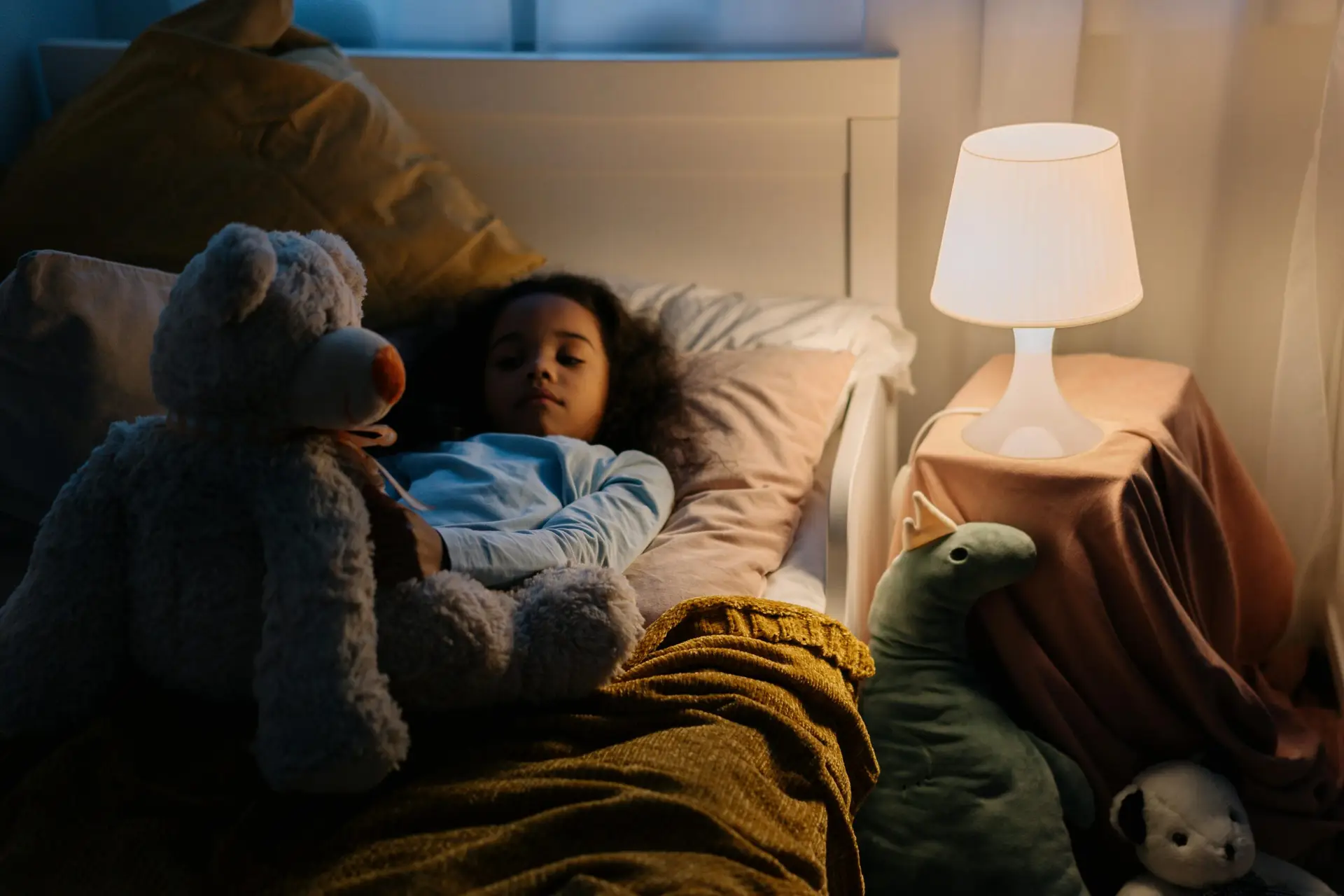
Changes in a child’s sleep can sometimes be associated with stress.
You may notice that your child:
- Has difficulty settling at bedtime
- Wakes during the night
- Seems unusually tired in the morning
- Has difficulty getting through their usual morning routine
If these changes are new or continue for some time, it can be worth looking at what else may be happening in your child’s life.
Has the school routine changed? Are there new academic or social pressures? Has bedtime become irregular? Is your child getting enough opportunity to wind down before sleep?
At the same time, sleep difficulties can have many causes. They do not, by themselves, tell us that a child’s cortisol level is high.
If sleep problems persist or significantly affect your child’s daytime functioning, discuss them with your child’s pediatrician or another qualified healthcare professional..
Changes in Eating Habits
Stress can sometimes affect a child’s appetite or eating habits. You may notice that your child suddenly eats more or less than usual, becomes unusually selective, or shows a noticeable change in their usual eating patterns.
For some children, stressful periods may be accompanied by a stronger preference for highly palatable foods such as sweets or processed snacks. However, a preference for these foods does not mean that a child has high cortisol or is necessarily stressed.
Changes in eating can have many possible explanations, including hunger, routine changes, growth, emotions, food preferences, or simply what foods are available at home.
Instead of labeling a food as “bad,” try to keep family meals balanced and relaxed, while paying attention to any significant or persistent changes in your child’s eating habits.

Frequent Physical Complaints or Feeling Unwell
When children are under stress, they may sometimes complain of physical symptoms such as headaches, stomach aches, feeling tired, or simply not feeling well.
You may notice that your child seems less energetic than usual or finds everyday activities more difficult.
However, frequent illness or tiredness does not automatically mean that a child is stressed or has high cortisol. Children can become unwell for many different reasons, including infections, sleep difficulties, nutrition, allergies, or other health conditions.
If your child is frequently unwell, unusually tired, or regularly complains of physical symptoms, it’s important not to assume that stress is the cause. A pediatrician or other qualified healthcare professional can help identify what may be contributing to the problem.
Sometimes, the most helpful thing a parent can do is simply notice the change and take it seriously.

Changes in Concentration
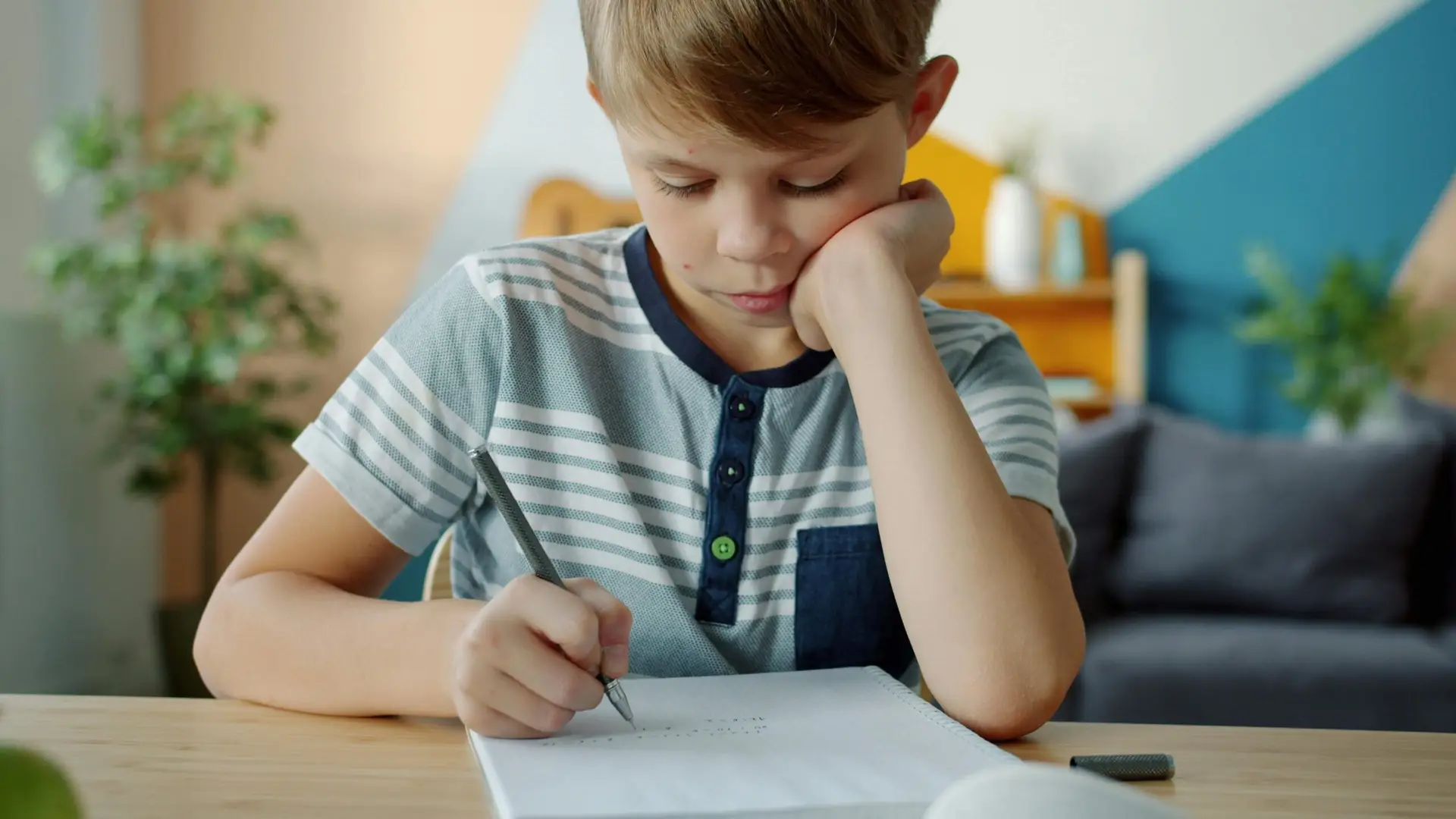
You may notice that your child is having more difficulty than usual focusing on homework, following instructions, or completing everyday tasks.
Perhaps you need to repeat instructions several times. They may forget what they were asked to do or move from one activity to another without finishing.
Stress can sometimes affect a child’s ability to concentrate, particularly when their mind is occupied by worries or they are feeling overwhelmed.
But concentration difficulties can have many possible causes, including tiredness, distractions, learning difficulties, changes in routine, emotional concerns, or other developmental or health factors.
So rather than assuming that poor concentration means high cortisol, look for patterns and changes from your child’s usual behaviour.
If concentration difficulties are persistent or interfere with school, home life, or relationships, consider discussing your concerns with your child’s teacher, pediatrician, or another qualified professional.
Emotional Outbursts
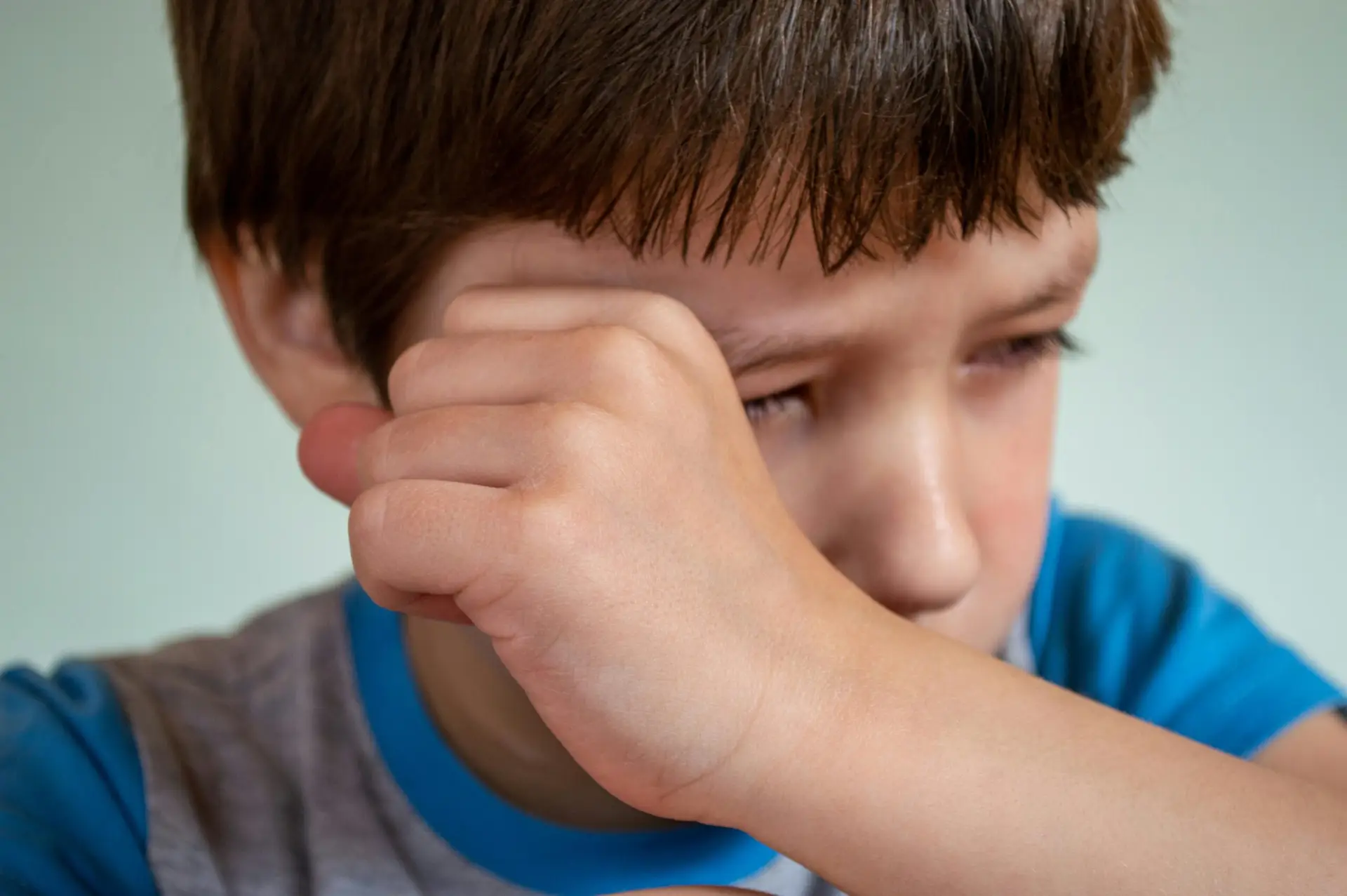
Another possible sign that a child is feeling overwhelmed is a noticeable increase in emotional outbursts.
You may see more:
- Crying
- Anger
- Frustration
- Meltdowns
- Difficulty calming down after becoming upset
Sometimes a child who is carrying worries or feeling overwhelmed may have less emotional energy available to manage everyday frustrations.
But emotional outbursts are not proof of stress or high cortisol. Children can have strong emotional reactions for many reasons, including tiredness, hunger, frustration, developmental changes, difficult situations, or problems they may not yet know how to explain.
Instead of asking only, “Why is my child behaving like this?”, try asking:
“What might my child be experiencing right now?”
That small shift can help us respond with curiosity and support rather than immediately reaching for punishment.
If emotional outbursts are unusually frequent, intense, or interfere with your child’s everyday life, consider discussing your concerns with a qualified professional.
Loss of Interest in Favourite Activities
Sometimes a child who is feeling stressed or overwhelmed may seem less interested in activities they usually enjoy.
You might notice that they:
- Stop asking to play their favourite games
- Spend less time with hobbies they normally enjoy
- Seem withdrawn or less enthusiastic
- Prefer to stay alone more than usual
A noticeable change in your child’s usual interests is worth paying attention to, particularly when it happens alongside other changes in mood, sleep, eating, or behaviour.
However, loss of interest does not automatically mean that your child is stressed or has high cortisol. Children can temporarily lose interest for many reasons, including tiredness, changing interests, friendship difficulties, low mood, illness, or other experiences.
If the change is persistent, significant, or accompanied by other concerning changes, speak with your child’s pediatrician or another qualified professional.
Sometimes, simply noticing the change and gently asking, “How have things been feeling for you lately?”, can open the door to a helpful conversation.

What May Be Contributing to a Child’s Stress?
IChildren can experience stress for many different reasons, and sometimes several small pressures can add up.
Depending on the child and their circumstances, these may include:
- Academic pressure or high expectations
- Overscheduled routines
- Too much screen time or difficulty switching away from screens
- Not enough opportunity for outdoor or unstructured play
- Changes in family routines
- Friendship or social difficulties
- Family conflict or other significant changes at home
- Not having enough time to rest and recharge
Modern childhood can be busy, and every child responds differently to the demands around them.
It isn’t necessarily one big thing that causes a child to feel overwhelmed. Sometimes it is the combination of several changes or pressures happening at the same time.
That’s why observing your child’s individual circumstances can be more helpful than looking for a single explanation.
How Can Parents Support a Child Who Is Feeling Stressed?
Here are practical, realistic solutions:
Create “Slow Moments”
Sometimes children simply need some unstructured time in their day.
Let your child:
- Relax
- Play freely
- Read
- Spend time outdoors
- Enjoy some quiet time
- Be bored occasionally
Children don’t need every part of the day filled with activities. A little breathing space can help make family routines feel less demanding.
Build a Daily Connection Ritual
Regular connection can help children feel heard and supported.
It could be:
- Talking
- Playing
- Reading together
- Walking
- Sharing a meal
- Listening to your child without immediately trying to solve the problem
You can also read my article on the 10-Minute Connection Rule in Parenting for more ideas.
There is no magic number of minutes required. What matters is creating genuine opportunities for connection..
Teach Simple Ways to Wind Down
Depending on the child’s age and preferences, you might introduce simple calming activities such as:
- Slow breathing
- Gentle stretching
- Quiet reading
- Relaxing music
- A peaceful bedtime routine
- Age-appropriate mindfulness activities
If your child enjoys yoga, you can also explore my article on 5 Simple Yoga Poses for Parents and Kids.
These activities aren’t a treatment for high cortisol. They are simply practical ways of creating moments of calm and helping children develop healthy ways to manage everyday stress.
Make Time for Outdoor Play and Movement
Whenever practical, give children opportunities to move, play, explore, and spend time outdoors.
For younger children especially, active play can be a natural part of the day.
Rather than treating outdoor play as another task to complete, let it become an enjoyable part of family life—a walk, a game, cycling, playing in the garden, or simply exploring together.
Review Screen-Time Habits Gently
If screens are taking up a large part of your child’s free time, look for realistic opportunities to introduce other activities.
You could offer:
- Creative play
- Reading
- Outdoor activities
- Board games
- Family conversations
- Shared hobbies
The goal isn’t to make screens the enemy. It’s to create a healthy balance that works for your family.
You can also read my article on Screen Time Alternatives for Kids for more ideas.
Food, Nutrition, and a Calm Family Routine
Food is an important part of a child’s overall health and wellbeing. A balanced eating pattern can provide the energy and nutrients children need for growth, learning, and everyday activity.
However, there isn’t a specific food or recipe that can be presented as a treatment for stress or high cortisol.
Instead of focusing on “cortisol-lowering foods,” aim for varied, balanced meals and snacks that suit your child’s age, preferences, and dietary needs.
Some simple ideas include:
Banana and Oat Smoothie
A simple smoothie can be one way to include fruit and oats in a child’s diet.
Ingredients:
- 1 banana
- 2 tablespoons oats
- 1 cup milk or a suitable alternative
Blend and serve fresh.
If you’re preparing food for a young child, choose ingredients and textures that are appropriate for their age and eating abilities.

Warm Milk as Part of a Bedtime Routine
Why it works:
Warm milk + turmeric promotes relaxation
Ingredients:
- 1 cup warm milk
- A pinch of turmeric
- A pinch of cinnamon

A Simple Nut-and-Fruit Snack
Why it works:
For children who can safely eat nuts, a small serving of nuts alongside fruit can be one option for a balanced snack.
For younger children, whole nuts can present a choking risk, so use age-appropriate forms and follow your child’s healthcare professional’s advice when necessary.
The bigger message is simple:
Don’t look for one “stress-relief food.” Build healthy eating habits over time.

Affiliate Disclaimer
If you’re looking for simple tools to encourage emotional expression and quiet time, these types of resources may be useful. Choose according to your child’s age and interests.
Some of the links on this website are affiliate links. This means that, at no additional cost to you, I may earn a small commission if you click through and make a purchase.
As an Early Childhood Education expert and parenting educator, I only recommend products and resources that I genuinely believe will add value to parents and support children’s growth and well-being.
Please note that all opinions expressed on this site are my own, and I encourage you to do your own research before making any purchase decisions.
Your support through these links helps me continue creating helpful, research-based parenting content for you. Thank you for being here.
- Helps children express emotions
- Encourages self-awareness
👉 Search on Amazon: “Kids mindfulness journal”
2. Emotion Flashcards for Kids
- Helps identify and manage feelings
- Great for younger children
3. Brain Development Activity Kits
- Reduces screen time
- Encourage
Cortisol Kids – A Simple Example Every Parent Will Relate To
An Example: Two Different After-School Routines
Imagine two children coming home from school.
Child A
- Goes to tuition
- Then has homework
- Spends some time on a screen
- Has a late bedtime
Child B
- Has some time for outdoor play
- Talks or spends time with family
- Has a relaxed meal
- Follows a reasonably consistent bedtime
These two routines are simply an example of how different a child’s day can look.
If Child A begins to seem tired, irritable, or distracted, it would be worth looking at the whole routine rather than assuming that cortisol is the cause.
Perhaps the child needs more rest, less pressure, more unstructured time, or simply a conversation about how the day is going.
And Child B may also have difficult days—because no routine guarantees that a child will always be calm or happy.
The important lesson is:
Look at the whole child, not just one behaviour.
A child’s sleep, school experience, relationships, routines, temperament, health, and emotional experiences can all play a role in how they feel and behave.
Frequently Asked Questions
Can children experience a stress response?
Yes. Children can experience stress, and their bodies have physiological responses to stressful situations. Cortisol is one of the hormones involved in the body’s stress response.
However, everyday behaviour does not tell us a child’s cortisol level. If you have concerns about your child’s stress or wellbeing, a qualified healthcare professional can help you explore the possible causes.
Is stress always bad for children?
No. Some short-term stress is a normal part of life and can help children respond to challenges.
The concern is ongoing or overwhelming stress, particularly when a child does not have enough support, rest, or opportunities to recover.
Can parents know whether their child’s cortisol is high from their behaviour?
No. Behavioural changes such as irritability, sleep difficulties, changes in appetite, or trouble concentrating can have many possible causes.
They should not be used on their own to determine whether a child’s cortisol level is high.
Can food or a particular routine lower a child’s cortisol?
There isn’t one food, recipe, or routine that parents should use as a guaranteed way to lower a child’s cortisol.
Instead, focus on the basics: balanced nutrition, adequate sleep, regular age-appropriate physical activity, supportive relationships, and manageable routines.
What is one helpful thing parents can do when a child seems stressed?
Pause and connect.
Listen to your child, notice changes in their routine or behaviour, and create opportunities for rest and connection.
If the changes are persistent, severe, or interfering with everyday life, speak with your child’s pediatrician or another qualified professional.
Final Thoughts
Sometimes, children don’t need:
❌ More discipline
❌ More correction
❌ A perfectly scheduled day
Sometimes they need:
✔️ Understanding
✔️ Opportunities to rest and play
✔️ Predictable routines
✔️ Emotional connection
✔️ A safe space to talk about what they’re experiencing
A change in behaviour doesn’t automatically mean that a child is stressed, and it certainly cannot tell us their cortisol level.
But when we notice a change, we can pause before we react.
We can ask:
“What might my child be trying to tell me?”
That simple question can open the door to greater understanding and connection.
If your child’s changes in mood, sleep, eating, concentration, or behaviour are persistent or concerning, don’t try to diagnose the cause yourself. Talk to your child’s pediatrician or another qualified professional.
One-Line Takeaway
“A calm child is not created by control—but supported through connection, understanding, and a healthy environment.”
Happy parenting! ❤️