

Introduction
Looking for screen time alternatives for kids? Children need opportunities to play, explore, create, move, and connect with the people around them. While screens can be part of family life, offering enjoyable offline activities helps children discover interests beyond digital entertainment.Screens are now a regular part of many children’s lives, and many parents look for ways to create a healthy balance between screen-based activities and offline play. Finding engaging activities that capture a child’s imagination can sometimes feel challenging—but it doesn’t have to be.
If you’re a parent, you’ve probably wondered, “Is my child spending too much time on screens?” Digital devices can be useful for learning, communication, and entertainment, but children also benefit from opportunities to play, create, move, explore, and spend time with others.
In this guide, we’ll explore 15 creative screen-time alternatives for kids, from simple sensory play and nature activities to family projects and ideas for older children. The goal isn’t to eliminate screens completely, but to give children plenty of interesting things to do when they are ready to put the device down.
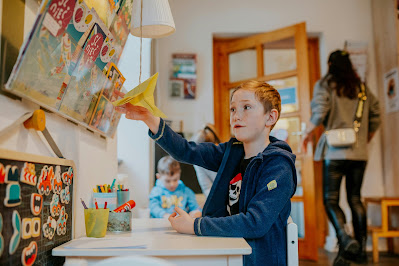
screen time alternatives for kids – Why Offline Play Matters –
Children benefit from a mix of screen-based and offline experiences. When children have regular opportunities for hands-on play, movement, creativity, and interaction with family and friends, they can explore their interests in different ways. Screen-free activities can also provide opportunities to practise problem-solving, communication, and imagination.
Creativity and Imagination

Motor Skills Development
Hands-on activities can give children opportunities to practise both fine and gross motor skills. Activities such as stacking blocks, threading beads, playing with playdough, jumping, climbing, or riding a bike involve different kinds of movement and coordination. Choosing activities that match a child’s age and abilities can make active play enjoyable and meaningful.
Family Bonding and Connection
Shared offline experiences can give families opportunities to connect and communicate. Simple activities such as cooking together, playing board games, going for a walk, or creating stories as a family can encourage conversation and cooperation. These everyday moments can become meaningful opportunities for children to feel heard, valued, and connected.

15 Engaging Screen-Time Alternatives for Kids
Children need opportunities to play, explore, create, move, and connect with the people around them. While screens can be part of family life, offering enjoyable offline activities can help children discover interests beyond digital entertainment.
The key is to choose activities that suit your child’s age, interests, and abilities. You don’t need expensive toys or elaborate plans—everyday household items can inspire wonderful moments of learning and fun.
For Toddlers (Ages 1–4)
1. Sensory Bin Exploration
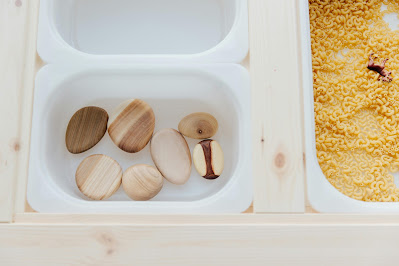
Fill a shallow container with age-appropriate sensory materials and let your child explore different textures. You can use large fabric pieces, sponges, or other safe household objects. Always supervise closely, and avoid small items such as dry beans, rice, or beads that young children could put in their mouths.
2. Nature Scavenger Hunt
Take a gentle walk outdoors and invite your toddler to notice leaves, flowers, rocks, and birds. Younger children can point to objects while adults name them. Encourage observation without picking plants or disturbing wildlife.

3. Mess-Free Painting
Place a few drops of child-safe, washable paint inside a securely sealed zip-lock bag. Tape the bag firmly to a table and let your toddler press and move the colours around from the outside. Keep the bag out of reach when the activity ends, and supervise throughout.
4. DIY Cardboard Playhouse
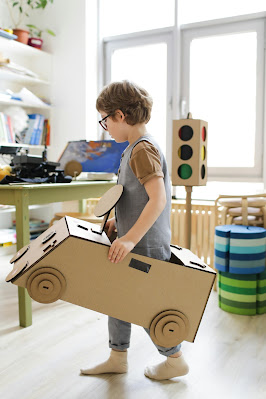
Turn a large, clean cardboard box into a little house, shop, or pretend bus. Let your child decorate it with chunky crayons or large stickers suitable for their age. An adult should handle any cutting and remove staples or sharp edges.

5. Musical Orchestra
Use safe household objects, such as plastic containers and wooden spoons, to make simple rhythms together. Sing familiar songs, clap to the beat, and dance. Keep the sound comfortable and avoid objects that are sharp, breakable, or small enough to swallow.

For School-Aged Kids (Ages 5–10)
6. DIY Science Experiments
Make learning exciting with simple experiments. Try a baking soda and vinegar volcano in a tray and watch the bubbles form. Let your child predict what might happen and describe what they observe. An adult should supervise the activity and handle any materials that need extra care.

7. Cooking Challenges
Invite children to prepare simple snacks, assemble sandwiches, or decorate cupcakes with different toppings. Cooking encourages creativity, following instructions, measuring, and independence. An adult should supervise the use of knives, hot surfaces, and kitchen appliances.

. Backyard Obstacle Course
Create a playful obstacle course using cones, cushions, hoops, or other safe objects. Children can step over cushions, walk around markers, or practise balancing along a line. Adjust the challenge to your child’s abilities and keep the area clear of hazards.

9. Story Cubes Game
Use picture dice, homemade picture cards, or drawings to create a story together. Each player adds a sentence based on the picture they choose. This activity encourages imagination, language development, and creative thinking.

10. Paper Airplane Challenge
Fold paper airplanes together and test how they fly. Try changing the folds and compare the results. Encourage children to make predictions and explore what happens, rather than focusing only on which plane travels the farthest.
For Tweens & Teens (Ages 11–16)
Older children and teenagers often enjoy activities that give them independence, creativity, and opportunities to connect with friends. Let them help choose the activities so they feel involved rather than as though screen time is simply being taken away.
11. DIY Escape Room Challenge
Create a mini escape room at home using riddles, written clues, number puzzles, or a treasure hunt. Ask your tween or teen to design the challenge for family members or friends. Keep the clues age-appropriate and make sure the play area remains safe.
2. Upcycling Art Projects
Turn clean, reusable materials such as cardboard boxes, jars, fabric scraps, or paper tubes into something useful or decorative. Children can create desk organisers, planters, gift boxes, or artwork while exploring the value of reusing materials and reducing waste. Adults should handle sharp tools when needed.
13. Book Club with Friends
Invite your child to choose a book and discuss it with friends or family. They can share favourite characters, debate decisions in the story, or recommend books to one another. A relaxed discussion over snacks can make reading a social activity rather than a school assignment.
14. Learn a New Skill
Encourage your child to explore a skill that interests them, such as origami, knitting, drawing, playing a musical instrument, photography, or learning a new language. The goal is to enjoy the process and practise regularly—not to master everything immediately.
15. Volunteer for a Cause
Look for age-appropriate opportunities to help others, such as a supervised community clean-up, a neighbourhood donation drive, or an organised animal-welfare activity. Volunteering can encourage empathy, cooperation, and a sense of responsibility. Check the organisation’s age requirements and involve a trusted adult where necessary.
How to Help Kids Transition Away from Screens
Set a Routine
Create predictable screen-free periods during the day and offer interesting alternatives such as outdoor play, reading, crafts, or family activities.
Be a Role Model
Children often notice what adults do. Making time for your own offline activities can help demonstrate that screens are just one part of everyday life.
These screen time alternatives for kids can make it easier for families to build a healthy balance between digital entertainment and offline play.
Create a Screen-Free Calendar
Plan occasional screen-free periods as a family and let children help choose some of the activities they would like to try.
📌 Download our FREE printable ‘Screen-Free Week’ planner below.
Final Thoughts
Screens aren’t necessarily the enemy, but a healthy balance between digital activities and offline experiences can give children more opportunities to create, explore, move, imagine, and connect with others.
You don’t need to introduce all 15 activities at once. Start with one that suits your child’s age and interests, and see where their curiosity takes them. Simple moments—building with a cardboard box, inventing a story, or spending time outdoors—can become meaningful shared experiences.
Which activity would your child enjoy trying first? Share your ideas in the comments!
You may also enjoy: