
Introduction
Eco-conscious kids are not born; they develop an understanding of the environment through everyday experiences, positive role modelling and small, meaningful habits at home and school.
In a world facing climate change, pollution and increasing waste, teaching children to care for the planet has become more important than ever. But environmental responsibility does not have to begin with complicated lessons or serious discussions. It can start with something as simple as turning off a tap, planting a seed, reusing a cardboard box or choosing to keep a park clean.
As an educator and parent, I believe that children learn best when they experience values rather than simply hear about them. When we involve children in everyday sustainable practices, we help them understand that their actions matter.
So, how can we raise eco-conscious kids without making sustainability feel like another lesson? Let’s explore simple parenting strategies, enjoyable activities and practical ways to help children develop respect for nature and responsibility towards our planet.
How to Teach Sustainability to Children at Different Ages
Children understand environmental responsibility differently as they grow. The activities we introduce should match their developmental stage, interests and ability to participate.
Toddlers (1–3 Years)
At this age, children learn mainly through imitation, sensory exploration and repetition.
- Encourage them to put paper and other safe recyclable materials into separate collection baskets with adult guidance.
- Let them help water plants using a small watering can.
- Introduce simple habits such as switching off lights together.
- Explore nature by observing leaves, birds, flowers and insects.
Educator’s tip: Use simple phrases such as “Let’s save water” or “Plants need water to grow.” Repetition and demonstration are more effective than lengthy explanations.
Nursery and Preschool Children (3–5 Years)
Preschoolers enjoy hands-on activities and begin understanding simple cause-and-effect relationships.
- Create a small gardening corner where children can plant seeds.
- Use picture labels to identify paper, plastic and other locally accepted recyclable materials.
- Encourage art projects using clean, reusable materials.
- Read picture books about animals, forests and caring for nature.
Educator’s tip: Introduce a weekly Nature Helper role. Children can help water plants, tidy the outdoor play area or check that taps are turned off with adult supervision.
Primary School Children (6–10 Years)
Children at this stage can understand more complex ideas and take greater responsibility for everyday environmental habits.
- Start a simple food-waste observation chart at home.
- Discuss why saving electricity and water matters.
- Encourage composting with appropriate adult supervision.
- Organise a family waste-reduction challenge.
- Explore local environmental issues and discuss possible solutions.
Educator’s tip: Encourage children to suggest their own solutions. When they participate in decision-making, sustainability becomes a meaningful responsibility rather than just another instruction.
Remember, the objective is not to make children responsible for solving environmental problems. It is to help them develop awareness, empathy and practical habits that grow with them.
Why Is It Important to Teach Children About Sustainability?
Children are naturally curious. They enjoy exploring, observing plants and animals, asking questions and discovering how things work. These everyday experiences provide wonderful opportunities to introduce sustainability.
When children learn to care for their surroundings from an early age, they gradually develop habits that encourage respect for nature, thoughtful consumption and environmental responsibility.
Here are three important reasons why sustainability education matters:
7 Simple Sustainability Activities for Kids
Children learn environmental responsibility best when they can see, touch and participate. Here are seven enjoyable activities that parents and teachers can introduce at home or in the classroom.
Reduce, Reuse and Recycle
Introduce children to the three simple principles of waste management: reduce, reuse and recycle.
- Encourage children to use both sides of paper when drawing.
- Reuse cardboard boxes for craft activities.
- Set up clearly labelled recycling containers with adult guidance.
- Explain why avoiding unnecessary packaging helps reduce waste.
Start a Little Garden
Gardening is a wonderful way to introduce children to nature and responsibility.
- Let children plant easy-to-grow seeds.
- Encourage them to water plants regularly.
- Observe changes in the plants over several days.
- Discuss what plants need to grow.
This activity develops observation skills, patience and an appreciation for living things.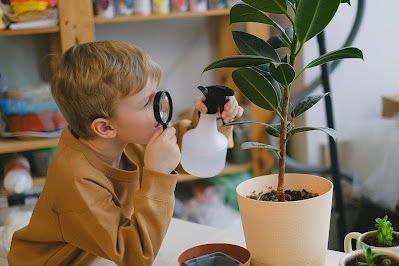
Explore Nature Through Scavenger Hunts
Take children to a garden or park and encourage them to observe their surroundings.
Create a simple checklist:
- Find a fallen leaf.
- Observe a bird.
- Look for different shapes of leaves.
- Notice the colours of flowers.
- Find evidence of insects without disturbing them.
Remind children not to pluck flowers, damage plants or disturb wildlife.
Introduce Composting
Composting helps children understand how some organic waste can return to the soil.
With adult supervision, collect suitable fruit and vegetable scraps and introduce children to a simple composting system. Let them observe how the materials gradually change and how finished compost can support plant growth.
Create Upcycled Art
Before throwing away clean cardboard, paper rolls or empty containers, think about whether they can be reused creatively.
Children can make:
- Cardboard castles.
- Pencil holders.
- Paper collages.
- Simple toy houses.
- Decorative planters.
Avoid sharp edges, small choking hazards and containers that previously held chemicals.
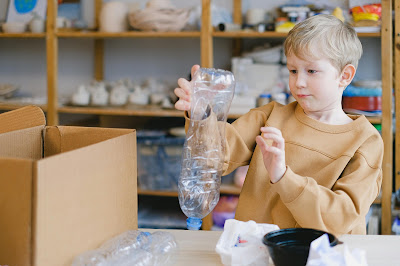
Go on Family Nature Walks
Spend time outdoors observing trees, birds, plants and insects.
Encourage children to ask questions and describe what they notice. These experiences help develop curiosity, observation and respect for the natural world.
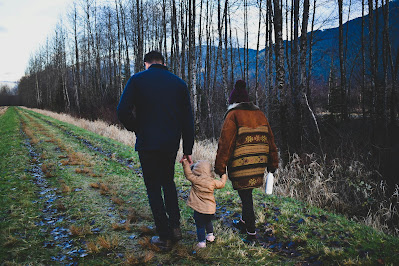
Learn Through Stories and Books
Choose age-appropriate picture books and stories about forests, animals, water conservation and protecting nature.
After reading, ask children simple questions such as:
- What did the character do to help nature?
- How can we care for plants and animals?
- What small change can we make at home?
Stories help children connect environmental values with everyday life.

Everyday Family Habits That Teach Environmental Responsibility
Children learn a great deal by watching what adults do. When parents practise environmentally responsible habits consistently, children gradually begin to follow them.
Here are five simple habits families can develop together.
Reduce Food Waste
Involve children in simple meal-planning activities.
- Encourage them to take only as much food as they can comfortably eat.
- Store leftovers safely and use them appropriately.
- Explain why wasting food also wastes the resources used to produce it.
- Introduce composting for suitable fruit and vegetable scraps.

Save Water Every Day
Help children understand that clean water is a valuable resource.
- Turn off taps while brushing teeth.
- Use only the water needed for daily activities.
- Water plants thoughtfully.
- Explain why leaking taps should be reported to an adult.

Conserve Electricity
Make saving energy a family habit.
- Switch off lights when leaving a room.
- Turn off unused appliances.
- Make use of natural daylight whenever possible.
- Discuss why conserving electricity matters.
Choose Reusable Items
Introduce reusable alternatives wherever practical.
- Carry reusable shopping bags.
- Use refillable water bottles.
- Choose lunch containers that can be used repeatedly.
- Avoid unnecessary single-use products.
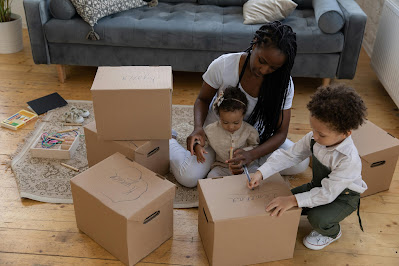
Share, Repair and Donate
Teach children that not everything needs to be replaced with something new.
- Donate toys and clothes that are still in good condition.
- Repair simple damaged items with adult help.
- Exchange books and toys with friends or family.
- Encourage thoughtful choices before buying something new.
A little family challenge: Choose one sustainable habit each week and practise it together. Celebrate children’s efforts and explain how small actions can make a positive difference.
Helping Children Become Responsible Members of Their Community
Environmental responsibility should extend beyond our homes. Children can gradually understand that caring for the environment is a shared responsibility involving families, schools and communities.
Here are some meaningful ways to involve them.
Participate in Community Clean-Up Activities
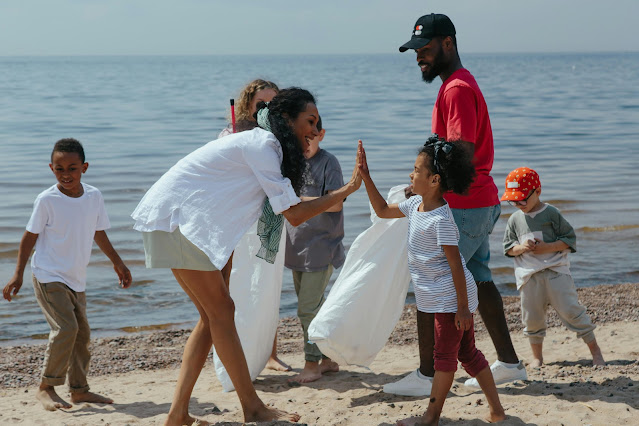
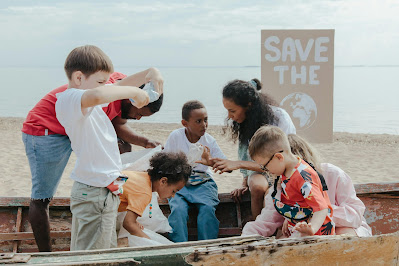
Encourage children to participate in age-appropriate community cleanliness initiatives with adult supervision.
- Help keep neighbourhood parks clean.
- Learn to dispose of waste in designated bins.
- Discuss why littering affects animals and the environment.
- Participate in organised clean-up activities where suitable safety arrangements are provided.

Celebrate Tree-Planting Activities
Planting a tree can become a memorable learning experience.
- Participate in local tree-planting programmes.
- Choose suitable plants for the local climate.
- Help water and care for planted saplings.
- Explain how trees provide shade and support wildlife.
Encourage Environmental Projects at School
Schools offer wonderful opportunities to develop environmental awareness.
Teachers can introduce:
- Classroom recycling corners.
- Gardening activities.
- Nature observation projects.
- Water conservation campaigns.
- Poster-making activities on environmental protection.
When children work together, they learn cooperation, responsibility and respect for their surroundings.
Celebrate Environment-Related Days
Use occasions such as World Environment Day and Earth Day to organise meaningful activities.
Instead of limiting celebrations to speeches and posters, encourage children to participate in planting, nature walks, recycling activities and discussions about protecting the planet.
- Teaching kids to turn off lights and electronic devices when not in use.
- Using fun methods like playing songs to time shorter showers.
- Investingin energy-efficient appliances to reduce environmental impact.
- Demonstratingwater-saving habits, such as turning off the tap while brushing teeth.
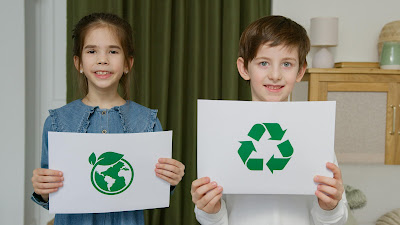
Choosing Sustainable Toys and Books for Children
Teaching sustainability also includes helping children understand thoughtful consumption. Toys, books and everyday products can become opportunities to discuss reuse, durability and responsible choices.
Choose Durable and Reusable Toys
When selecting toys, consider their quality, safety and longevity.
- Choose well-made toys that can be enjoyed for years.
- Consider wooden toys from responsible sources.
- Explore second-hand toys that are clean and in good condition.
- Encourage children to share or exchange toys they no longer use.
Remember that a toy does not need to be labelled eco-friendly to be a thoughtful choice. Durability, safety and the possibility of reuse matter too.
Introduce Books About Nature and Sustainability
Stories can help children understand environmental responsibility in an enjoyable way.
Some books worth exploring include:
- The Lorax by Dr. Seuss: A story that introduces children to the importance of protecting trees and natural resources.
- Compost Stew by Mary McKenna Siddals: An engaging introduction to composting and organic waste.
After reading, discuss the characters, their choices and how children can apply similar lessons in everyday life.
Encourage Thoughtful Buying Habits
Before purchasing a new toy or product, encourage children to think about whether they really need it.
This helps develop patience, appreciation for belongings and an understanding that responsible choices can reduce unnecessary waste.
An Educator’s Perspective: Let Children Learn Through Everyday Actions
In my experience as an educator, children understand values more deeply when they get opportunities to practise them.
A child who waters a plant regularly begins to understand that living things need care. A child who reuses a cardboard box for an art project discovers that something considered waste can have another purpose.
These small experiences can gradually develop observation, problem-solving, cooperation and a sense of responsibility.
Parents and teachers do not need to organise elaborate environmental lessons every day. Simple, consistent opportunities are often enough to start meaningful conversations.
Most importantly, avoid making children feel guilty about environmental problems. Help them feel capable of making thoughtful choices, and celebrate their efforts along the way.
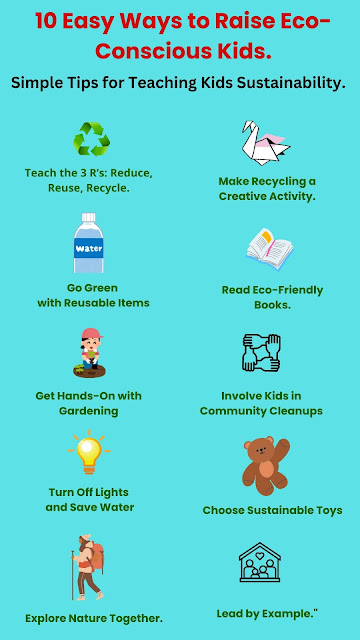
10 Easy Ways to Raise Eco-Conscious Kids - Simple Tips for Teaching Kids Sustainability
Frequently Asked Questions About Teaching Kids Sustainability
At what age should children start learning about sustainability?
Children can begin learning simple environmental habits during toddlerhood. Activities such as watering plants, switching off lights with adult guidance and observing nature introduce environmental responsibility through everyday experiences.
How can parents teach sustainability at home?
Parents can start with simple habits such as reducing food waste, saving water, reusing materials, growing plants and choosing reusable products. Consistency and parental role modelling are important.
What are some fun sustainability activities for kids?
Gardening, nature scavenger hunts, composting, upcycled art, recycling projects and nature walks are enjoyable ways to introduce children to environmental awareness.
How can schools encourage environmental responsibility?
Schools can introduce gardening clubs, recycling corners, nature projects, environmental awareness campaigns and classroom activities that encourage children to care for their surroundings.
Why is environmental education important for children?
Environmental education helps children develop respect for nature, understand the importance of natural resources and practise responsible habits that can benefit their communities.
Conclusion: Raising Eco-Conscious Kids Starts at Home
Raising eco-conscious kids is not about expecting children to change the world overnight. It is about helping them develop small, thoughtful habits that gradually become part of everyday life.
Whether it is saving water, caring for plants, reducing waste, reusing old materials or appreciating nature, every experience offers an opportunity to teach environmental responsibility.
As parents and educators, our role is to guide children through our actions, encourage their curiosity and give them opportunities to make responsible choices.
Remember, children learn more from what they see us practise than from what we simply tell them.
Let’s raise a generation that not only enjoys the beauty of nature but also understands the importance of protecting it.
Start small, lead by example and let sustainability become a natural part of family life.
If you enjoyed this article, explore more parenting resources on
Happy parenting