
Introduction
Have you noticed how children can finish a meal and ask for something to eat again just when you have settled down? As parents, we often find ourselves wondering what to offer next, especially when children are selective about food or quickly lose interest in familiar snacks.
In my years as an early-childhood educator, I’ve observed that children’s relationship with food develops through everyday experiences. A colourful plate, an opportunity to wash a fruit, helping to mix ingredients or choosing between two healthy options can make snack time more enjoyable. Children are often more willing to explore unfamiliar foods when they are given time, encouragement and a little involvement in the process.
Healthy snacking doesn’t need elaborate recipes or expensive ingredients. What matters is offering a variety of nourishing foods in child-friendly ways and creating relaxed, positive experiences around eating.
In this article, I’ve brought together 15 healthy snack ideas for kids that parents can prepare without spending hours in the kitchen. From fruity treats and homemade bites to vegetable snacks and lunchbox favourites, these ideas are practical, adaptable and suitable for busy family routines.
My aim is simple: to help parents make snack time nutritious, enjoyable and an opportunity for children to develop curiosity, confidence and healthy food habits.
Affiliate Disclosure: This article contains affiliate links. If you purchase through these links, I may earn a small commission at no additional cost to you.
As an Amazon Associate I earn from qualifying purchases.
Why Smart Snacking Matters for Children’s Growth and Development
Children are constantly learning, playing, exploring and growing. Their nutritional needs change as they move through different stages of development, and snacks can be a useful part of meeting those needs between meals.
As an early-childhood educator, I believe snack time is about more than simply satisfying hunger. It can also be an opportunity to introduce different tastes and textures, encourage independence and help children develop a positive relationship with food.
A thoughtfully planned snack can contribute to:
-
Growth and development: Fruits, vegetables, whole grains, dairy products and other nourishing foods provide nutrients that support growing bodies.
-
Steady energy: Balanced snacks can help children stay comfortably satisfied between meals.
-
Learning and concentration: Regular meals and snacks, as part of an overall balanced diet, help meet children’s energy needs throughout the day.
-
Food exploration: Introducing different colours, flavours and textures encourages curiosity and familiarity with a variety of foods.
-
Growing independence: Simple tasks such as washing fruit, choosing a snack or helping to arrange a plate allow children to practise age-appropriate self-help skills.
A Small Educator’s Tip
Avoid turning snack time into a battle over how many bites a child must eat. Offer suitable choices, maintain predictable eating routines and allow children to listen to their hunger and fullness cues. A child may need several relaxed opportunities to become familiar with a new food.
Remember, healthy eating habits develop gradually through patience, consistency and positive experiences.

15 Healthy Snack Ideas for Kids – Easy Recipes for Busy Parents
One thing I’ve learnt through my experience with young children is that presentation and participation can make a difference. A simple fruit snack may become more interesting when children help arrange it, while a familiar vegetable may be easier to explore when served with a favourite dip.
The following 15 ideas combine everyday ingredients, simple preparation and a little creativity. You can adapt them according to your child’s age, preferences, dietary needs and family food traditions.
A note for parents: Always supervise young children while eating. Adapt food textures and serving sizes to their developmental stage. Cut round, firm foods appropriately, and avoid whole nuts and other choking hazards for young children. Check for allergies before introducing ingredients.
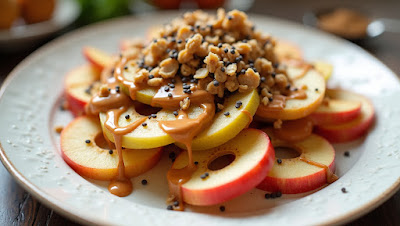
Apple Nachos – A Fun Way to Enjoy Fresh Fruit
Sometimes, children are more curious about food when it looks a little different. Apple nachos are a lovely example of how an ordinary fruit can become an interesting snack through simple presentation.
Ingredients:
-
1 apple, washed and thinly sliced
-
1 tablespoon smooth peanut butter (if suitable and allergy-safe)
-
1 tablespoon finely crushed granola
-
1 teaspoon chia seeds
Method:
-
Wash the apple thoroughly and remove the core.
-
Slice it into thin pieces.
-
Arrange the slices on a plate.
-
Drizzle with a little smooth peanut butter.
-
Sprinkle finely crushed granola and chia seeds on top.
Educator’s Tip: Invite older preschoolers to help arrange the apple slices or sprinkle the toppings. These little activities encourage participation, coordination and confidence.
Nutrition Note: Apples provide fibre, while peanut butter contributes protein and healthy fats.
Safety Note: For toddlers, serve apples in a developmentally appropriate texture and shape. Avoid hard, raw apple slices for children who cannot manage them safely. Use smooth nut butter in a thin layer, never as a thick spoonful. Check allergies first.
Banana Oat Cookies – A Simple Homemade Treat
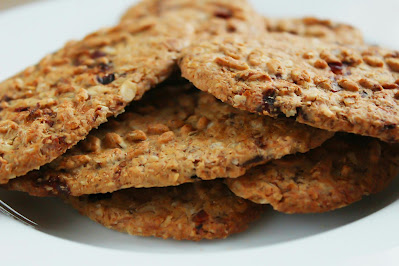
Have you ever noticed how children enjoy helping in the kitchen, especially when they can mash, mix and shape something themselves? These banana oat cookies are a wonderful way to introduce young children to simple food preparation.
Ingredients:
-
2 ripe bananas
-
1 cup rolled oats
-
2 tablespoons mini chocolate chips (optional)
Method:
-
Preheat the oven to 180°C.
-
Mash the ripe bananas in a mixing bowl.
-
Add the rolled oats and mix until combined.
-
Add chocolate chips if desired.
-
Place small spoonfuls of the mixture onto a lined baking tray and flatten gently.
-
Bake for approximately 15 minutes, or until the cookies are set and lightly golden.
-
Allow them to cool completely before serving.
Educator’s Tip: Let children help mash the bananas or mix the ingredients under adult supervision. These simple activities encourage sensory exploration, hand coordination and early mathematical thinking as children count and measure ingredients.
Nutrition Note: Bananas provide carbohydrates and potassium, while oats contribute fibre.
Safety Note: Adults should handle the oven and hot baking tray. Check that the cookies have a soft, manageable texture before serving to younger children.
A Helpful Baking Essential
If you enjoy preparing homemade snacks with your children, a reusable baking mat can make kitchen preparation easier and help keep your work surface tidy.
Check out this silicone baking mat on Amazon.
Fruit and Yogurt Parfait – A Colourful Snack for Little Food Explorers
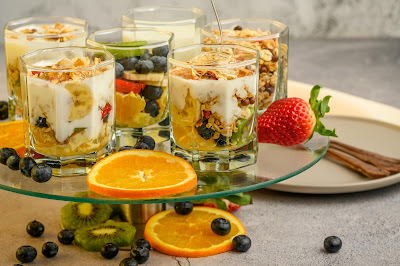
A bowl of colourful fruit can sometimes attract a child’s attention more easily than a plain serving. Fruit and yogurt parfait is simple to prepare and allows children to explore different colours, flavours and textures.
Ingredients:
-
½ cup plain, unsweetened yogurt
-
½ cup finely chopped seasonal fruits such as mango, banana or soft berries
-
1 tablespoon finely ground nuts, if allergy-safe (optional)
Method:
-
Spoon a layer of yogurt into a small bowl or cup.
-
Add a layer of prepared fruit.
-
Repeat the layers until the ingredients are used.
-
Sprinkle a little finely ground nut powder on top, if suitable.
-
Serve fresh.
Educator’s Tip: Invite children to identify the fruits by colour, name and texture. Older preschoolers can help arrange the fruit layers. This turns snack preparation into a simple language and observation activity.
Nutrition Note: Yogurt provides protein and calcium, while fruits contribute vitamins, minerals and fibre.
Safety Note: Use pasteurised yogurt and prepare fruit in age-appropriate pieces. Avoid whole nuts and hard toppings for young children. Check for dairy and nut allergies.
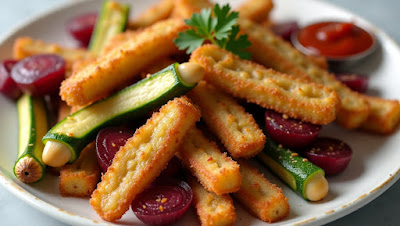
Air-Fried Veggie Sticks – Making Vegetables More Interesting
Getting children interested in vegetables can take patience. I’ve often observed that children are more willing to explore foods when they are presented in interesting ways without pressure to eat them.
These air-fried veggie sticks are a simple option for introducing vegetables as a snack.
Ingredients:
-
1 small zucchini or beetroot
-
1 teaspoon olive oil
-
A small pinch of mild seasoning
-
Homemade yogurt dip (optional)
Method:
-
Wash and peel the vegetables if needed.
-
Cut them into age-appropriate pieces.
-
Toss lightly with olive oil and mild seasoning.
-
Arrange in a single layer in the air fryer.
-
Cook at 200°C for approximately 10–12 minutes, checking until tender and cooked through.
-
Allow to cool before serving.
Educator’s Tip: Let children help wash the vegetables or choose which vegetable they would like to try. Avoid insisting that they finish everything on their plate. Familiarity often develops through repeated, positive experiences.
Nutrition Note: Zucchini and beetroot provide fibre and useful vitamins and minerals.
Safety Note: Make sure the vegetables are soft enough for your child’s developmental eating stage. Avoid serving hard or undercooked vegetable sticks to toddlers. Adults should handle the air fryer.
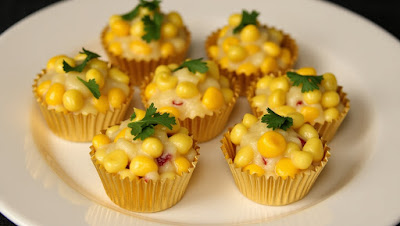
Mini Corn Chaat Cups – A Little Taste of Indian Flavours
Children enjoy exploring different tastes, and familiar foods can be a wonderful starting point. This mini corn chaat is easy to prepare and adds a little variety to everyday snack time.
Ingredients:
-
1 cup sweet corn kernels
-
1 teaspoon lemon juice
-
A small pinch of mild chaat masala (optional)
-
Finely chopped coriander (optional)
-
A few pomegranate seeds (optional)
Method:
-
Steam or boil the sweet corn until completely soft.
-
Allow it to cool to a comfortable serving temperature.
-
Add lemon juice and a small pinch of mild chaat masala.
-
Mix gently.
-
Add finely chopped coriander or pomegranate for extra colour.
-
Serve in a small bowl.
Educator’s Tip: Encourage children to notice the colour, smell and texture of the corn. You can also ask older preschoolers to help mix the ingredients or count spoonfuls. These small experiences build language and early mathematical skills.
Nutrition Note: Sweet corn provides carbohydrates, fibre and several vitamins and minerals.
Safety Note: Corn kernels can be a choking risk for young children. For toddlers, serve corn in a texture and form appropriate to their developmental eating skills. Avoid whole kernels if they cannot manage them safely. Keep seasoning mild and supervise children while eating.
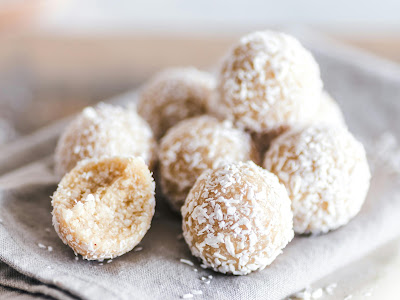
Nut-Free Energy Balls – Little Bites of Goodness
Busy mornings and after-school routines can leave parents looking for snacks that are easy to prepare ahead. These date and oat energy balls are a simple homemade option, using naturally sweet ingredients without added sugar.
Ingredients:
-
½ cup pitted dates
-
¼ cup sunflower seeds
-
¼ cup rolled oats
-
1 tablespoon unsweetened cocoa powder
-
1–2 teaspoons water, if needed
Method:
-
Check that all dates are completely pitted.
-
Place the dates, sunflower seeds, oats and cocoa powder in a food processor.
-
Blend until the mixture comes together into a soft dough.
-
Add a little water if the mixture feels too dry.
-
Shape into small, soft portions.
-
Refrigerate in an airtight container.
Educator’s Tip: Older preschoolers can help measure the oats, identify the ingredients and mix the prepared dough with a spoon. These activities encourage independence, observation and early mathematical skills.
Nutrition Note: Dates provide natural sweetness and fibre, while oats and sunflower seeds contribute additional nutrients.
Safety Note: Despite the name, these are not suitable for every child with a nut allergy unless all ingredients and preparation surfaces are confirmed safe from cross-contact. Whole seeds and firm, round energy balls can pose choking risks. For young children, avoid serving them in ball form and adapt the texture and ingredients to their developmental eating abilities.
Storage: Refrigerate in an airtight container and use within 3–4 days.
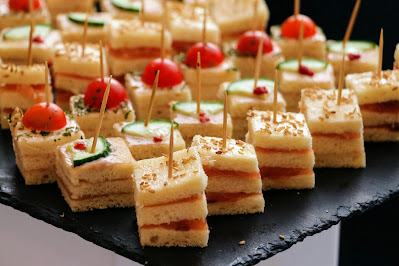
Mini Sandwich Bites – A Fun and Colourful Snack
Sometimes, a small change in presentation can make familiar foods more inviting. These mini sandwich bites combine bread, cheese and vegetables in an easy snack that can also be packed for school.
Ingredients:
-
2 slices whole-wheat bread
-
1–2 slices cheese
-
Thinly sliced cucumber
-
Finely chopped or thinly sliced tomato
-
A little plain yogurt spread (optional)
Method:
-
Cut the bread into small squares.
-
Cut the cheese into similarly sized pieces.
-
Add cucumber and tomato.
-
Layer the ingredients to make mini sandwich bites.
-
Serve on a plate with a mild yogurt dip, if desired.
Educator’s Tip: Let older preschoolers choose their sandwich fillings and help arrange them. Giving children two or three suitable choices encourages decision-making and independence.
Nutrition Note: Whole-wheat bread provides fibre, cheese contributes protein and calcium, and vegetables add vitamins and minerals.
Safety Note: For toddlers and younger children, serve these as soft sandwich pieces rather than using toothpicks or skewers. Remove seeds or tough parts where appropriate, and cut ingredients into manageable pieces. Always supervise children while eating.
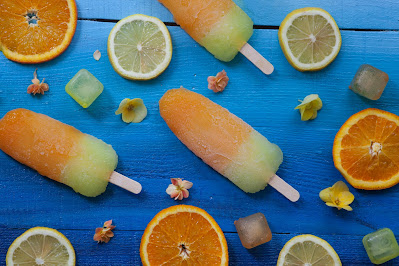
Frozen Fruit Pops – A Refreshing Homemade Treat
Children are often fascinated by how food changes when it is frozen. These fruit pops are easy to prepare and offer a fun way to include seasonal fruits in snack time.
Ingredients:
-
½ cup finely chopped soft fruits such as mango, watermelon or kiwi
-
½ cup water or unsweetened coconut water
-
A little plain yogurt (optional)
Method:
-
Wash, peel and prepare the fruits.
-
Cut them into small pieces or blend them into a smooth mixture.
-
Add water or coconut water and mix.
-
Pour into small popsicle moulds.
-
Freeze for approximately 4–6 hours, or until completely set.
-
Remove from the moulds and allow the pops to soften slightly before serving.
Educator’s Tip: Invite children to choose their favourite fruit combinations and name the colours they see. Older preschoolers can help pour the mixture into moulds with adult assistance. This encourages decision-making, language development and curiosity about how materials change.
Nutrition Note: Fresh fruit provides vitamins, minerals and fibre. Using whole fruit rather than sweetened fruit juice helps retain its natural fibre.
Safety Note: Avoid hard frozen fruit chunks and serve in an age-appropriate form. Supervise young children while eating, and make sure the pops are not too hard or large for them to manage comfortably. Adults should handle the freezer and moulds.
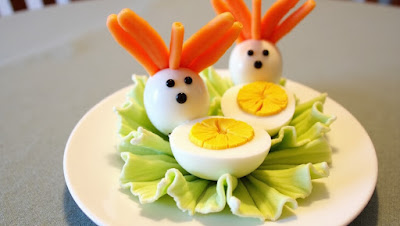
Boiled Egg and Carrot Bunny Box – Making Snack Time Playful
A familiar food can become more interesting when presented creatively. This little bunny-inspired snack combines boiled egg and carrot, making it a fun addition to a child’s snack plate.
Ingredients:
-
1 hard-boiled egg
-
A few soft, cooked carrot strips
-
A little finely chopped coriander (optional)
Method:
-
Boil the egg until fully cooked.
-
Cool, peel and cut it into suitable pieces.
-
Prepare carrot strips and cook until soft.
-
Arrange the egg and carrot creatively on a plate to make a simple bunny face.
-
Serve once everything has cooled.
Educator’s Tip: Invite children to describe what they see. Does the arrangement look like a bunny? What other shapes can they create with familiar foods? Such conversations encourage imagination, vocabulary and observation.
Nutrition Note: Eggs provide protein and several important nutrients, while carrots contribute beta-carotene, which the body converts into vitamin A.
Safety Note: Ensure the egg is fully cooked. For young children, cut the egg and carrot into age-appropriate pieces. Avoid raw, hard carrot sticks for toddlers who cannot manage them safely. Check for egg allergies.
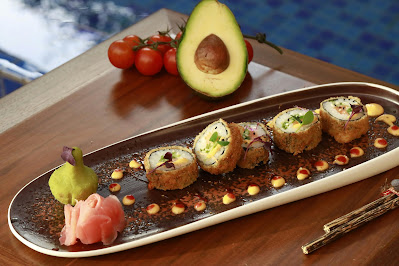
Fruit Sushi Rolls – A Creative Way to Enjoy Fruit
Introducing variety into children’s snacks doesn’t always require new ingredients. Sometimes, presenting familiar foods differently is enough to spark curiosity. These fruit sushi rolls are simple, colourful and fun to prepare together.
Ingredients:
-
1 soft whole-wheat tortilla
-
1 tablespoon plain cream cheese or a suitable seed-based spread
-
½ banana or a few thin slices of soft, peeled apple
Method:
-
Place the tortilla flat on a clean surface.
-
Spread a thin, even layer of cream cheese or suitable spread.
-
Arrange the prepared fruit in a line near one edge.
-
Roll the tortilla gently but firmly.
-
Cut into small, manageable portions.
-
Serve fresh.
Educator’s Tip: Encourage older preschoolers to help spread the filling and arrange the fruit. You can talk about shapes, patterns and the steps involved in making the roll. These simple experiences support fine-motor coordination, sequencing and language development.
Nutrition Note: Whole-wheat tortillas provide fibre, while fruit contributes vitamins and minerals. Cream cheese adds some protein and calcium.
Safety Note: Use soft fruit and cut the finished roll into age-appropriate pieces. Avoid firm apple pieces for toddlers who are not ready to manage them safely. Check dairy and other ingredient allergies.
Cheesy Herb Popcorn – A Crunchy Snack for Family Time
Popcorn can be an enjoyable homemade snack for older children. A little cheese and mild seasoning add flavour without needing complicated preparation.
Ingredients:
-
2 tablespoons popcorn kernels
-
1 teaspoon olive oil (if needed for popping)
-
1 tablespoon finely grated Parmesan cheese
-
A small pinch of dried oregano or Italian herbs
Method:
-
Prepare the popcorn using a suitable covered pot or popcorn maker, following the appliance instructions.
-
Allow it to cool slightly.
-
Check carefully and remove any unpopped kernels.
-
Sprinkle with finely grated Parmesan and dried herbs.
-
Toss gently and serve fresh.
Educator’s Tip: Ask older children to describe the popcorn. Is it crunchy? What sound does it make? How does it smell? These little conversations encourage sensory awareness and vocabulary.
Nutrition Note: Plain popcorn is a whole grain and provides fibre. Cheese adds flavour and some calcium and protein.
Safety Note: Popcorn is a significant choking hazard for young children. Do not serve it to toddlers or preschoolers who are not developmentally ready for it. This recipe is intended for older children who can safely manage popcorn. Adults should prepare the popcorn and check for unpopped kernels.
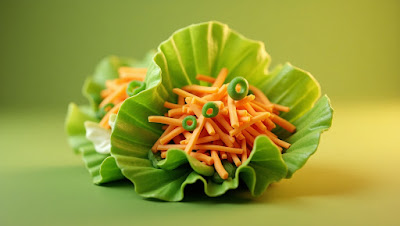
Mini Veggie Wraps – Little Wraps Packed with Goodness
Children don’t always need elaborate recipes to enjoy vegetables. Sometimes, offering familiar ingredients in a new combination makes snack time more interesting. These mini veggie wraps are simple, colourful and easy to adapt.
Ingredients:
-
2 soft lettuce leaves (or small whole-wheat tortillas)
-
2 tablespoons hummus
-
2 tablespoons finely grated carrot
-
1 tablespoon finely grated cheese (optional)
Method:
-
Wash the lettuce leaves thoroughly and pat them dry. If using tortillas, warm them slightly to make them easier to fold.
-
Spread a thin layer of hummus over the lettuce or tortilla.
-
Add the grated carrot and cheese.
-
Fold or roll gently.
-
Cut into age-appropriate portions and serve fresh.
Educator’s Tip: Give older preschoolers a choice between two fillings. Allowing children to participate in assembling their own snacks encourages decision-making, independence and curiosity about different foods.
Nutrition Note: Hummus provides plant-based protein and fibre, while carrots contribute beta-carotene and cheese provides calcium and protein.
Safety Note: For younger children, use soft tortillas rather than whole lettuce leaves if needed, and prepare fillings in a suitable texture. Check hummus ingredients for sesame allergies and supervise children while eating.
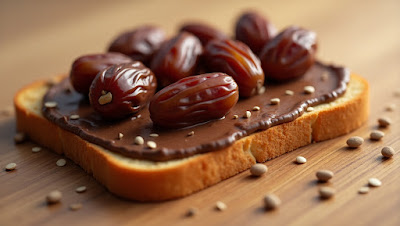
Cocoa-Date Spread on Toast – A Naturally Sweet Homemade Treat
Children often enjoy familiar foods with a little twist. This cocoa-date spread is easy to prepare and uses dates for natural sweetness instead of relying on added sugar.
Ingredients:
-
5 soft, pitted dates
-
1 tablespoon unsweetened cocoa powder
-
1–2 tablespoons warm water
-
2 slices soft whole-wheat bread
Method:
-
Soak the dates in warm water until soft, if needed.
-
Remove the dates and check carefully that all pits have been removed.
-
Blend the dates with cocoa powder and a little warm water until smooth.
-
Add more water gradually if needed to achieve a spreadable consistency.
-
Spread a thin layer over soft toast.
-
Cut into age-appropriate pieces and serve.
Educator’s Tip: Let older preschoolers help identify the ingredients, count the dates or watch how the mixture changes during blending. These everyday kitchen experiences encourage observation, language and early mathematical thinking.
Nutrition Note: Dates provide fibre and natural sweetness, while cocoa adds flavour. Whole-wheat bread contributes fibre and energy.
Safety Note: Ensure the date spread is completely smooth, with no hard pieces or pits. Use soft bread and serve in manageable pieces. Adults should operate the blender.
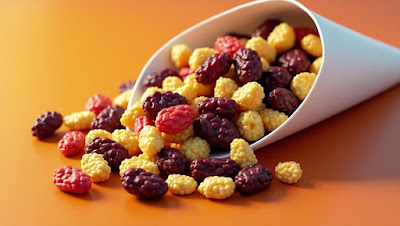
Homemade Trail Mix – A Colourful Mix for Little Snack Explorers
A homemade trail mix is easy to customise using ingredients your family already enjoys. Children can also participate in choosing and combining suitable ingredients, making snack preparation a fun learning experience.
Ingredients:
-
2 tablespoons puffed rice
-
1 tablespoon finely chopped dried cranberries
-
1 tablespoon finely chopped raisins
-
1 tablespoon finely ground pumpkin seeds
Method:
-
Check that the dried fruits are soft and free from hard pieces.
-
Place the puffed rice in a mixing bowl.
-
Add the finely chopped dried fruits and ground pumpkin seeds.
-
Mix gently.
-
Serve in a small bowl appropriate for your child’s age.
Educator’s Tip: Invite older preschoolers to help sort the ingredients by colour, count spoonfuls and mix them together. These simple tasks encourage classification, counting and independence.
Nutrition Note: Puffed rice provides carbohydrates, dried fruits contribute fibre, and pumpkin seeds provide healthy fats and minerals.
Safety Note: Traditional trail mixes containing whole nuts, whole seeds and hard dried fruits are not suitable for young children because of choking risks. This version uses finely ground seeds and appropriately prepared dried fruit. Always adapt the texture to your child’s developmental eating skills and check for allergies.
Cheese and Whole-Grain Crackers Bento – A Balanced Little Snack Box
A snack box doesn’t have to be complicated to be appealing. A few familiar foods arranged neatly can make snack time more enjoyable. This simple bento-style combination is easy to prepare and can be adapted to your child’s preferences.
Ingredients:
-
2–3 whole-grain crackers
-
A small portion of cheese, cut into age-appropriate pieces
-
Soft cucumber pieces
-
Finely chopped or appropriately prepared tomato
-
A few pieces of soft seasonal fruit (optional)
Method:
-
Choose a clean, child-friendly snack box with separate sections.
-
Arrange the crackers in one section.
-
Add the prepared cheese and vegetables to the other sections.
-
Include a little seasonal fruit for variety.
-
Pack in an insulated lunch bag with an ice pack if the ingredients need to stay chilled.
Educator’s Tip: Involve older children in choosing two or three foods for their snack box. This encourages decision-making, responsibility and growing independence. You can also invite them to identify the colours and food groups represented in their box.
Nutrition Note: Whole-grain crackers provide fibre, cheese contributes protein and calcium, and fruits and vegetables add vitamins, minerals and fibre.
Safety Note: Choose crackers that are not too hard or excessively salty. Prepare cheese and vegetables in age-appropriate pieces. Keep perishable foods at a safe temperature, and check for dairy and other food allergies.
A Little Help with School Snack Packing
A divided lunchbox can make it easier to pack different snack items separately. Look for easy-to-clean compartments, secure closures and materials suitable for food contact.
Explore children’s lunchboxes on Amazon.
Building Healthy Snack Habits at Different Stages of Childhood
Children’s eating abilities, preferences and independence develop gradually. As an early-childhood educator, I encourage parents to look beyond what a child eats and also consider how they experience food.
Here are a few ways to make snack time appropriate for different stages:
Toddlers (1–3 Years)
-
Offer small, manageable portions at predictable times.
-
Introduce a variety of soft fruits, cooked vegetables and other suitable foods.
-
Allow toddlers to practise self-feeding with appropriate utensils.
-
Be patient when introducing unfamiliar tastes and textures.
Preschoolers (3–5 Years)
-
Invite children to wash fruits, mix ingredients and arrange their snack plates.
-
Offer two nutritious choices rather than preparing a separate snack for every preference.
-
Talk about food colours, shapes, smells and textures.
-
Encourage children to recognise when they feel hungry or comfortably full.
School-Age Children (6–10 Years)
-
Involve children in planning and preparing simple snacks.
-
Encourage them to help pack their own snack boxes.
-
Talk about variety and balanced food choices without labelling foods as completely good or bad.
-
Help them develop practical food-preparation and kitchen-safety skills.
A Gentle Reminder for Parents
Children do not all develop the same food preferences at the same pace. Some may readily try new foods, while others need repeated, pressure-free opportunities.
Our role is to provide suitable choices, create positive eating experiences and allow children to gradually develop confidence and independence around food.
Final Thoughts: Making Healthy Snacking a Happy Habit
Healthy eating is not about preparing perfect meals or expecting children to enjoy every food placed before them. It is about building small, consistent habits that gradually become part of everyday family life.
Through my experience as an early-childhood educator, I’ve learnt that children often develop a positive relationship with food when they are given opportunities to explore, participate and make simple choices without pressure.
Start with two or three snack ideas from this list. Involve your child in washing fruit, mixing ingredients or arranging a snack plate. Celebrate their curiosity rather than focusing only on how much they eat.
Remember, every little experience counts. A child who helps prepare a snack today may become a more confident and independent food explorer tomorrow.
I hope these healthy snack ideas for kids make your family snack times a little easier, healthier and happier.
Happy Parenting!
I’d love to hear from you. Which of these snacks does your child enjoy most? Share your experiences and suggestions in the comments.