

Introduction: The Tantrum Trap and How Mindfulness Can Help
Imagine standing in a supermarket when your toddler suddenly bursts into tears because you said no to a favourite cereal. People turn to look, your child becomes increasingly upset, and you struggle to decide what to do next.
If you’ve experienced a moment like this, you’re not alone. Toddler tantrums can leave parents feeling frustrated, embarrassed, and unsure whether they’re responding in the right way.
But tantrums are not simply a sign of bad behaviour. Young children are still learning how to manage frustration, communicate their needs, cope with disappointment, and regulate strong emotions. When feelings become overwhelming, they may need an adult’s help to regain a sense of calm.
This is where mindful parenting can make a difference. It encourages parents to pause, notice their own reactions, understand what their child may be experiencing, and respond with empathy while maintaining clear boundaries.
As an educator, I’ve learned the importance of looking beyond a child’s behaviour and considering what they may be trying to communicate. A calm, thoughtful response cannot prevent every tantrum, but it can create opportunities for connection and learning.
In this article, we’ll explore 10 practical, research-informed strategies to help you respond to tantrums, support emotional intelligence, and build a more positive relationship with your child. The goal isn’t perfect parenting or a tantrum-free home. It’s helping children gradually develop the skills they need to understand and manage their emotions.
Why Tantrums Happen: The Science of Little Big Emotions
Toddlers aren’t mini-adults. Their brains and communication skills are still developing, and managing strong emotions takes practice. When frustration, disappointment, or tiredness becomes overwhelming, a toddler may struggle to express what they feel or respond calmly to a parent’s instructions.
The brain systems involved in planning, controlling impulses, and regulating emotions continue to develop throughout childhood and adolescence. This helps explain why young children often need an adult’s support when their feelings become too big to manage alone.
Common Triggers Behind Toddler Tantrums
1. Hunger, tiredness, or overstimulation
A child who is hungry, exhausted, uncomfortable, or overwhelmed by noise and activity may find it harder to cope with frustration.
2. A growing need for independence
Toddlers increasingly want to make their own choices. Being told “no,” having to stop a favourite activity, or struggling to complete a task independently can trigger strong reactions.
3. Limited communication skills
A toddler may know what they want but lack the words to explain it. Crying, shouting, or dropping to the floor may become ways of expressing frustration.
4. Difficulty managing disappointment
Waiting, sharing, taking turns, and accepting limits are skills children develop gradually. A toddler may need repeated practice and patient guidance to manage these situations.
5. Changes in routine or environment
Transitions, unfamiliar places, and unexpected changes can be challenging for some children, especially when they are already tired or unsettled.
How Mindful Parenting Helps
Mindful parenting encourages us to pause before reacting, notice our child’s possible needs, and respond with both compassion and clear boundaries.
It doesn’t mean allowing every behaviour or preventing every tantrum. Instead, it means recognising that a child can feel angry or disappointed while still learning that certain actions, such as hitting or throwing objects at others, are not acceptable.
When we look beyond the behaviour and consider what may be causing it, we can respond more thoughtfully and help children gradually build emotional regulation skills.
What Is Mindful Parenting? (And Why It Isn’t Permissive)
Mindful parenting means paying attention to what is happening in the moment—your child’s emotions, your own reactions, and the needs of the situation—before choosing how to respond.
It isn’t about saying yes to everything or avoiding boundaries. Children need warmth and limits together. You can acknowledge a feeling while still holding a boundary.
For example, you might say, “I know you’re upset that screen time is over. It’s hard to stop when you’re enjoying something. The tablet is finished for today, and I’ll help you move on to another activity.”
Mindful parenting is built on three important foundations:
1. Awareness
Notice your own stress signals, emotions, and common triggers. Recognising that you’re becoming frustrated can help you pause before reacting.
2. Acceptance
Acknowledge your child’s feelings without judging or dismissing them. Remember, accepting a feeling does not mean accepting every behaviour. It’s okay for a child to feel angry, but hitting or hurting others still needs a clear boundary.
3. Intentional action
Where possible, take a breath, consider what your child needs, and respond with calm, consistent guidance. You won’t always get it right—and that’s normal. What matters is continuing to learn, reconnect, and try again.
Mindful parenting isn’t about being a perfect parent or keeping every situation peaceful. It’s about building a relationship in which children feel understood while gradually learning responsibility, emotional regulation, and respect for boundaries.

10 Mindful Parenting Strategies to Tame Tantrums and Nurture Emotional Intelligence
Name It to Tame It: Help Your Child Identify Feelings
Young children often experience powerful emotions before they have the words to explain them. Helping them name what they feel can gradually build emotional vocabulary and make it easier for them to communicate their needs.
When your toddler is upset, try calmly acknowledging the emotion without judging it or expecting the child to stop crying immediately.
For example, you could say:
-
“You’re feeling frustrated because the tower fell down.”
-
“You seem disappointed that we have to leave the park.”
-
“You’re angry because it’s time to put the toys away.”
Give your child time to respond. They may agree, use their own words, or simply continue expressing their feelings. You don’t need to guess perfectly; you can gently ask, “Are you feeling upset?”
An educator’s tip: Practise naming emotions during everyday moments, not only during tantrums. Storybooks, picture cards, pretend play, and conversations about characters’ feelings can help children recognise emotions in a relaxed setting.
Remember, naming a feeling doesn’t make every tantrum disappear. It gives your child a useful starting point for learning to understand and communicate emotions over time.
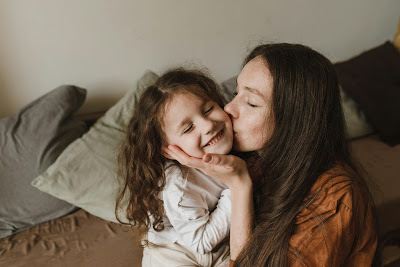
Parent-Child Breathing: Create a Moment of Calm
When emotions run high, a gentle pause can help both parent and child slow down. Simple breathing activities can introduce children to a useful way of noticing their bodies and managing feelings. However, a child who is in the middle of a big tantrum may not be ready to follow breathing instructions—and that’s okay.
Instead of insisting that your child take deep breaths, model slow, comfortable breathing yourself and offer an invitation.
You might say:
-
“Let’s take a little pause together.”
-
“Would you like to blow slowly like we’re blowing bubbles?”
-
“I’m going to take a slow breath. You can join me if you want.”
Try this playful activity: Pretend to smell a flower and then gently blow away a dandelion seed. Keep the breathing natural and comfortable rather than asking your child to take very deep or rapid breaths.
If your child refuses, cries, or turns away, don’t force the activity. Stay nearby if it is safe, speak gently, and allow your child time to settle. You can practise breathing games during relaxed moments so they feel familiar before difficult situations arise.
Remember: The aim isn’t to stop a tantrum on command. It’s to introduce a calming skill that your child can gradually learn to use with your support.

Pause and Observe: Respond Instead of Reacting
When a tantrum begins, a parent’s first reaction may be to raise their voice, give repeated instructions, or try to stop the behaviour immediately. However, taking a brief pause can help you choose a more thoughtful response.
Mindful parenting encourages you to notice what is happening before reacting. Ask yourself: Is my child tired, hungry, frustrated, overwhelmed, or struggling to communicate something?
You don’t need to solve everything in that moment. First, make sure your child and others are safe. Then, try to keep your voice calm and your words simple.
Try the STOP technique:
-
S — Stop: Pause before responding, if the situation allows.
-
T — Take a breath: Give yourself a moment to settle.
-
O — Observe: Notice your child’s behaviour, your own emotions, and what may have triggered the situation.
-
P — Proceed thoughtfully: Choose a response that is both kind and firm.
For example, if your child throws a toy after being asked to stop playing, you might say, “You’re upset that playtime is over. I understand. I won’t let you throw toys. Let’s put this one away together.”
As an educator, I’ve found that looking beyond the immediate behaviour can help adults respond with greater understanding. A pause won’t prevent every difficult moment, but it can help us avoid reacting in ways we later regret.
Remember: Mindful parenting doesn’t mean remaining perfectly calm all the time. It means noticing your reactions, making a conscious effort to respond thoughtfully, and repairing the connection when things don’t go as planned.

Offer Choices: Encourage Cooperation Without Power Struggles
Toddlers are beginning to discover their independence. They want to make decisions, do things by themselves, and feel that their opinions matter. When they have little control over what happens, even simple requests can sometimes lead to resistance or tantrums.
Offering two acceptable choices gives your child a sense of involvement while allowing you to maintain appropriate boundaries.
For example, instead of saying, “Put on your shoes now!” you could ask:
-
“Would you like to wear your red shoes or your blue shoes?”
-
“Would you like to tidy the blocks first or the toy cars?”
-
“Would you like to walk to the bathroom or hold my hand?”
Both options should be acceptable to you. Avoid offering a choice when the decision has already been made or when safety requires immediate action.
An educator’s tip: Keep choices simple and appropriate for your child’s age. Two options are usually enough for a young toddler. Give your child a little time to decide rather than repeating the question several times.
If your child refuses both choices, remain calm and restate the boundary gently. For example, “It’s time to leave now. You can walk beside me, or I can help you.”
Remember, offering choices won’t prevent every tantrum. It can, however, give children regular opportunities to practise decision-making, independence, and cooperation while learning that boundaries still matter.
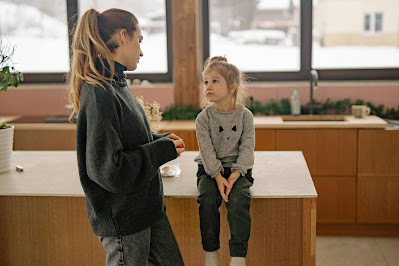
Body Scan: Help Your Child Recognise Body Signals
Children don’t always have the words to explain their emotions. Sometimes, they show their feelings through clenched fists, tense shoulders, restless movements, or tears. Helping children notice these body signals can gradually improve their awareness of emotions.
A simple body-awareness activity can help children connect physical sensations with feelings, especially when practised during calm moments.
Try this gentle activity:
Invite your child to sit or lie comfortably, if they wish. In a soft voice, guide them to notice different parts of their body.
You might say:
-
“Can you feel your feet resting on the floor?”
-
“Are your hands feeling relaxed or tight?”
-
“Does your tummy feel comfortable, or does it feel a little wobbly?”
Keep the activity short and playful. Young children may prefer stretching, gently wiggling their fingers, or pretending to be a sleepy cat rather than sitting still.
An educator’s tip: Use stories and pretend play to introduce body awareness. Ask children how a character might feel when their heart beats faster or their hands become tight.
If your child is already in the middle of an intense tantrum, a body scan may feel like too much. Focus first on safety, reassurance, and giving them time to settle. Never force a child to participate.
Remember: Body awareness develops gradually. The goal is to help children recognise their feelings and physical signals over time, not to make every difficult emotion disappear.
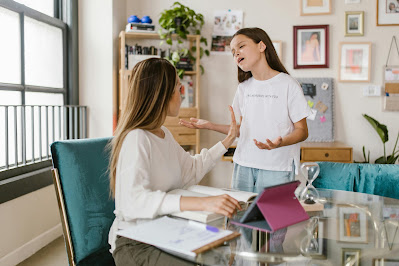
Model Emotional Regulation: Let Your Child Learn from You
Children learn many everyday behaviours by watching the adults around them. The way we respond to frustration, disappointment, and conflict can offer valuable lessons about handling emotions.
As parents, we don’t have to remain calm every minute of the day. We are human, too. What matters is showing children that strong feelings can be managed respectfully and that relationships can be repaired after difficult moments.
Try these simple practices:
-
Name your own feelings: Say, “I’m feeling frustrated because we’re running late. I’m going to pause and think about what to do next.”
-
Demonstrate a healthy response: Instead of shouting when something goes wrong, take a comfortable breath and speak in a steady voice.
-
Show how to apologise: If you raise your voice, acknowledge it. You might say, “I was upset, but shouting wasn’t helpful. I’m sorry. I’ll try to speak more calmly.”
-
Talk about problem-solving: Explain how you can work through a disagreement without blaming, threatening, or hurting someone.
An educator’s tip: Use everyday situations as learning opportunities. When a plan changes or a mistake happens, let your child see how you adapt, ask for help, and try again.
Remember, children don’t need perfect parents. They benefit from adults who demonstrate accountability, kindness, and the willingness to make things right after a difficult moment.
By modelling emotional regulation, you help your child understand that feelings are normal, but we can learn to choose how we express them.

Create a Calm Corner: A Safe Space for Big Feelings
Sometimes, children need a quiet, comfortable place to pause when their emotions feel overwhelming. A calm corner can offer a welcoming space where they can begin to settle, with support from a trusted adult.
Unlike a time-out used as punishment, a calm corner should never make a child feel rejected, ashamed, or isolated for having strong emotions. It is an opportunity to practise calming skills, not a place where children are sent away for being upset.
How to create a toddler-friendly calm corner:
-
Choose a comfortable spot: Use a quiet area with a soft cushion, a small mat, or a favourite stuffed toy.
-
Add simple calming materials: Picture books, emotion cards, soft toys, or sensory objects suitable for your child’s age can be helpful.
-
Introduce it during a peaceful moment: Explain that the space is available whenever your child wants a little quiet time.
-
Offer your presence: Some children prefer to sit alone briefly; others need a parent nearby. Follow your child’s cues while ensuring they remain safe.
-
Practise using it together: You might say, “Would you like to sit with your teddy for a little while, or would you like me to stay beside you?”
If your child refuses the calm corner during a tantrum, don’t force them to use it. Stay available, maintain necessary safety boundaries, and offer comfort when they are ready.
An educator’s tip: Let your child help choose a cushion, book, or soft toy for the space. This can make the corner feel familiar and inviting.
Remember, a calm corner is not a magic solution for tantrums. Its purpose is to give children a supportive place to practise emotional regulation over time, while reminding them that they are loved even when they are having a difficult moment.
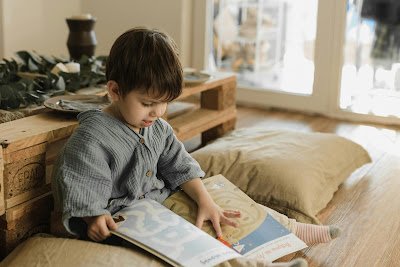
Use “When–Then” Language: Set Clear and Positive Boundaries
Young children often find transitions difficult, especially when they have to stop an enjoyable activity or begin something they don’t want to do. Clear, simple language can help them understand what needs to happen next.
“When–then” language connects a necessary task with what follows. When used warmly and consistently, it can help children understand routines without lengthy arguments or repeated instructions.
Here are a few everyday examples:
-
“When your toys are in the basket, then we can read your favourite story.”
-
“When your shoes are on, then we’ll go to the park.”
-
“When you’ve finished washing your hands, then we’ll sit down for lunch.”
Keep your words short, specific, and appropriate for your child’s age. Make sure the “then” activity is realistic and that you follow through consistently.
What if your child refuses?
Try acknowledging the feeling while maintaining the boundary. For example, “You want to keep playing. It’s hard to stop. It’s time to put the toys away, and I’ll help you.”
Avoid using basic needs, affection, or comfort as rewards. Children should never have to earn food, safety, reassurance, or love by behaving well.
An educator’s tip: Give a gentle warning before transitions, such as, “Five more minutes of play, then we’ll tidy up.” Younger toddlers may need a shorter reminder or help moving from one activity to another.
Remember, “when–then” language is a tool for guidance, not a guarantee against tantrums. Pair it with patience, predictable routines, and appropriate choices to help your child gradually develop cooperation and independence.
Practise Gratitude: Help Children Notice the Good Things
Mindful parenting isn’t only about managing difficult emotions. It also involves helping children notice positive experiences, appreciate the people around them, and develop a balanced understanding of their everyday lives.
For young children, gratitude is best introduced through simple conversations, playful activities, and the example set by adults. It should feel natural rather than like another rule they must follow.
Try these simple gratitude activities:
-
Share a happy moment: At bedtime, ask, “What was something you enjoyed today?”
-
Notice everyday kindness: Say, “That was kind of your friend to share the crayons with you.”
-
Create a gratitude jar: Invite your child to draw pictures of people, experiences, or things they appreciate and place them in a jar.
-
Model appreciation: Let your child hear you say, “I’m grateful Grandma helped us today,” or “I really enjoyed reading that story with you.”
-
Use books and stories: Talk about characters who help others and explore how their actions make people feel.
An educator’s tip: Very young children may find it easier to draw a picture or name a favourite activity than to explain gratitude in words. Adapt the activity to your child’s age and communication skills.
Remember, gratitude should never be used to dismiss difficult feelings. If your child is disappointed, upset, or angry, listen to those feelings rather than telling them to be grateful instead.
The goal is to help children gradually recognise kindness and positive experiences while understanding that all emotions—including sadness, frustration, and disappointment—are part of being human.

Reflect, Don’t Rehash: Turn Difficult Moments into Learning Opportunities
After a tantrum, your child may need time to settle before being ready to talk. Once they are calm and receptive, a gentle conversation can help them understand what happened and explore better ways to handle similar situations in the future.
The aim isn’t to lecture, blame, or make your child feel guilty. It is to help them learn from the experience while maintaining a loving connection.
How to reflect with your child:
-
Reconnect first: Offer a hug if your child wants one, or simply sit nearby and let them know you’re available.
-
Describe what happened neutrally: “You were upset when it was time to leave the playground.”
-
Acknowledge the feeling: “You really wanted to stay and play longer.”
-
Explore another response: “Next time, would you like a five-minute warning before we leave?”
-
Reinforce the boundary: “It’s okay to feel angry. I won’t let you hit, but I can help you find another way to show your feelings.”
Keep the conversation short, especially with toddlers. Some children may not be ready to talk, and others may communicate better through play, drawing, or a simple story. You can revisit the situation later when your child is comfortable.
An educator’s tip: Focus on what your child can learn rather than repeatedly reminding them of what went wrong. Praise specific efforts, such as asking for help, using words to express frustration, or beginning to calm down.
Remember, one conversation won’t teach emotional regulation overnight. Children learn through repeated experiences, patient guidance, and consistent support.
And if you lose your patience during a difficult moment, you can reflect, too. A sincere apology and a fresh start show your child that everyone makes mistakes and everyone can work towards doing better.

Frequently Asked Questions About Mindful Parenting
What is mindful parenting?
Mindful parenting means paying attention to your child’s feelings, your own reactions, and the situation before responding. It encourages parents to listen with empathy, remain aware of their emotions, and maintain clear, consistent boundaries.
Can mindful parenting help reduce toddler tantrums?
Mindful parenting may help parents respond to tantrums more calmly and understand the needs or triggers behind their child’s behaviour. It cannot prevent every tantrum, as these are a common part of early childhood development.
At what age can I start practising mindful parenting?
You can begin from infancy by responding sensitively to your baby’s cues and creating predictable, reassuring routines. As children grow, you can introduce simple activities such as naming emotions, offering appropriate choices, and practising calming skills together.
What should I do if my child refuses to calm down?
First, make sure your child and others are safe. Use a calm voice, keep your words simple, and allow your child time to settle. Avoid forcing breathing exercises or demanding an explanation during an intense tantrum. Once your child is receptive, offer comfort and gently discuss what happened.
Does mindful parenting mean I should never discipline my child?
No. Mindful parenting includes setting limits and guiding behaviour respectfully. Parents can acknowledge a child’s anger or disappointment while making it clear that hitting, hurting others, or unsafe behaviour is not acceptable. The aim is to teach appropriate behaviour without shaming or frightening the child.
Conclusion: Small, Mindful Steps Can Make a Big Difference
Parenting through tantrums can be challenging, even for the most patient and experienced parents. There will be days when your child struggles to manage big emotions and days when you find it difficult to remain calm yourself. That is a normal part of family life.
Mindful parenting isn’t about eliminating every tantrum or responding perfectly every time. It’s about learning to pause, understand what your child may be experiencing, and respond with empathy while maintaining clear and consistent boundaries.
As an educator and a mother, I believe that children learn emotional skills gradually through everyday experiences. A few reassuring words, a moment of patience, or a sincere apology after a difficult interaction can help strengthen the parent-child relationship.
You don’t need to practise all ten strategies at once. Start with one that feels manageable, such as naming your child’s emotions or pausing before reacting. Practise it consistently and adjust it to suit your child’s age and needs.
Remember, the goal isn’t perfect parenting; it’s progress, connection, and learning together. When children feel supported and guided, they have more opportunities to develop the emotional skills they will carry into later life.
Be patient with your child—and with yourself. Every small step towards understanding is worthwhile.
Do read my other article on the blog and comment your feedback.
Screentime Alternatives For Kids
Core Responsibilites of parents
HAPPY MINDFUL PARENTING😍