
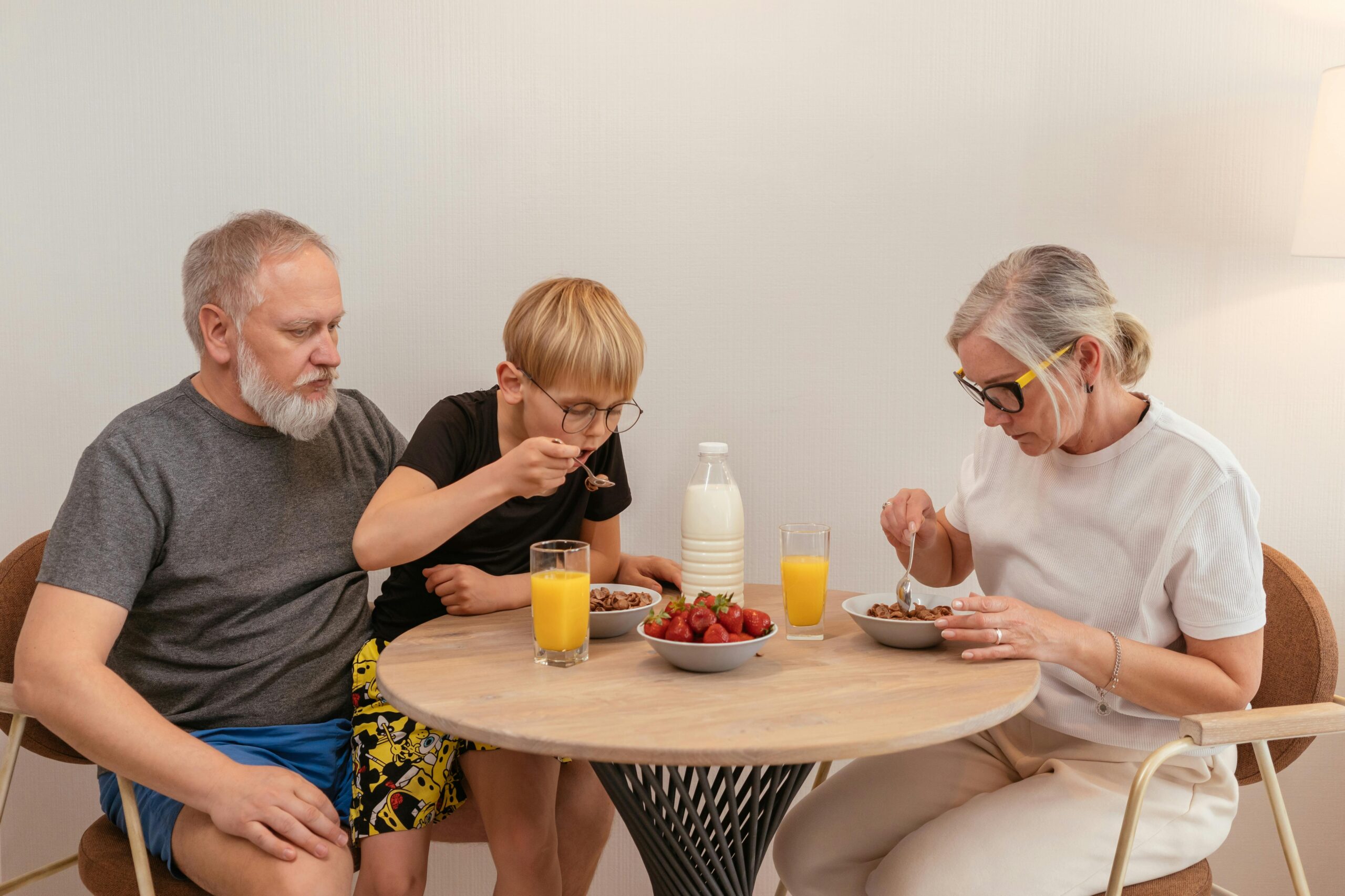
Introduction: Building Emotional Resilience Through Family Meals
What if your kitchen could become a place where children learn patience, teamwork, empathy, and confidence—all while preparing a meal with you?
I often get parents who want to know about how to make the children responsible and build emotional resilience.
Building emotional resilience for kids doesn’t always begin with a formal lesson. Everyday family activities, including cooking together, can create natural opportunities for children to practise handling frustration, making choices, solving problems, and expressing their feelings.
Imagine your child helping prepare dinner, discovering that a recipe didn’t turn out as expected, and learning to try again with your support. Or picture the family sitting around the table, sharing stories, listening to one another, and celebrating small achievements. These simple moments can help children practise important emotional and social skills.
Family meals are about more than food. When adults make space for conversation, cooperation, and connection, children have opportunities to feel heard and learn from the people around them.
What You’ll Discover in This Article
In this guide, you’ll explore seven family-friendly recipe ideas, along with practical activities that help children practise:
- Patience: Waiting, taking turns, and following simple steps.
- Problem-solving: Finding another approach when something goes wrong.
- Teamwork: Sharing age-appropriate kitchen tasks.
- Gratitude and mindfulness: Noticing flavours, colours, and the effort behind a meal.
- Emotional connection: Using relaxed mealtimes to talk and listen.
The goal isn’t to create perfect meals or perfectly behaved children. It’s to make everyday cooking a chance to connect, learn, and grow together.
How Cooking builds emotional resilience for kids
Cooking together offers children more than an opportunity to learn a recipe. It creates everyday moments to practise patience, manage small disappointments, make decisions, and work with others. When a pancake tears or an ingredient is missing, parents can gently guide children to pause, think of another solution, and try again. These experiences don’t make children resilient overnight, but repeated opportunities to solve problems with a supportive adult can help them develop confidence and flexibility.
As parents and educators, we can turn simple kitchen activities into meaningful learning experiences. The aim isn’t perfection—it’s helping children feel safe enough to participate, make mistakes, express their feelings, and learn along the way.

7 Easy Kid-Approved Recipes for Emotional Resilience
Each of these recipes is designed to:
-
Teach a life skill
-
Boost mood with science-backed ingredients
-
Encourage family connection
Cooling Coconut Curry
Ingredients
- 1 cup cooked chickpeas
- 1 cup coconut milk
- 1 cup chopped spinach
- 1 small onion, chopped
- 1 small tomato, chopped
- ½ teaspoon turmeric
- 1 teaspoon oil
- Water as needed
Method
- Heat the oil in a pan and sauté the onion until soft.
- Add the tomato and turmeric, and cook for a few minutes.
- Stir in the chickpeas and coconut milk.
- Simmer gently for 5–8 minutes, adding a little water if needed.
- Add the spinach and cook until wilted. Allow the curry to cool to a suitable serving temperature.
Emotional Skill: Adaptability
Cooking doesn’t always go exactly as planned. Invite your child to choose between two vegetables or help decide how to serve the curry.
Ask your child: “Our plan has changed a little. What else could we try?”
This helps children practise flexibility and problem-solving in an everyday setting.
Age-appropriate participation: Younger children can wash spinach or stir ingredients in a cool bowl. Older children can measure ingredients or help prepare vegetables with suitable supervision. An adult should handle the hot pan and stove.
Parent tip: Focus on the experience rather than whether your child eats every ingredient. Praise their effort, curiosity, and willingness to participate.
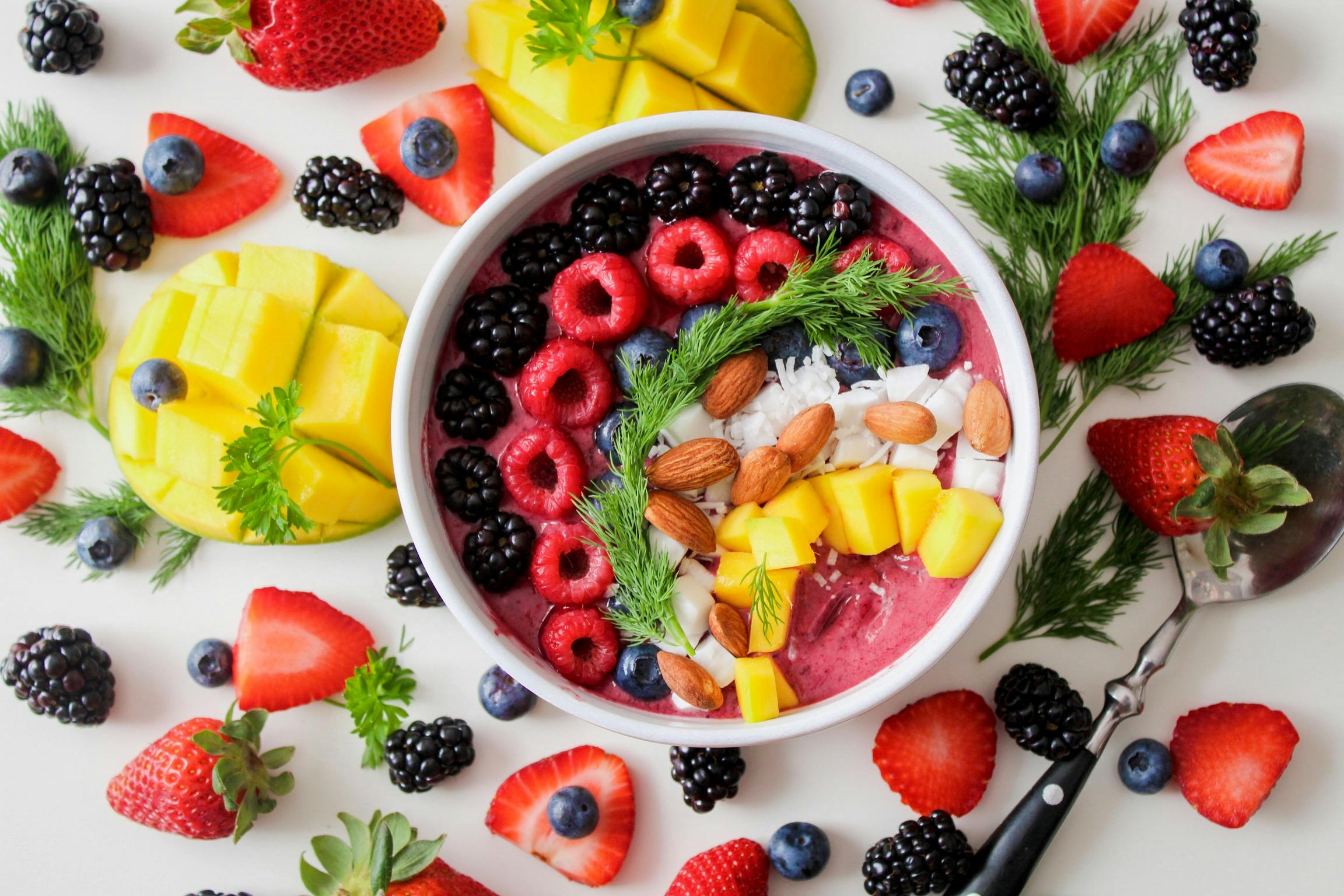
Mood-Boosting Berry Smoothie Bowls.
Ingredients
- 1 ripe banana
- ½ cup mixed berries, fresh or frozen
- ½ cup plain yoghurt
- A little milk, if needed to adjust the consistency
- Soft fruit pieces or age-appropriate toppings, as desired
Method
- Add the banana, berries, and yoghurt to a blender.
- Blend until smooth, adding a little milk if needed.
- Pour into bowls.
- Invite children to arrange suitable toppings and create their own designs.
Emotional Skill: Creativity and Confidence
Give your child the freedom to choose between a few toppings and decide how to decorate their bowl.
Ask your child: “What made you choose those colours? Can you tell me about your creation?”
This encourages children to express their ideas and feel proud of their efforts. Remind them that there is no single right way to decorate a smoothie bowl.
Age-appropriate participation: Young children can choose toppings and help arrange them. Older children can measure ingredients and help operate the blender with adult supervision.
Parent tip: Celebrate your child’s creativity rather than comparing their bowl with someone else’s. The aim is to enjoy the process together, not to create a perfect result.
Food safety: Check for allergies and use toppings appropriate to your child’s age. Avoid whole nuts and other choking hazards for young children; prepare ingredients in a safe, age-appropriate form.
Teamwork Tacos.
Ingredients
- 4 small whole-grain tortillas
- 1 cup cooked black beans, drained and rinsed
- 1 ripe avocado, mashed
- ½ cup chopped tomato
- ½ cup grated cheese, optional
- A little mild salsa, if desired
- Lettuce, washed and finely chopped
Method
- Warm the tortillas according to the packet instructions.
- Place the beans, mashed avocado, tomato, lettuce, and optional cheese in separate bowls.
- Let each family member choose ingredients and assemble their own taco.
- Sit together and enjoy your creations.
Emotional Skill: Teamwork and Cooperation
Give everyone a small, age-appropriate task. One person can arrange the ingredients, another can set the table, and someone else can assemble the tacos.
Conversation starter: “What is one thing you’re proud of this week?”
Encourage each family member to listen without interrupting. Children learn that everyone’s contribution matters, even when people have different ideas.
Parent tip: If disagreements arise over who gets to do a particular task, help children take turns and find a fair solution. Treat these moments as opportunities to practise cooperation rather than expecting everyone to agree immediately.
Age-appropriate participation: Younger children can place soft ingredients into bowls or assemble tacos. Adults should handle knives and hot surfaces. Prepare ingredients in suitable sizes for young children and supervise them while eating.

Patience-Building Pizza Dough
Ingredients
- 1 cup whole-wheat flour
- 1 teaspoon instant yeast
- ½ teaspoon sugar
- A pinch of salt
- ½ tablespoon olive oil
- About ⅓ cup warm water, added gradually
- ½ cup pizza sauce
- ½ cup grated mozzarella cheese
- Finely chopped vegetables of your choice
Method
- Mix the flour, yeast, sugar, and salt in a bowl.
- Add the olive oil and warm water gradually, mixing until a soft dough forms.
- Knead the dough on a clean surface for about 5–8 minutes, with adult help if needed.
- Cover and leave it in a warm place until it rises, usually about 45–60 minutes.
- Let an adult help roll out the dough. Add the pizza sauce, cheese, and vegetables.
- Bake in a preheated oven at 200°C until the base is cooked and the cheese has melted, usually around 12–15 minutes. An adult should handle the oven and hot tray.
Emotional Skill: Patience
Making pizza gives children a chance to experience waiting for something they have helped create. Explain that dough needs time to rise and that some activities cannot be rushed.
Ask your child: “What can we do while we wait for the dough to rise?”
You could read a story, prepare the toppings, or talk about something enjoyable from the day.
Parent tip: If your child becomes impatient, acknowledge their feelings: “Waiting can be difficult when we’re excited. Let’s see what we can do while we wait.” This helps children practise managing frustration with adult support.
Age-appropriate participation: Younger children can sprinkle toppings or gently knead dough. Older children can measure ingredients and help follow the recipe. Keep children away from hot ovens and baking trays.

Gratitude Veggie Stir-Fry
Ingredients
- 1 cup firm tofu, cut into small cubes
- 1 cup mixed vegetables, such as carrots, bell peppers, and broccoli
- 1 tablespoon oil
- 1 tablespoon low-sodium soy sauce, or to taste
- 1 small garlic clove, minced (optional)
- Cooked rice, to serve
Method
- Wash the vegetables and cut them into suitable pieces with adult supervision.
- Heat the oil in a pan and cook the tofu until lightly golden.
- Add the vegetables and garlic, if using, and stir-fry until tender but still colourful.
- Add the soy sauce and stir well.
- Serve warm with cooked rice. An adult should handle the hot pan.
Emotional Skill: Gratitude and Mindfulness
Invite your child to notice the colours, textures, and smells of the meal. Talk about the people and efforts that helped bring the ingredients to your table.
Ask your child: “What is one small thing you’re thankful for today?”
Let everyone share if they wish, without forcing children to speak or insisting that they feel grateful.
Parent tip: Gratitude is not about ignoring difficult feelings. Children can feel disappointed, angry, or sad and still learn to notice positive moments when they are ready.
Age-appropriate participation: Younger children can wash vegetables or place ingredients in bowls. Older children can measure sauces and help stir with close adult supervision.

Colourful Bean and Spinach Wraps
Ingredients
- 2 whole-wheat wraps
- ½ cup cooked beans or lentils
- ½ cup finely chopped spinach
- ¼ cup grated carrot
- 2 tablespoons plain yoghurt
- A little lemon juice, if desired
Method
- Wash the spinach and carrot thoroughly.
- Mash the cooked beans or lentils lightly in a bowl.
- Mix the spinach and carrot with the beans or lentils.
- Spread a little yoghurt over each wrap.
- Add the filling and roll the wraps. An adult can help cut them into manageable portions.
Emotional Skill: Cooperation
Invite each family member to contribute one small task. One person can wash the vegetables, another can prepare the filling, and someone else can arrange the wraps.
Ask your child: “How did we help one another make this meal?”
This encourages children to notice teamwork and appreciate the contributions of others.
Parent tip: If something goes wrong or a family member needs extra help, demonstrate how to offer support calmly. Cooperation means working together, not expecting everyone to do exactly the same thing.
A nutrition note: Beans, lentils, and spinach provide iron, although the amount varies by ingredient and serving size. Vitamin C-rich foods, such as lemon or tomato, can help the body absorb iron from plant foods.

Colourful Yogurt and Veggie Bowls
Ingredients
- 1 cup plain yoghurt
- ½ cup cooked rice or another suitable grain
- ½ cup grated carrot
- ½ cup finely chopped cucumber
- A few pieces of soft, age-appropriate fruit, if desired
- A small amount of mild fermented vegetables for those who enjoy them, optional
Method
- Place the cooked rice or grain in a bowl and allow it to cool to a suitable temperature.
- Arrange the yoghurt, carrot, cucumber, and optional fruit in separate sections.
- Invite your child to choose which ingredients to add.
- If your family enjoys fermented vegetables, offer a small amount separately so children can explore the flavour at their own pace.
Emotional Skill: Curiosity and Openness
Trying unfamiliar foods can be a new experience for children. Let them observe, smell, or taste a new ingredient if they wish, without pressure to finish it.
Ask your child: “What do you notice about this food? Is its colour, smell, or texture different from something you’ve tried before?”
This gives children a chance to describe their experiences and express preferences.
Parent tip: Children do not need to like every food they try. Respond calmly if they decline, and offer opportunities to explore new ingredients another time.
A nutrition note: Yoghurt and vegetables can contribute to a varied diet. Fermented foods differ in their ingredients, salt content, and live cultures, so they should not be described as guaranteed mood boosters or treatments for emotional difficulties.
Food safety: Use properly stored ingredients and age-appropriate portions. Refrigerate yoghurt promptly and supervise young children while eating.

Mealtime Magic: Conversation Starters for Emotional Bonding
Family meals can provide a relaxed opportunity for children to share their thoughts, express feelings, and listen to others. You don’t need to ask lots of questions or turn dinner into a lesson. One gentle, open-ended question can be enough to begin a meaningful conversation.
Try these age-appropriate prompts and let children decide how much they want to share.
| Age group | Conversation starter | Skill it can encourage |
|---|---|---|
| Toddlers | “What made you smile today?” | Naming experiences and feelings |
| Preschoolers | “What was something difficult you tried today?” | Confidence and persistence |
| School-age children | “What could you try if something doesn’t work the first time?” | Problem-solving |
| Teens | “What is something you wish adults understood better?” | Reflection and open communication |
| All ages | “What is one kind thing someone did today?” | Empathy and appreciation |
A Few Tips for Parents
- Listen without rushing to solve everything. Sometimes children need to feel heard before they are ready for advice.
- Share your own experiences, too. Talking about a small challenge you faced can show children that everyone learns through experience.
- Respect different moods. If your child doesn’t want to talk, don’t force a conversation. Another opportunity may come later.
- Make mealtimes welcoming. Avoid using these questions to criticise, compare, or test children.
The goal isn’t to have a perfect conversation every evening. It’s to build a family habit of listening, sharing, and connecting.
Conclusion: Building Emotional Resilience, One Meal at a Time
Emotional resilience isn’t built in a single lesson or through a perfect recipe. It develops gradually as children get opportunities to express their feelings, work through challenges, make choices, and receive support from caring adults.
Cooking together can create simple opportunities to practise these skills. Kneading pizza dough encourages patience, preparing wraps together builds cooperation, and sharing stories around the table helps families listen to one another.
You don’t need elaborate recipes or hours in the kitchen. Start with one simple meal, invite your child to help with an age-appropriate task, and enjoy the experience together. Let mistakes become learning opportunities, celebrate effort rather than perfection, and make room for everyone’s feelings.
Remember, food can nourish growing bodies, while supportive relationships and repeated everyday experiences help children develop emotional and social skills. No single recipe or ingredient can guarantee emotional resilience, but small moments of connection can be meaningful.
Your family challenge: Choose one recipe from this article to prepare together this week. Ask your child what they enjoyed, what felt difficult, and what they would like to try next time.
Let’s nurture confident, caring, and emotionally aware children—one shared meal at a time.
Happy cooking and parenting!
You can also check some other nice Easy cooking recipes below.
HAPPY COOKING AND PARENTING😍