
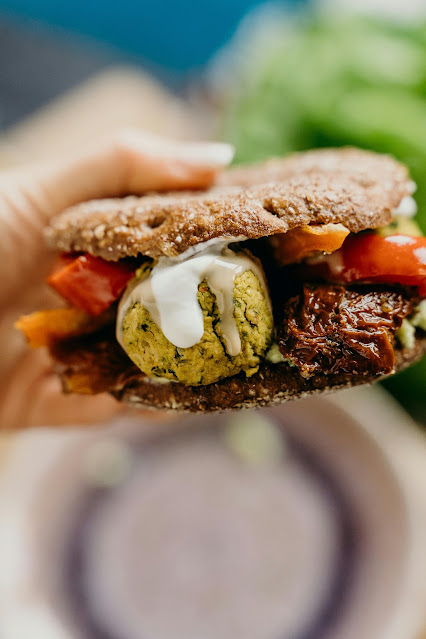
Introduction: Easy Vegan Recipes for Beginners
Planning healthy family meals can be challenging when you’re balancing work, parenting and everyday responsibilities. If you’re exploring plant-based cooking, you might wonder whether vegan meals can be simple, nutritious and appealing to children.
The good news is that they can be!
You don’t need expensive ingredients or complicated cooking techniques to prepare delicious vegan meals at home. Everyday ingredients such as lentils, chickpeas, vegetables, fruits, whole grains and nuts can be used to create satisfying family-friendly dishes.
Whether your family follows a completely vegan lifestyle or you simply want to include more plant-based meals in your weekly menu, starting with familiar recipes can make the transition easier.
In this article, you’ll discover 10 easy vegan recipes for beginners, along with simple preparation instructions and ideas to make family mealtimes more enjoyable.
Let’s make plant-based cooking simple, practical and delicious!
Why Easy Vegan Recipes for Beginners Are Great for Families
Introducing plant-based meals into family cooking can be a simple way to explore new ingredients, flavours and food combinations. You don’t have to change your entire menu overnight. Start with familiar dishes and gradually introduce new recipes.
Here are a few reasons families may enjoy beginner-friendly vegan cooking:
Encourages More Variety
Vegan meals often include colourful vegetables, fruits, beans, lentils and whole grains. Trying different combinations can help children become familiar with a wider variety of foods.
Makes Everyday Cooking Simpler
Many plant-based recipes use affordable, everyday ingredients. Lentils, chickpeas, potatoes, oats and seasonal vegetables can be turned into filling meals without complicated preparation.
Encourages Children to Explore Food
Children may enjoy helping with age-appropriate kitchen tasks, such as washing vegetables, mashing bananas or arranging ingredients. Involving them can make mealtimes more engaging.
Supports Family Meal Planning
Simple recipes such as soups, pancakes and vegetable noodles can be prepared in batches, making busy weekdays easier to manage.
Creates Opportunities for Healthier Food Choices
Well-planned plant-based meals can include fibre, vitamins, minerals and plant protein. The key is to offer variety and ensure that children’s nutritional needs are met.
A note for parents: A fully vegan diet for children needs careful planning. Pay particular attention to vitamin B12, iron, calcium, vitamin D, iodine, protein and healthy fats. Consult a qualified paediatrician or registered dietitian for individual guidance, especially for babies and young children.
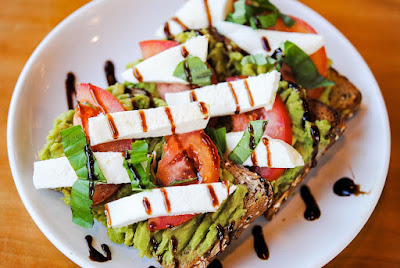
Creamy Avocado Toast
A quick and colourful breakfast that combines creamy avocado with whole-grain bread. It’s easy to prepare on busy mornings and can be customised with different toppings.
Ingredients
- 2 slices whole-grain bread
- 1 ripe avocado
- 1 teaspoon lemon juice
- A small pinch of salt
- A little black pepper (optional)
- 4–5 cherry tomatoes, chopped (optional)
- Sesame seeds for topping (optional)
Instructions
- Toast the bread until lightly golden.
- Cut the avocado, remove the pit and scoop the flesh into a bowl.
- Mash it with lemon juice and a small pinch of salt.
- Spread the avocado mixture evenly over the toast.
- Add chopped tomatoes or sesame seeds and serve immediately.
Tips for Parents
- Let children choose from a few suitable toppings.
- For younger children, cut toast into manageable pieces and ensure the texture is appropriate for their age and chewing ability.
- Add mashed beans or hummus alongside the toast for additional plant protein.
Why families may enjoy it: This simple breakfast provides healthy fats from avocado and fibre from whole-grain bread.
Vegan Banana Pancakes
Soft, naturally sweet banana pancakes are a lovely breakfast option for the whole family. They use simple ingredients and don’t require eggs or dairy.
Ingredients
- 1 ripe banana
- 1 cup oat flour
- ¾ cup unsweetened plant-based milk
- 1 teaspoon baking powder
- ½ teaspoon vanilla extract
- 1 teaspoon oil for greasing the pan
- Fresh fruit for serving
Instructions
- Peel and mash the banana in a mixing bowl until smooth.
- Add the oat flour, plant-based milk, baking powder and vanilla extract.
- Mix until you have a thick, pourable batter. Add a little more milk if needed.
- Heat a non-stick pan over medium-low heat and lightly grease it.
- Pour small portions of batter into the pan.
- Cook until bubbles appear and the edges begin to look set. Flip carefully and cook the other side until golden and cooked through.
- Serve warm with sliced fruit.
Tips for Parents
- Make mini pancakes for easier serving.
- Add mashed berries or finely chopped soft fruit for variety.
- Prepare extra pancakes and refrigerate promptly for another meal.
Why families may enjoy it: Bananas add natural sweetness, while oats provide fibre. For a more balanced breakfast, serve with a suitable protein-rich food such as fortified soy yoghurt.

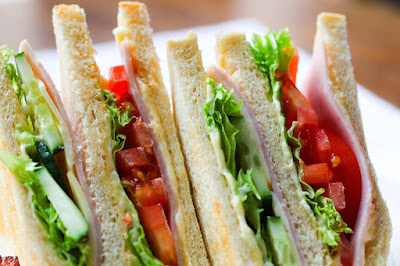
Chickpea Salad Sandwich
This protein-rich sandwich is a simple lunch option made with mashed chickpeas and a creamy dressing. It is a useful alternative to traditional sandwich fillings.
Ingredients
- 1 cup cooked chickpeas, drained and rinsed
- 2 tablespoons vegan mayonnaise
- 1 teaspoon mustard
- 1 tablespoon lemon juice
- 2 tablespoons finely chopped cucumber
- 1 tablespoon finely chopped carrot
- A small pinch of salt
- Black pepper to taste (optional)
- 4 slices whole-grain bread
Instructions
- Place the cooked chickpeas in a bowl and mash them with a fork or potato masher.
- Add vegan mayonnaise, mustard and lemon juice.
- Mix in the chopped cucumber and carrot.
- Season lightly and combine everything.
- Spread the filling over two slices of bread.
- Cover with the remaining slices, cut into portions and serve.
Tips for Parents
- Mash the chickpeas thoroughly for younger children.
- Adjust the seasoning to suit your child’s preferences.
- Use the filling in a wrap or serve it with crackers for variety.
- Keep the filling refrigerated and prepare sandwiches shortly before serving.
Why families may enjoy it: Chickpeas provide plant protein and fibre, while vegetables add colour and variety to the meal.
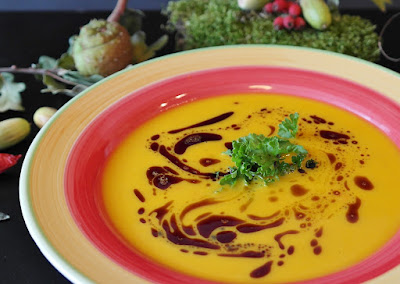
Vegan Lentil Soup
This comforting lentil soup is ideal for a family lunch or a light dinner. Red lentils cook quickly and create a naturally thick, creamy texture without adding dairy.
Ingredients
- 1 cup red lentils, rinsed
- 1 medium onion, finely chopped
- 2 carrots, peeled and diced
- 2 celery stalks, chopped (optional)
- 4 cups vegetable stock or water
- 1 teaspoon cumin powder
- ½ teaspoon turmeric powder
- 1 tablespoon olive oil
- A small pinch of salt
- Black pepper to taste (optional)
- 1 tablespoon lemon juice
Instructions
- Heat olive oil in a large saucepan.
- Add the chopped onion and cook until softened.
- Add the carrots and celery and sauté for another 3–4 minutes.
- Stir in the rinsed lentils, cumin and turmeric.
- Pour in the vegetable stock or water and bring to a gentle boil.
- Reduce the heat, cover partially and simmer for 20–25 minutes, stirring occasionally, until the lentils and vegetables are completely tender.
- Add lemon juice and adjust the seasoning.
- Blend partially or fully if you prefer a smoother texture. Allow it to cool to a suitable serving temperature.
Tips for Parents
- Add spinach towards the end of cooking for extra variety.
- Serve with whole-grain bread or rice for a more filling meal.
- Adjust the consistency with a little water if the soup becomes too thick.
- Refrigerate leftovers promptly and reheat thoroughly before serving.
Why families may enjoy it: Lentils provide plant protein, fibre and iron. Pairing lentils with vitamin C-rich foods such as tomatoes or lemon can help the body absorb plant-based iron.
Vegan Buddha Bowl
A Buddha bowl is a colourful combination of grains, vegetables, legumes and dressing. It’s a convenient way to bring different food groups together in one satisfying meal.
Ingredients
- 1 cup cooked quinoa
- 1 medium sweet potato, peeled and diced
- 1 cup broccoli florets
- ½ cup cooked chickpeas
- 1 teaspoon olive oil
- A small pinch of salt
- Black pepper to taste (optional)
For the Tahini Dressing
- 2 tablespoons tahini
- 1 tablespoon lemon juice
- 1–2 tablespoons water
- ½ teaspoon maple syrup (optional)
Instructions
- Preheat the oven to 200°C.
- Toss the diced sweet potato with olive oil and roast for 20–25 minutes, until tender.
- Steam the broccoli until cooked but still slightly firm.
- Cook the quinoa according to the packet instructions, if not already prepared.
- Whisk the tahini, lemon juice, water and maple syrup until smooth. Add more water if needed.
- Divide the quinoa between two bowls.
- Arrange the roasted sweet potato, broccoli and chickpeas on top.
- Drizzle with tahini dressing and serve.
Tips for Parents
- Let older children help arrange the ingredients in their bowls.
- Substitute quinoa with brown rice or another grain your family enjoys.
- Offer ingredients separately if your child prefers foods not to touch.
- For younger children, cook vegetables until soft and serve them in age-appropriate pieces.
Why families may enjoy it: This bowl combines whole grains, vegetables and chickpeas, providing a variety of nutrients, including fibre and plant protein.
Allergy note: Tahini contains sesame, a common food allergen. Check for allergies before serving.
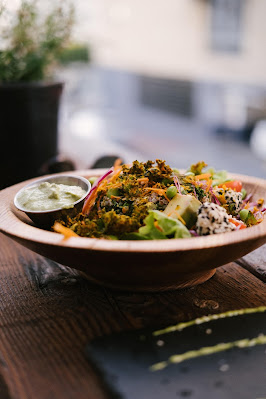
Vegan Spaghetti Aglio e Olio
This simple Italian-inspired pasta dish uses garlic, olive oil and fresh parsley to create a flavourful meal with very few ingredients. It’s a convenient option for busy evenings.
Ingredients
- 200 g spaghetti (check the label to ensure it is egg-free)
- 3–4 garlic cloves, thinly sliced
- 3 tablespoons olive oil
- 2 tablespoons chopped fresh parsley
- A small pinch of salt
- Red pepper flakes (optional)
Instructions
- Bring a large pot of water to a boil and cook the spaghetti according to the packet instructions until tender.
- Reserve a little pasta water before draining.
- Heat olive oil in a pan over low heat.
- Add the sliced garlic and cook gently until fragrant and lightly golden. Avoid burning it.
- Add the cooked spaghetti and toss gently.
- Add a splash of reserved pasta water if needed to help coat the spaghetti.
- Stir in parsley and serve warm.
Tips for Parents
- Skip the red pepper flakes when preparing food for children who prefer mild flavours.
- Add cooked peas, mushrooms or finely chopped vegetables for variety.
- Cut spaghetti into manageable lengths for younger children and supervise mealtimes.
- Serve with a side of beans, lentils or another protein-rich food to make the meal more balanced.
Why families may enjoy it: This recipe is quick, uses simple pantry ingredients and can be adapted with vegetables your family already enjoys.
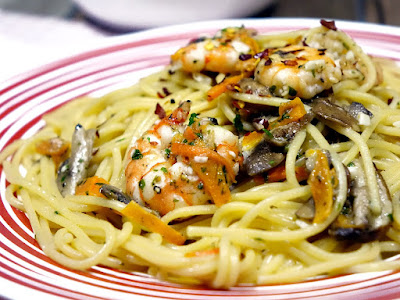
Vegan Chocolate Banana Smoothie
Looking for a quick chocolate-flavoured treat? This banana smoothie combines cocoa, plant-based milk and peanut butter for a creamy drink that can be enjoyed as part of a balanced snack.
Ingredients
- 1 ripe banana, preferably frozen
- 1 cup unsweetened, calcium-fortified soy milk or another suitable fortified plant milk
- 1 tablespoon unsweetened cocoa powder
- 1 tablespoon smooth peanut butter
- ½ teaspoon vanilla extract (optional)
- 1 teaspoon maple syrup (optional)
Instructions
- Peel and slice the banana.
- Add the banana, plant-based milk, cocoa powder and peanut butter to a blender.
- Add vanilla extract and maple syrup if desired.
- Blend until smooth and creamy.
- Pour into glasses and serve immediately.
Tips for Parents
- A ripe banana usually provides enough sweetness, so taste before adding maple syrup.
- Add a little more milk if you prefer a thinner consistency.
- Use a suitable alternative to peanut butter if there is a peanut allergy.
- For younger children, offer an age-appropriate serving in an open cup with supervision.
Why families may enjoy it: Bananas provide natural sweetness, while cocoa adds flavour. Fortified soy milk can contribute protein and calcium.
Important: Check plant milk labels for fortification and suitability. Smoothies should not replace breast milk or infant formula for babies under 12 months. Peanut butter is an allergen and should only be offered in an age-appropriate form if suitable for the child.

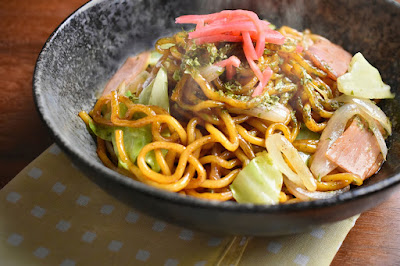
Vegan Stir-Fried Noodles
These colourful vegetable noodles are perfect for busy evenings when you want something quick, flavourful and easy to customise. You can use vegetables already available in your refrigerator.
Ingredients
- 200 g rice noodles
- 1 cup mixed vegetables (carrots, bell peppers and broccoli)
- 1 tablespoon sesame oil
- 1 garlic clove, finely minced
- 1 tablespoon low-sodium soy sauce
- 1 teaspoon lemon juice (optional)
- 1 tablespoon chopped spring onion (optional)
Instructions
- Cook the rice noodles according to the packet instructions. Drain and set aside.
- Heat sesame oil in a large pan or wok.
- Add the minced garlic and sauté briefly until fragrant.
- Add the chopped vegetables and stir-fry until tender but still slightly crisp.
- Add the cooked noodles and soy sauce.
- Toss gently until everything is evenly combined.
- Finish with lemon juice and chopped spring onion, if desired.
- Serve warm.
Tips for Parents
- Cut vegetables into age-appropriate pieces and cook them until soft enough for younger children.
- Use mild seasoning and avoid adding chilli when preparing children’s portions.
- Add tofu or edamame for additional plant protein.
- Check the soy sauce and noodle labels for ingredients and allergens.
Why families may enjoy it: Rice noodles cook quickly, while colourful vegetables add variety. Adding tofu or another protein-rich ingredient can make this a more balanced meal.
Allergy note: Soy and sesame are common food allergens. Use suitable alternatives if needed.
 .
-
Vegan Chocolate Chip Cookies
Who doesn’t enjoy a homemade cookie? These vegan chocolate chip cookies are easy to prepare and make a lovely occasional treat for the family.
Ingredients
- 1 cup all-purpose flour
- ⅓ cup coconut sugar
- ¼ cup melted coconut oil
- ¼ cup unsweetened plant-based milk
- ½ teaspoon baking soda
- ½ teaspoon vanilla extract
- ½ cup vegan chocolate chips
Instructions
- Preheat the oven to 175°C (350°F).
- Line a baking tray with baking paper.
- In a mixing bowl, combine the flour, coconut sugar and baking soda.
- Add the melted coconut oil, plant-based milk and vanilla extract.
- Mix until a soft cookie dough forms.
- Fold in the vegan chocolate chips.
- Place small portions of dough on the prepared tray, leaving space between them.
- Bake for 10–12 minutes, until the edges are lightly golden.
- Allow the cookies to cool on the tray for a few minutes before transferring them to a cooling rack.
Tips for Parents
- Avoid overmixing the dough, as this can make the cookies dense.
- Check that the chocolate chips are dairy-free.
- Store completely cooled cookies in an airtight container.
- Offer cookies as an occasional treat rather than an everyday substitute for more nutritious snacks.
Why families may enjoy it: Homemade cookies allow you to choose the ingredients and adjust the sweetness to suit your family’s preferences.
Allergy note: Check labels for wheat, soy and other allergens. For children, serve an age-appropriate portion and supervise eating.

-
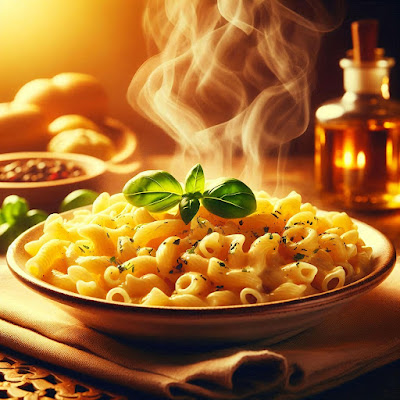
Creamy Vegan Mac and Cheese
Creamy, comforting and full of flavour, this vegan mac and cheese is a family-friendly alternative to the traditional version. Its smooth sauce uses potatoes, carrots and cashews instead of dairy.
Ingredients
- 2 cups elbow macaroni (check that it is egg-free)
- 1 cup peeled and diced potatoes
- ½ cup peeled and diced carrots
- ¼ cup raw cashews, soaked and drained
- ¼ cup nutritional yeast
- ½ cup unsweetened plant-based milk
- 1 tablespoon lemon juice
- ½ teaspoon garlic powder
- ½ teaspoon onion powder
- ¼ teaspoon turmeric powder (optional)
- A small pinch of salt
- Black pepper to taste (optional)
- Chopped parsley for garnish (optional)
Instructions
- Cook the macaroni according to the packet instructions. Drain and set aside.
- Place the diced potatoes and carrots in a saucepan of water.
- Boil for approximately 10–12 minutes, or until completely tender.
- Drain the vegetables and transfer them to a blender.
- Add the soaked cashews, nutritional yeast, plant-based milk, lemon juice, garlic powder, onion powder and turmeric.
- Blend until the sauce becomes completely smooth and creamy.
- Pour the sauce into a saucepan and warm gently, stirring occasionally.
- Add the cooked macaroni and mix until evenly coated.
- Garnish with parsley and serve warm.
Tips for Parents
- Add cooked peas, finely chopped spinach or broccoli for extra variety.
- Adjust the sauce consistency with a little more plant-based milk.
- If your child prefers a milder flavour, reduce the garlic and onion powder.
- Check that the nutritional yeast is suitable for your dietary requirements.
Why families may enjoy it: Potatoes and carrots create a naturally creamy sauce, while cashews contribute healthy fats and some plant protein.
Allergy note: Cashews are tree nuts and must be avoided by anyone with a relevant allergy. Use an appropriate alternative if needed. Nutritional yeast is not necessarily fortified with vitamin B12, so check its label rather than relying on it as a B12 source.
Important Nutrients to Consider in a Vegan Diet for Children
Plant-based meals can offer a variety of nutritious ingredients, but children have specific nutritional needs as they grow. A vegan diet needs thoughtful planning to ensure that children receive enough energy, protein, vitamins and minerals.
Here are some nutrients parents should pay attention to:
Vitamin B12
Vitamin B12 is essential for healthy nerve function and red blood cell formation. It is not naturally available in reliable amounts in most unfortified plant foods.
Suitable fortified foods and an age-appropriate B12 supplement may be needed. Discuss supplementation with your child’s healthcare professional.
Iron
Iron supports healthy growth and helps carry oxygen around the body.
Plant sources include:
- Lentils
- Chickpeas
- Beans
- Tofu
- Fortified cereals
Serve iron-rich foods alongside vitamin C sources such as tomatoes, oranges or lemon to help improve iron absorption.
Calcium
Calcium supports the development of strong bones and teeth.
Useful sources include:
- Calcium-fortified plant milk
- Calcium-set tofu
- Sesame and tahini
- Certain green vegetables
Vitamin D
Vitamin D helps the body absorb calcium and supports bone health. Dietary sources may be limited in vegan diets, so parents should ask their healthcare professional whether supplementation is appropriate.
Protein
Protein supports growth and tissue development.
Include a variety of foods such as:
- Lentils and beans
- Chickpeas
- Tofu and soy products
- Nut and seed butters, served safely according to the child’s age
Iodine and Healthy Fats
Iodine supports normal thyroid function, while healthy fats are important for growth and development.
Suitable sources and requirements vary, so discuss these nutrients with a registered dietitian or paediatrician rather than relying on assumptions about plant-based foods.
A note for parents: A fully vegan diet for infants and children requires careful professional planning. Breast milk or suitable infant formula remains essential during infancy, and ordinary plant-based drinks are not substitutes for infant formula. Consult a paediatrician or registered dietitian familiar with vegan nutrition to plan your child’s diet and supplements.
For more information about planning balanced plant-based diets, parents can refer to the NHS guide to vegetarian and vegan diets for children.
Meal Planning Tips for Busy Parents
Preparing family meals every day can feel demanding, especially when you have work, school routines and other responsibilities to manage. A little planning can make vegan cooking easier and reduce last-minute stress.
Here are some simple ideas:
Plan a Few Meals in Advance
Choose three or four recipes from this list for the coming week. Make a shopping list so you have the ingredients ready.
Prepare Basic Ingredients Ahead
Cook a batch of lentils, chickpeas or quinoa and refrigerate or freeze them safely in suitable portions. These ingredients can be used in soups, bowls and sandwiches.
Keep Frozen Vegetables Handy
Frozen peas, carrots, broccoli and other vegetables can save preparation time and make it easier to add variety to family meals.
Involve Children in Age-Appropriate Tasks
Children can help wash vegetables, mash bananas, stir ingredients or arrange toppings under adult supervision. These activities can make cooking an enjoyable family experience.
Make Simple Ingredient Swaps
Use brown rice instead of quinoa, seasonal vegetables instead of broccoli or beans instead of chickpeas. You don’t need to follow every recipe exactly.
Store Food Safely
Refrigerate cooked food promptly in covered containers. Keep raw and cooked foods separate, follow safe storage guidance and reheat leftovers thoroughly.
A helpful reminder: Meal planning should make family life easier, not create another demanding routine. Start small and choose recipes your family genuinely enjoys.
Frequently Asked Questions About Easy Vegan Recipes
What are the easiest vegan meals for beginners?
Avocado toast, banana pancakes, chickpea sandwiches, lentil soup and vegetable noodles are simple options for anyone starting with plant-based cooking.
Can children enjoy vegan meals?
Yes. Children can enjoy a variety of plant-based meals when the food is suitable for their age, preferences and nutritional needs. A fully vegan diet for children requires careful planning with professional guidance.
What can I use instead of dairy milk in vegan recipes?
Unsweetened, fortified soy milk, oat milk and other plant-based drinks can be used in many recipes. Their protein and nutrient content varies, so check the labels.
How can I add protein to vegan family meals?
Include foods such as lentils, chickpeas, beans, tofu and suitable nut or seed butters. Combining different plant foods throughout the day helps provide a variety of nutrients.
Can vegan meals be prepared in advance?
Yes. Soups, cooked lentils, chickpeas and some sauces can be prepared ahead and stored safely. Refrigerate promptly and follow appropriate food-storage guidance.
Do children following a vegan diet need supplements?
Some nutrients, particularly vitamin B12, may require supplementation. Other supplements may also be needed depending on the child’s diet and individual needs. Consult a paediatrician or registered dietitian for personalised advice.
The American Academy of Pediatrics also provides guidance on vegetarian and vegan diets for children. Explore its nutrition guidance for vegetarian children.
Conclusion: Making Vegan Cooking Simple for the Whole Family
Eating more plant-based meals doesn’t have to mean complicated recipes, expensive ingredients or hours in the kitchen.
With a little creativity and planning, everyday ingredients such as lentils, chickpeas, vegetables, fruits, oats and whole grains can become delicious meals that the entire family can enjoy.
These 10 easy vegan recipes for beginners are a starting point. Experiment with flavours, involve your children in age-appropriate kitchen activities and discover which dishes become family favourites.
Remember that children’s nutritional needs are different from adults’. If your child follows a fully vegan diet, seek professional guidance to ensure their meals and supplements support healthy growth and development.
Healthy family cooking is not about perfection. It’s about making thoughtful food choices, one meal at a time.
We’d Love to Hear From You!
Which of these 10 vegan recipes would your family enjoy trying first? Do you have a favourite plant-based meal that makes busy weekdays easier?
Share your ideas in the comments!
Happy Cooking and Parenting! ❤️