

Introduction
Parenting today feels like walking a tightrope. Amidst so many ideologies, methods of parenting, have u heard about Tiger parenting? Is it Creating successful kids or silent struggles?
On one side, there’s the pressure to raise successful, disciplined children.
On the other, the need to nurture happy, emotionally secure individuals.
Somewhere in between lies a controversial style called Tiger Parenting—a method that promises success but often raises an important question:
👉 Are we building achievers… or silently stressed children?
Let’s explore this deeply.
What Is Tiger Parenting?
The term “tiger parenting” became widely known after Amy Chua’s book Battle Hymn of the Tiger Mother. It generally describes a parenting approach that places strong emphasis on achievement, discipline, and high expectations, particularly in academics and other structured activities.
Tiger parenting can involve:
- High expectations for a child’s performance
- Strong emphasis on discipline and achievement
- Closely structured routines and activities
- Limited freedom in some areas of a child’s life
However, not every strict or structured parent is a “tiger parent,” and parenting approaches can vary greatly from family to family.
The important question is not simply whether parents set high expectations. It is how those expectations are communicated and balanced with warmth, encouragement, listening, and emotional support.
A Real Classroom Story (From Experience)
Let me share something I personally observed as an educator, because you may recognize similar situations in your own parenting journey.
A child in my class consistently scored very well. She participated actively in academics and co-curricular activities and appeared highly capable. But whenever she had to speak on stage, she would sometimes freeze.
It wasn’t necessarily a lack of knowledge. From what I observed, she seemed particularly worried about making mistakes.
As I got to know more about her experience, I learned that her parents placed very high expectations on her. Small mistakes were often corrected, perfection was strongly valued, and comparisons with other children were common.
She was doing extremely well on paper, but she did not always appear equally confident when she was afraid of getting something wrong.
This experience made me reflect on an important question:
Can high expectations help a child grow while too much pressure makes them afraid to fail?
Of course, one classroom observation cannot tell us exactly why a child behaves in a particular way. Every child’s personality, family environment, temperament, and experiences are different.
But it reminded me that achievement and emotional confidence are both important parts of a child’s development.

Later, I discovered:
👉 Her parents corrected every small error
👉 Praised only perfection
👉 Compared her constantly
She was a perfect student… but not a confident child.may be the reason was “Tiger parenting”.
Why Do Parents Become “Tiger Parents”?
Most parents don’t set out to put excessive pressure on their children. Often, their intentions come from love, concern, or a desire to prepare their child for a competitive world.
Parents may adopt a highly demanding approach because of:
- Fear of competition: They worry that their child may struggle if they are not well prepared.
- Desire for success: Some parents want their children to have opportunities they may not have had themselves.
- Social pressure: Comparisons with relatives, neighbours, classmates, or peers can sometimes influence parenting decisions.
- Personal experience: Parents may repeat the parenting style they experienced while growing up because it feels familiar.
- Belief that strictness builds discipline: Some parents believe that firm rules and high expectations are the best way to develop responsibility and achievement.
High expectations and clear boundaries can certainly be part of healthy parenting. The concern arises when pressure, criticism, or control consistently outweigh encouragement, flexibility, and emotional connection.
That distinction is important: discipline and high expectations are not automatically harmful; the way they are communicated and balanced matters.
What Can Parents Learn From the Structured Side of Tiger Parenting?
It is also important not to assume that every practice associated with tiger parenting is harmful. Clear expectations, consistent routines, and encouragement to work toward goals can be useful parenting tools when they are balanced with warmth, flexibility, and emotional support.
Consistent Routines
Children can benefit from predictable routines and age-appropriate responsibilities. These can help them practise:
- Time management
- Consistency
- Following through on responsibilities
The goal is not to control every part of a child’s day, but to provide enough structure for children to know what is expected of them.
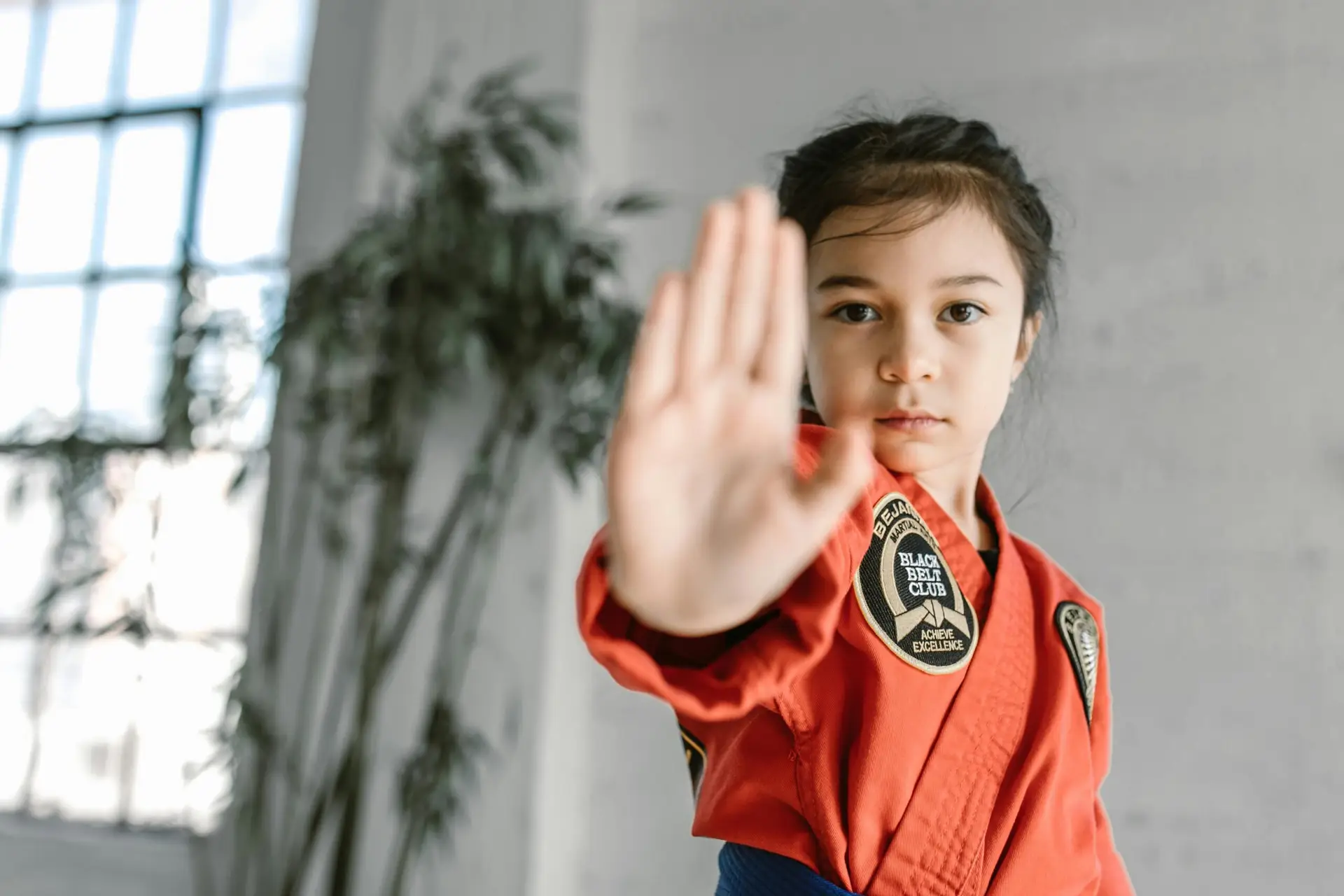
Encouragement to Work Toward Goals
Parents can encourage children to practise and develop their skills in academics, music, sports, or other interests.
High expectations alone, however, do not guarantee better achievement. Research on Chinese American families has found that supportive parenting was associated with stronger developmental outcomes than the tiger parenting profile studied.

Developing Persistence
When children are supported in working through age-appropriate challenges, they may have opportunities to practise persistence and problem-solving.
The key difference is support versus pressure. Encouraging a child to keep trying is different from making the child feel that mistakes or lower performance are unacceptable.

When High Expectations Become Too Much
High expectations are not automatically harmful. The concern is what happens when pressure, criticism, or control become so strong that a child has little room to make mistakes, express feelings, or develop independence.
Some children may respond to this kind of environment in different ways.
1. Fear of Failure
A child who feels that mistakes are unacceptable may become hesitant to try something unfamiliar.
Instead of thinking, “Let me give it a try,” the child may worry, “What if I get it wrong?”

2. Pressure Around Achievement
When achievement receives most of the attention, children may begin to feel that their worth is closely connected to their performance.
This does not happen to every child, but persistent academic or performance pressure can affect a child’s emotional wellbeing.

3. Reduced Independence
When parents make most decisions for a child, the child may have fewer opportunities to practise decision-making and learn from age-appropriate mistakes.

4. Strained Communication
If children expect criticism whenever they share a problem or make a mistake, they may become less willing to talk openly with their parents.
Over time, this can make it harder for parents and children to understand each other’s experiences.
5. Less Freedom to Explore
Children need opportunities to explore interests, try new activities, and discover what they enjoy.
A highly controlled schedule may leave less room for curiosity, creativity, rest, and unstructured play.

The important point: these outcomes are not guaranteed, and one parenting practice does not determine a child’s development. Children respond differently depending on temperament, family relationships, culture, and many other factors.
What Does Research Say About Tiger Parenting?
Research suggests that tiger parenting is more complicated than the popular stereotype of simply pushing children to succeed.
An eight-year longitudinal study of 444 Chinese American families identified different parenting profiles, including supportive, tiger, easygoing, and harsh parenting. In that particular study, supportive parenting was associated with better developmental outcomes, while the tiger-parenting profile was associated with greater academic pressure and some less favourable outcomes.
However, these findings came from a specific Chinese American sample and should not be treated as a conclusion about every family or culture. Parenting practices and children’s responses can vary considerably.
The takeaway for parents is simple: high expectations can be balanced with warmth, communication, flexibility, and opportunities for children to develop independence.
Read the full study: Does “Tiger Parenting” Exist? Parenting Profiles of Chinese Americans and Adolescent Developmental Outcomes
Signs Your Parenting Style May Be Becoming Too Controlling
nstead of labeling yourself a “tiger parent,” use these questions as a gentle opportunity for self-reflection.
Ask yourself:
- Do I expect my child to perform at a very high level most of the time?
- Do I focus more on mistakes and results than on effort and progress?
- Is my child’s schedule so tightly controlled that there is little room for rest or free play?
- Do I frequently compare my child with siblings, classmates, relatives, or other children?
- Do I find it difficult to let my child make age-appropriate choices?
- Does my child seem afraid to tell me about mistakes or disappointments?
Answering “yes” to one or more questions doesn’t mean you are a bad parent or that you are automatically a tiger parent.
Instead, it can be an invitation to pause and ask:
“Could I keep my expectations while giving my child a little more warmth, flexibility, and independence?”
Tiger Parenting vs Balanced Parenting
HThe goal doesn’t have to be choosing between strictness and complete freedom.
A balanced approach can combine:
- Clear expectations — children know what is expected of them.
- Emotional support — children know they can make mistakes and still be loved and supported.
- Open communication — children can share their concerns, questions, and feelings.
- Age-appropriate independence — children have opportunities to make choices and take responsibility.
- Reasonable flexibility — routines and expectations can be adjusted when circumstances change.
This approach is often associated with authoritative parenting, which combines appropriate expectations with warmth and responsiveness.
The key difference is simple:
Discipline says, “I will guide you.”
Pressure says, “You must succeed.”
Children can benefit from guidance without feeling that their worth depends on achievement.
What Can Parents Do Instead?
Parents don’t have to completely reject structure, discipline, or high expectations.
Instead, the goal can be to combine reasonable expectations with warmth, encouragement, communication, and age-appropriate independence.
🌸 1. Replace Pressure with Guidance
Instead of repeatedly pressuring a child to perform better, try to understand what support they need.
Instead of:
❌ “You must get 100 marks.”
Try:
✅ “Let’s see how you can prepare well and do your best.”
The focus shifts from fear of failure to learning and effort.

🌸 2. Praise Effort, Not Just Results
IChildren benefit from knowing that their effort and progress matter—not only the final result.
Try saying:
“I noticed how much effort you put into this.”
This doesn’t mean ignoring achievement. It means helping children understand that learning and persistence are also valuable.

🌸3. Allow Room for Mistakes
Making mistakes is a normal part of learning.
When children are allowed to make age-appropriate mistakes and reflect on what happened, they can practise problem-solving and persistence.
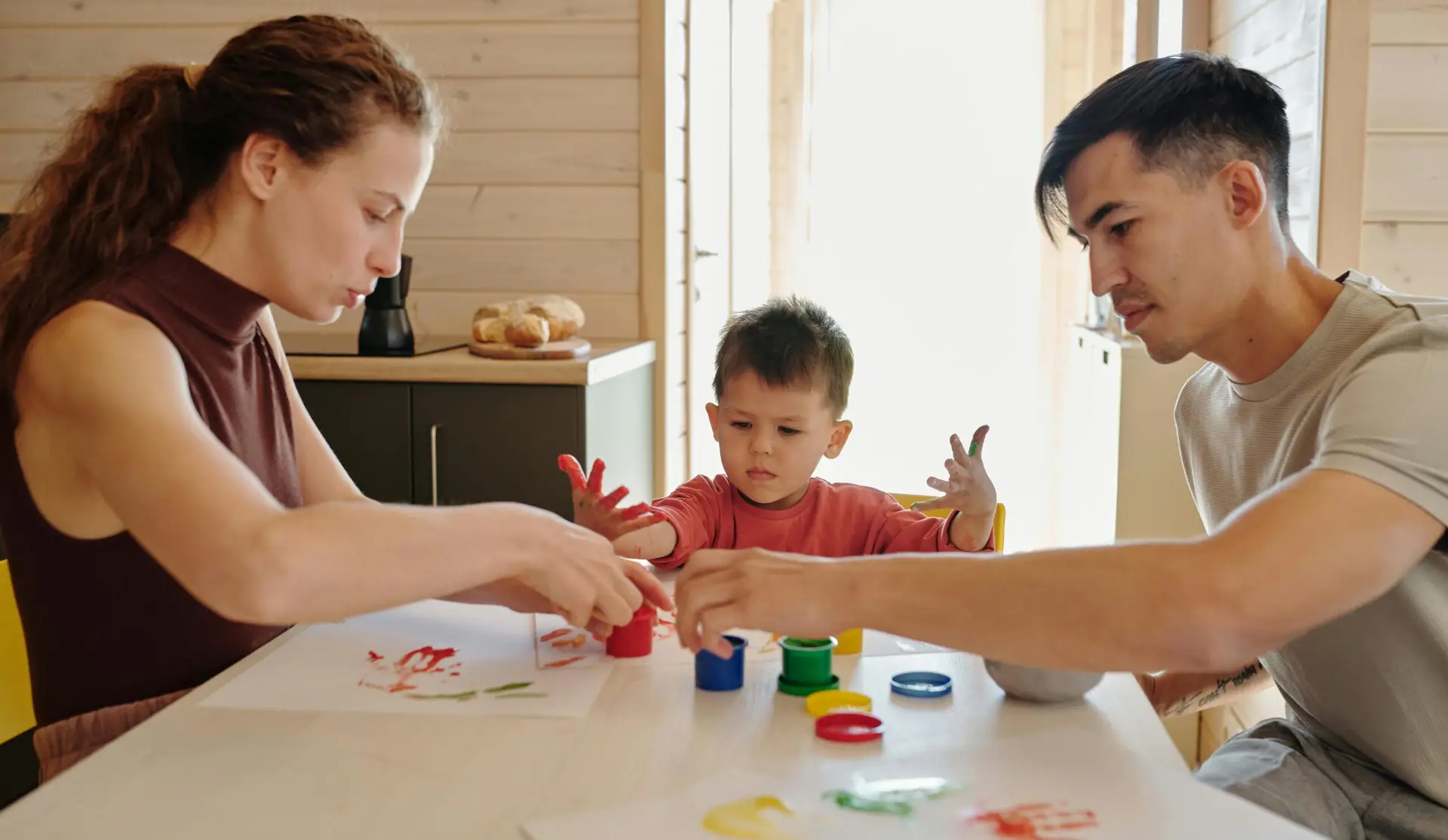
🌸 4. Build Emotional Connection
Academic achievement is only one part of childhood.
Make time for ordinary moments together:
- Talking
- Listening
- Laughing
- Sharing everyday experiences
A child should know that they can come to their parent not only with achievements, but also with worries and mistakes.

🌸5. Encourage Age-Appropriate Choices
Parents naturally want to make the best decisions for their children. But children also need opportunities to practise making choices.
Depending on their age, let them have a say in things such as:
- Hobbies
- Activities
- Books
- Clothing
- How they organise some of their free time
Giving children appropriate choices can help them gradually develop confidence and responsibility.

Helpful Resources for Parents
If you would like to explore this topic further, books and parenting resources about communication, emotional connection, and positive discipline can offer additional perspectives.
When choosing a parenting resource, look for approaches that encourage realistic expectations, open communication, emotional support, and age-appropriate independence.
Some links on this website may be affiliate links. If you purchase through an affiliate link, I may receive a small commission at no additional cost to you.
❤️ Tiger Parenting – Final Thoughts
Tiger Parenting — Final Thoughts
Tiger parenting is not simply a question of being right or wrong.
High expectations, structure, and discipline can have a place in parenting. But children also need warmth, encouragement, emotional connection, flexibility, and opportunities to develop independence.
Raising a child is about more than:
✔️ Marks
✔️ Medals
✔️ Achievements
It is also about helping children develop:
- Confidence
- Emotional security
- Responsibility
- Resilience
- The ability to handle challenges
The goal isn’t to remove every challenge from a child’s life—or to demand perfection.
It is to guide children while giving them enough support and space to grow into themselves.
A thought for parents
Before asking, “Is my child successful enough?”, perhaps we can sometimes ask:
“Does my child feel supported while they are learning and growing?”
That question can be a useful starting point for finding the balance between expectations and emotional connection.
What do you think about this article? Please post your comment below.
You may also find these parenting articles helpful:
- [What is FAFO Parenting? Does It Really Work?]
- [How to Teach Maturity and Responsibility to Kids]
- [Emotional Safety in Children]
Happy Parenting