
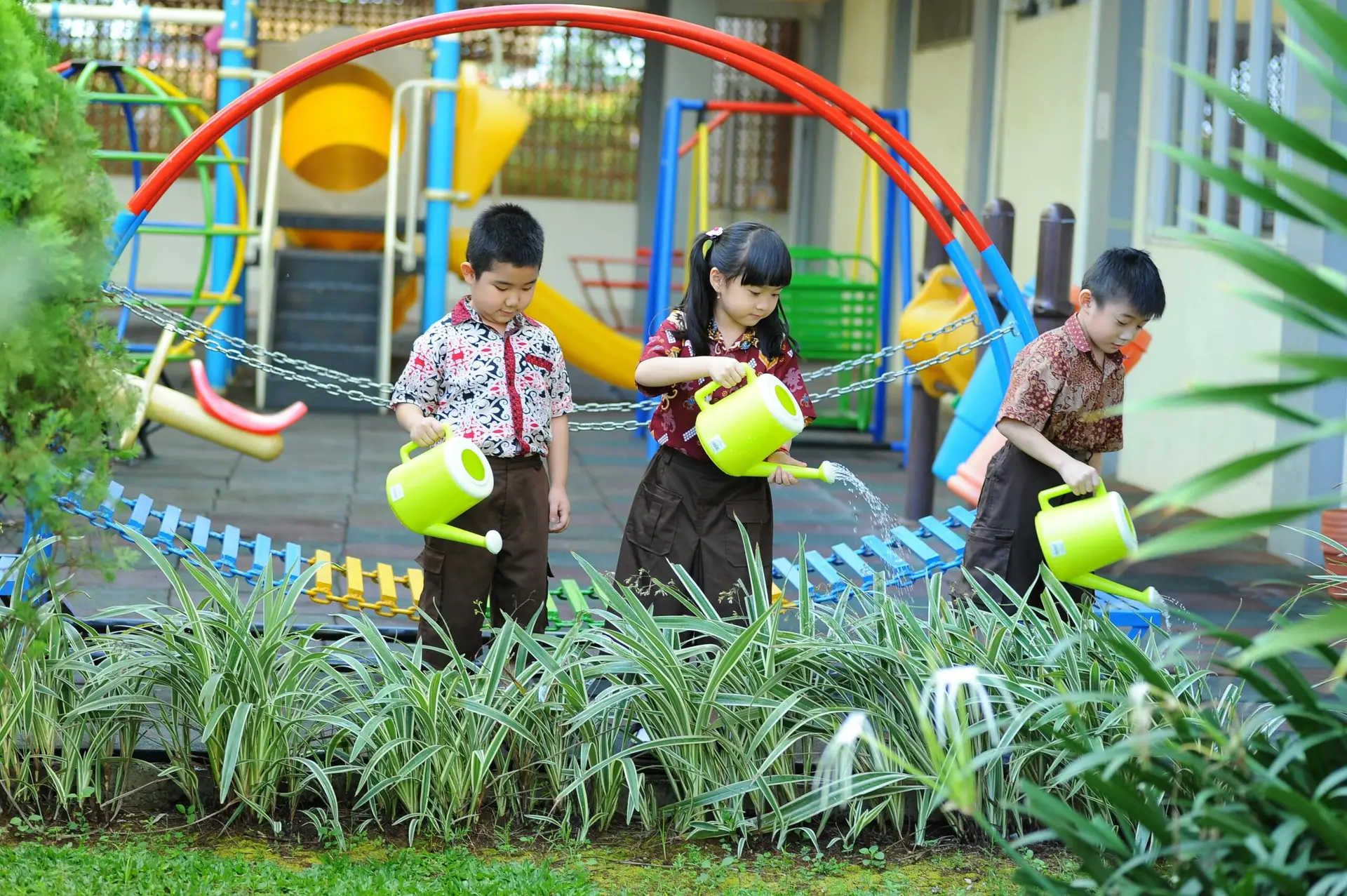
Introduction: The Real Parenting Struggle
Learning how to teach responsibility and maturity to kids starts with small, age-appropriate opportunities at home.
As parents, one of the important skills we want to nurture in our children is responsibility and maturity.
It often begins with a very simple request:
“Can you please put your toys away?”
And if you’ve ever received a dramatic “Nooo!” or complete silence in response, you’re certainly not alone. 😊
We naturally wonder:
Are we helping our children become responsible, or are we doing too much for them?
Responsibility and maturity develop gradually through everyday experiences. Children learn by being given age-appropriate responsibilities, making choices, experiencing reasonable consequences, and having opportunities to try things for themselves.
The good news is that you don’t need harsh discipline or constant reminders to begin.
Small, consistent opportunities in everyday family life can help children gradually build confidence, independence, decision-making skills, and a sense of responsibility.
In this article, let’s look at practical ways parents can encourage these skills while keeping expectations realistic for a child’s age and development.
What Do Responsibility and Maturity Really Mean?
Before teaching these skills, it helps to understand what we mean by them.
Responsibility means gradually learning to:
- Take ownership of age-appropriate tasks
- Understand that actions can have consequences
- Make simple decisions
- Follow through on commitments with appropriate support
- Take care of personal belongings and shared responsibilities
Responsibility is not about blind obedience, fear, or expecting children to do everything perfectly.
Maturity develops gradually too.
Depending on their age and development, children can learn to:
- Recognize and express their feelings
- Pause before reacting
- Consider how their actions affect others
- Handle age-appropriate challenges
- Ask for help when they need it
Maturity doesn’t mean expecting children to behave like adults. It means giving them opportunities to develop skills gradually, with guidance that matches their age and abilities.
That last sentence is particularly important for this article because it prevents parents from expecting too much from very young children.
Teaching Responsibility & Maturity: An Age-Wise Guide
As per UNICEF – Early childhood education Understanding what’s realistic for each age helps avoid frustration—for both you and your child.So before getting to know about how to teach responsibility and maturity to kids at a early age, lets see what its all about.
Children develop independence gradually, and the right responsibility depends on their age, abilities, temperament, and family circumstances.
The examples below are starting points—not rules that every child must meet at exactly the same age.
Toddlers (1.5–3 years)
With plenty of guidance and help, toddlers can begin to:
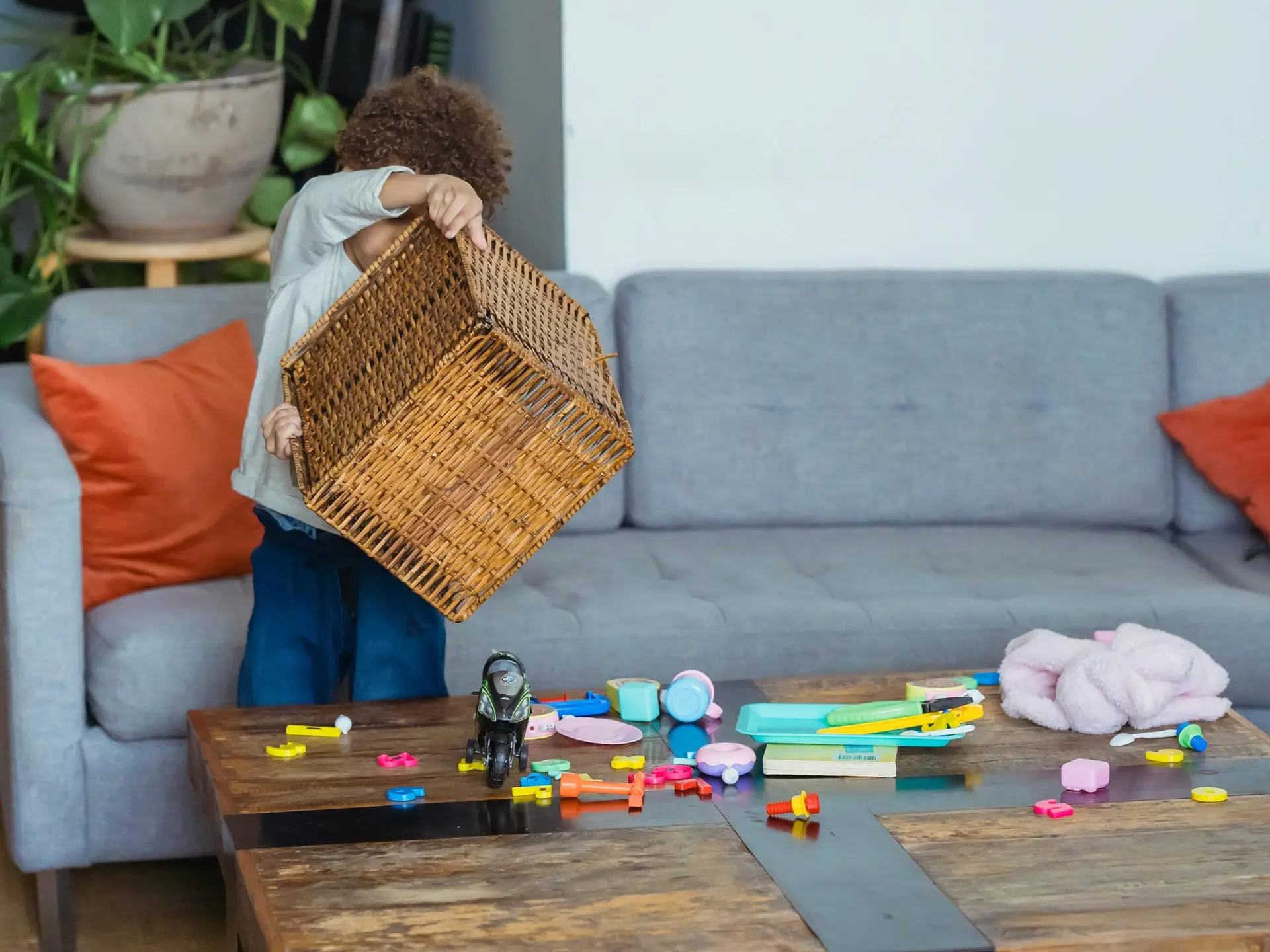
- Put toys into a basket
- Help carry safe, lightweight items
- Participate in simple daily routines
👉 Focus: Habits and participation, not perfection.
Preschoolers (3–5 years)
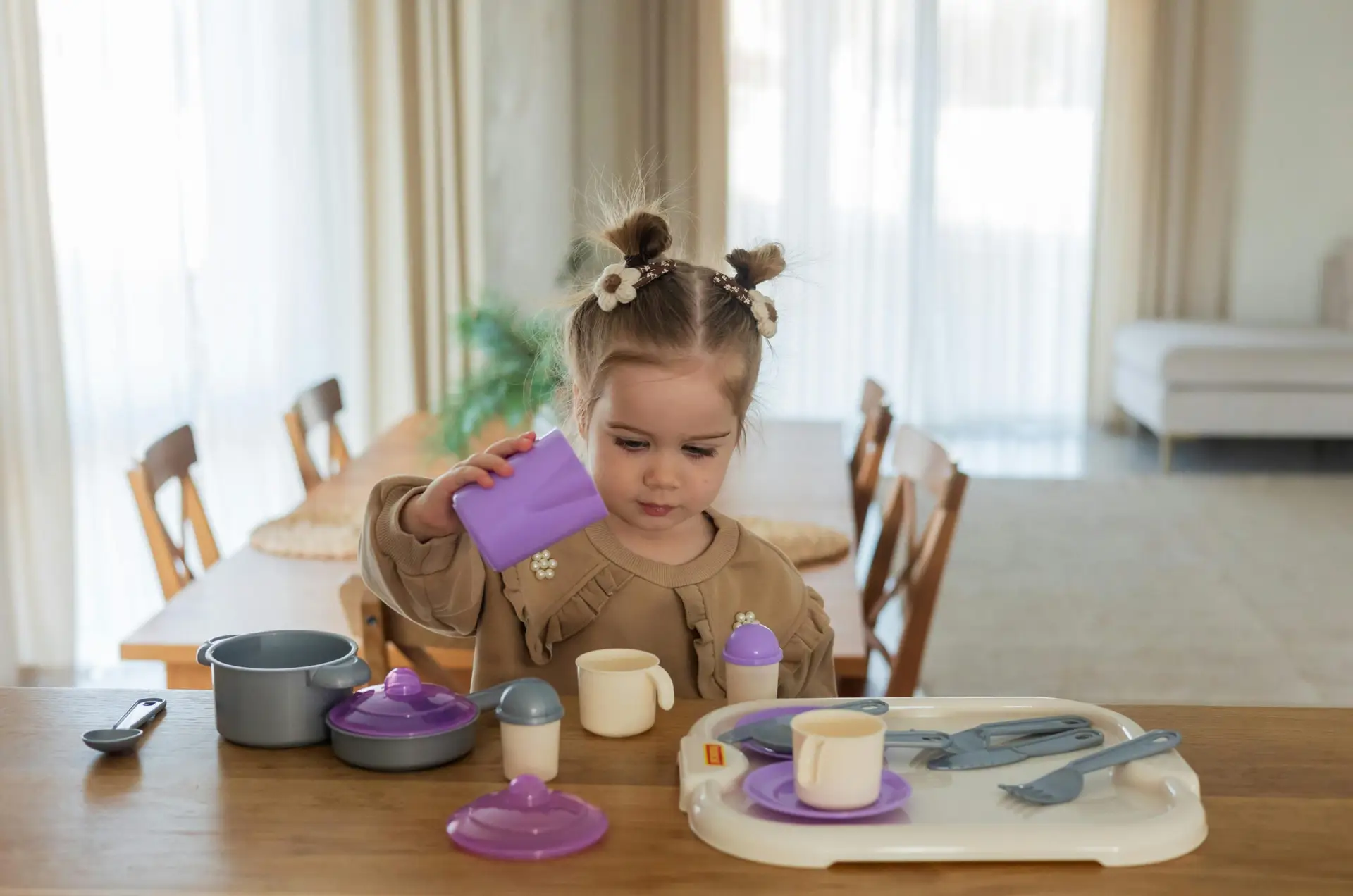
With supervision, preschoolers can begin to:
- Help set the table with simple, safe tasks
- Help pack their school bag
- Choose between appropriate clothing options
👉 Focus: Participation, choices, and gradually increasing independence
Early School Age (6–9 years)
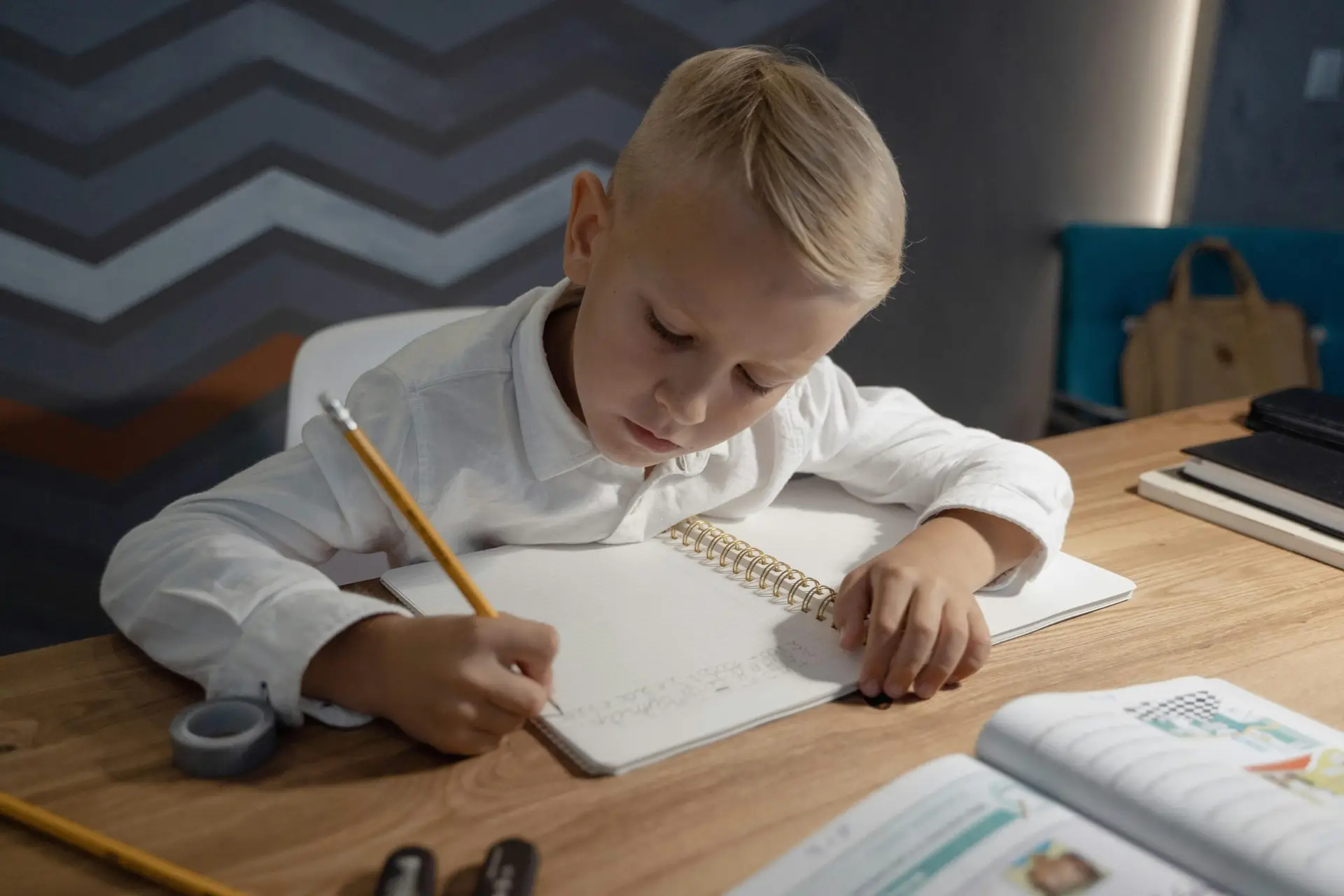
Depending on the child’s abilities, they may begin to:
- Take increasing responsibility for their homework routine
- Clean up after play
- Look after their belongings
- Help with simple household responsibilities
👉 Focus: Consistency, follow-through, and accountability.
Remember: A child may need reminders or assistance even when they are capable of doing a task independently. That’s part of learning.
10 Powerful Ways to Teach Responsibility & Maturity to kids
1. Start Small (Really Small!)
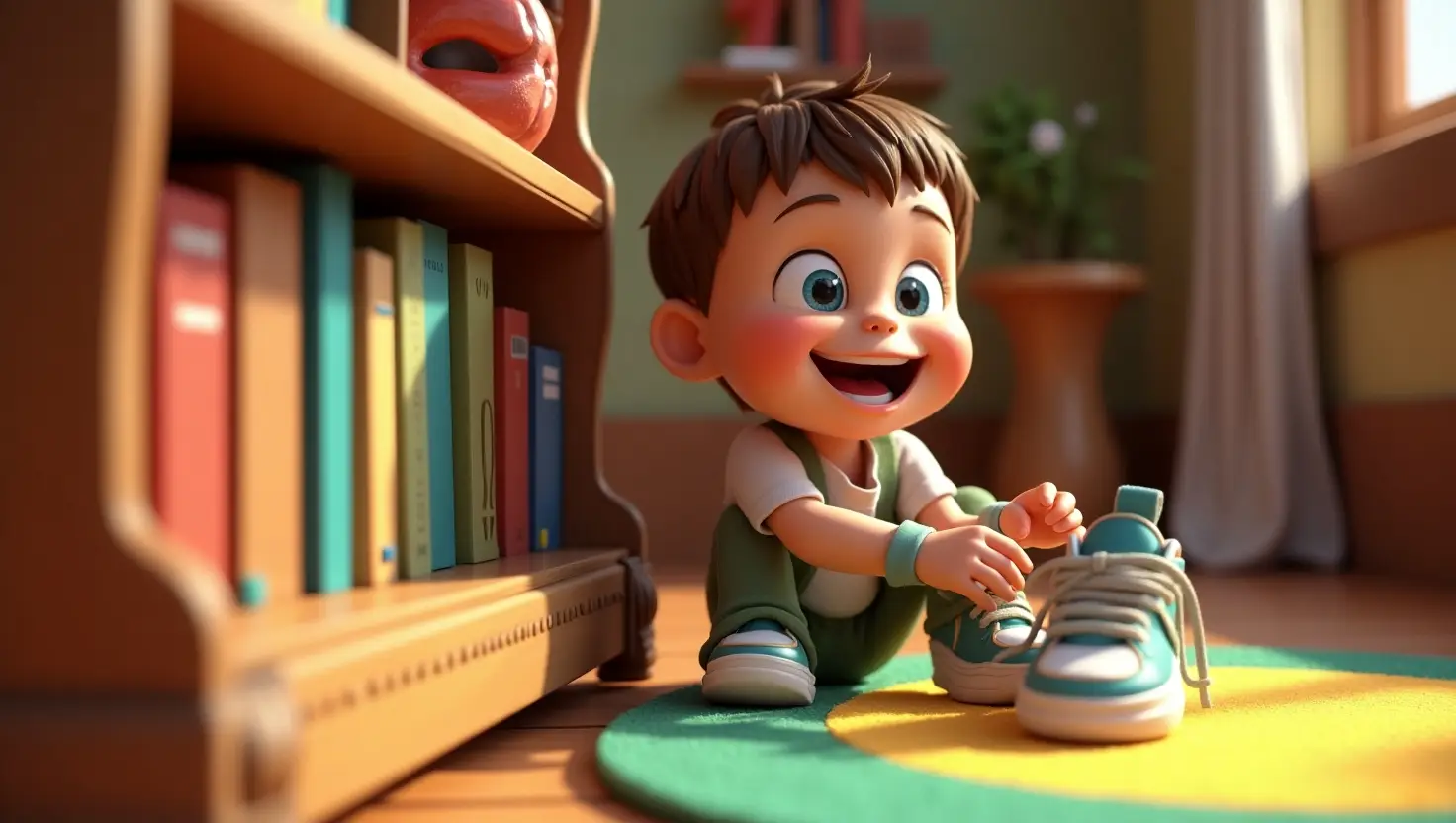
Instead of expecting big changes, begin with tiny tasks: perfection come with practice and small changes 1. Start Small
Responsibility develops through practice. Instead of expecting a child to suddenly manage several tasks independently, begin with one or two simple responsibilities that match their age and abilities.
For example:
- Putting shoes in their usual place
- Carrying their plate to the sink
- Putting toys away after play
Small, achievable tasks give children opportunities to practise responsibility without feeling overwhelmed.
👉 Small steps can build confidence over time.
2. Give Choices
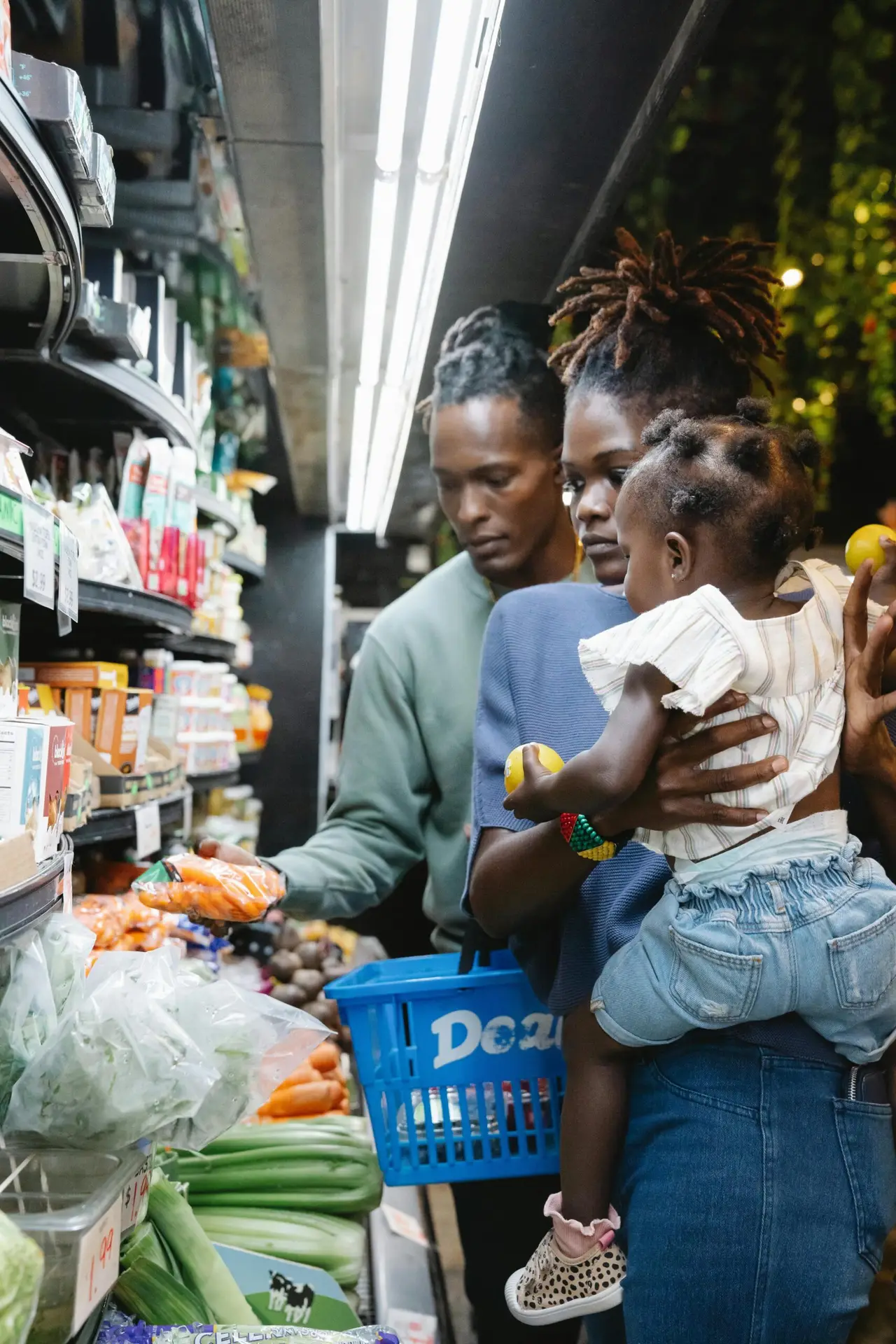
Parents naturally want to make good decisions for their children. But children also need opportunities to practise making age-appropriate choices.
Instead of:
❌ “Wear this now!”
Try:
✅ “Would you like the red shirt or the blue one?”
Simple choices can help children practise:
- Decision-making
- Independence
- Confidence
- Taking ownership of small decisions
The choices should be appropriate for the child’s age and within boundaries that parents are comfortable with.
3. Assign Simple Daily Responsibilities
Everyday routines can provide natural opportunities to practise responsibility.
Depending on age, children might:
- Put their toys away after playing
- Help make their bed
- Put school items in their usual place
- Help with simple household tasks
The aim isn’t to make a child responsible for everything. It’s to give them regular opportunities to contribute and practise doing things for themselves.
👉 Repetition and guidance can help these habits become more familiar over time.

4. Let Natural Consequences Teach
Children can learn from reasonable, age-appropriate consequences of their choices.
For example, if a child leaves a toy outside and it gets dirty, you can help them think about what happened and how they might care for it next time.
Natural consequences should always be safe and appropriate for the child’s age. They should never involve humiliation, fear, or putting a child in danger.
👉 The goal is learning—not punishment.

5. Give Them Opportunities to Do Things for Themselves
As parents, we often do things for our children because it is quicker, easier, or simply because we want to help.
But when we do every task for them, children may have fewer opportunities to practise independence.
Instead, when appropriate:
- Let them try first
- Offer guidance when needed
- Give them enough time to complete the task
- Step in when safety or genuine support requires it
It may take longer at first, but learning through practice is part of becoming more independent.
👉 Helping doesn’t mean doing everything for them.
6. Model Responsible Behavior
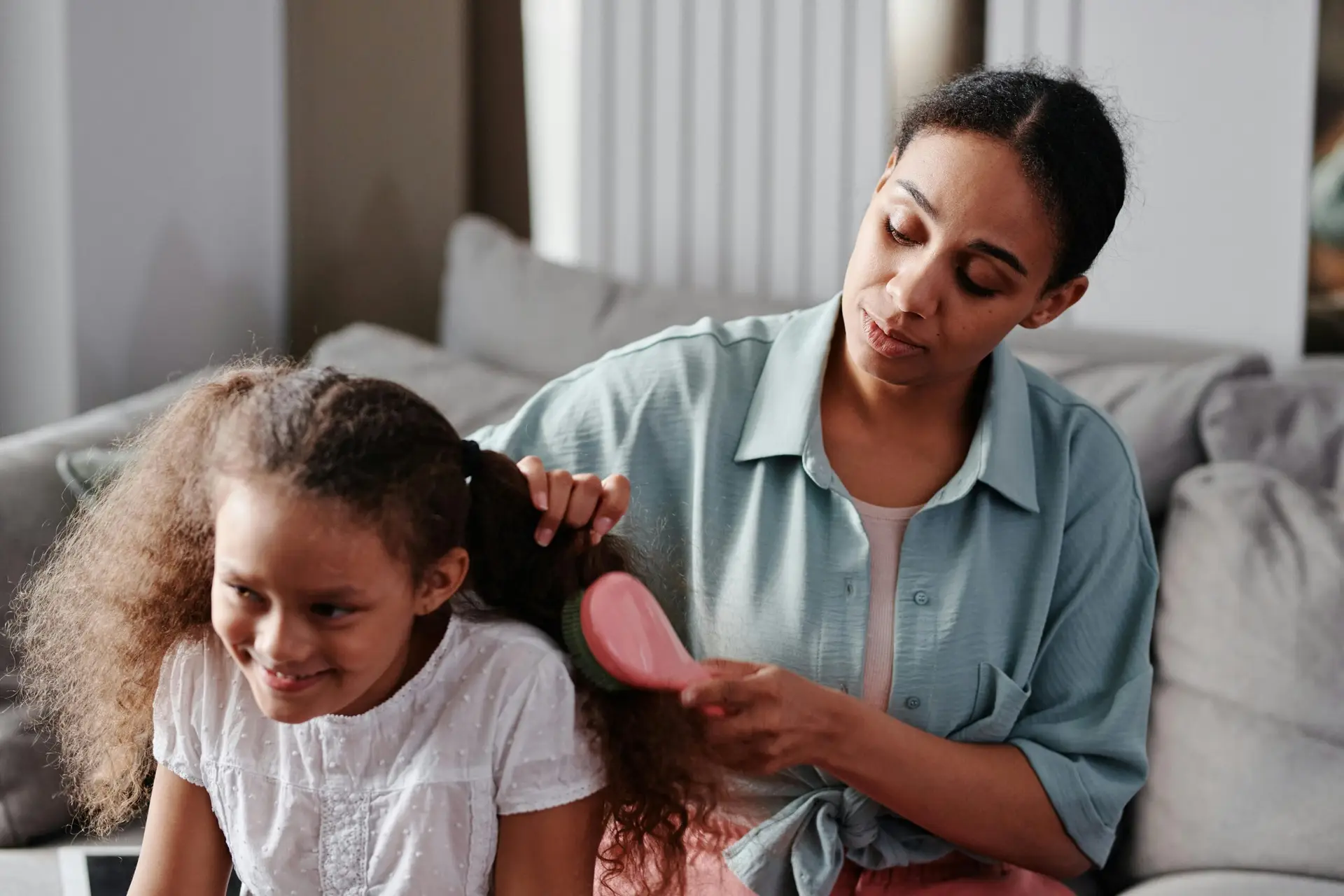
Children learn from observing the adults around them.
When children see parents:
- Keeping promises
- Managing their time
- Taking responsibility for mistakes
- Staying calm when possible
- Following through on commitments
they get everyday examples of what responsibility can look like.
You don’t need to be a perfect role model. Showing children how you handle mistakes and responsibilities honestly can be valuable too.

7. A Real-Life Parenting Moment
A mother once shared that she usually packed her 6-year-old’s school bag every morning because it was quicker and easier.
One day, she decided to step back and give her child more opportunity to participate.
At first, a few things were forgotten—books and a water bottle. Instead of immediately taking over, she used the experience as a chance to help her child check the school timetable and prepare for the next day.
With practice, the child began checking the timetable and packing more independently. The child also felt proud of being able to manage more of the routine.
Every child is different, but this experience reminded me of something I have seen many times as an educator: when we gradually step back and provide appropriate support, children get opportunities to practise responsibility for themselves.
8. Praise Effort and Progress, Not Perfection
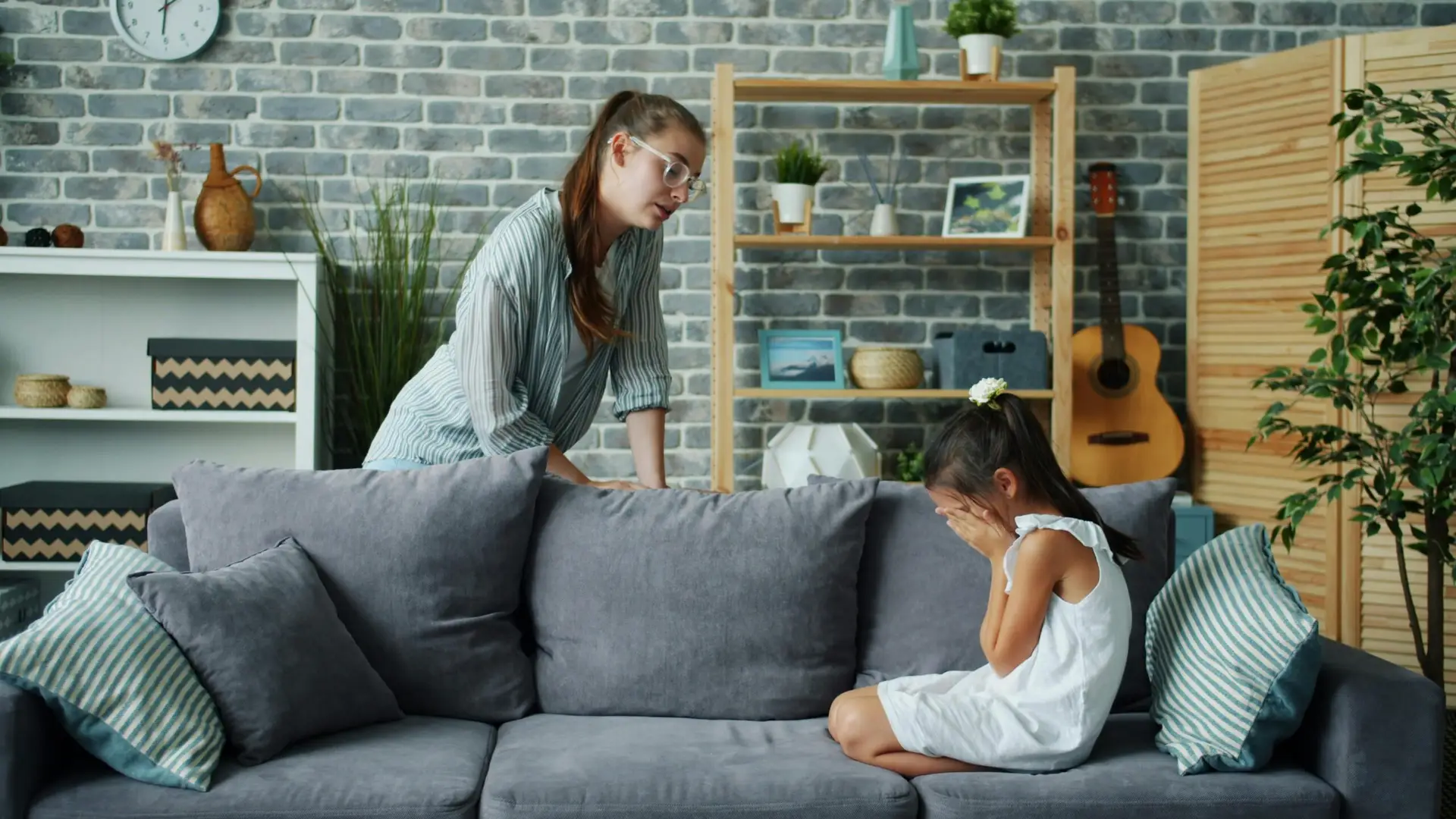
Instead of focusing only on whether a task was completed perfectly, notice the effort, persistence, and improvement your child is showing.
Instead of:
❌ “Good job, you did it perfectly!”
Try:
✅ “I noticed how much effort you put into cleaning up on your own.”
Recognizing effort and progress can encourage children to keep practising and feel more confident about learning new responsibilities.

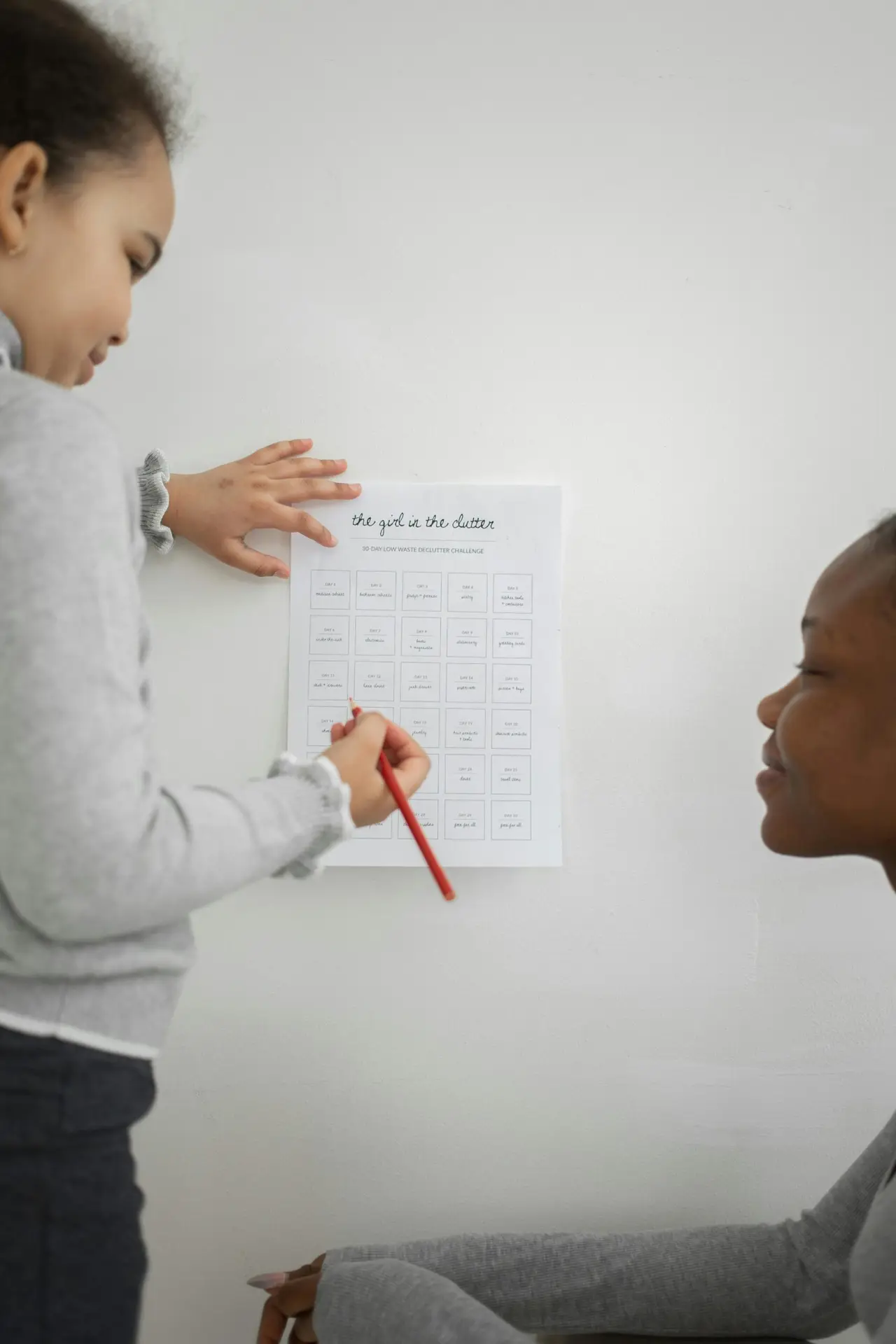
9. Create a Simple Responsibility Routine
Simple visual routines can help children understand what needs to happen next and gradually become more independent.
You could create:
- A simple morning checklist
- An evening routine
- A short list of weekly responsibilities
Keep the list appropriate for your child’s age. The goal is to provide support and consistency, not to turn the chart into a punishment system.
10. Be Patient and Consistent
Responsibility develops over time. Children may forget, resist, need reminders, or show uneven progress.
Try to:
- Repeat expectations calmly
- Model the task when necessary
- Give your child time to complete it
- Adjust the responsibility when it is too difficult
- Recognize progress along the way
Consistency does not mean repeating the same demand harshly. It means calmly returning to the routine and giving your child opportunities to practise.
Common Mistakes Parents Can Avoid
Even with the best intentions, parents can sometimes make responsibility harder to develop. Here are a few common patterns to watch for:
Doing Everything for Your Child
It may be quicker to pack the bag, tidy the room, or complete a task yourself. But children need opportunities to practise age-appropriate responsibilities.
Try this: Give your child a chance to try first, then offer help when needed.
Expecting Too Much Too Soon
Responsibility should match a child’s age, abilities, and individual development. A task that is easy for one child may be challenging for another.
Try this: Break larger responsibilities into smaller, manageable steps.
Repeating Reminders Constantly
Frequent reminders can sometimes become part of the routine, with children waiting for an adult to tell them what to do.
Try this: Use simple routines, visual checklists, and consistent expectations to encourage greater independence.
Punishing Instead of Teaching
Mistakes are part of learning. Harsh reactions may focus a child’s attention on avoiding punishment rather than understanding responsibility.
Try this: Explain what happened, discuss what could be done differently, and use safe, age-appropriate consequences when appropriate.
Remember: The goal is not to make children responsible overnight. It is to gradually help them understand expectations, practise skills, and take increasing ownership of age-appropriate tasks.
Conclusion: Teaching Responsibility and Maturity to Kids
Teaching responsibility and maturity is a gradual process. Children learn these skills through small choices, age-appropriate responsibilities, mistakes, and repeated practice.
As parents, we can support this process by:
- Giving children opportunities to try things for themselves
- Allowing reasonable, age-appropriate consequences
- Offering guidance without taking over
- Recognizing effort and progress
- Adjusting expectations as children grow
Every time a child makes a choice, completes a task, solves a small problem, or learns from a mistake, they are practising responsibility.
The goal isn’t to raise a child who never makes mistakes. It’s to help children gradually develop the confidence and skills to handle age-appropriate responsibilities with growing independence.
Frequently Asked Questions
At what age should I start teaching responsibility?
You can begin during the toddler years with simple, safe tasks such as putting toys away, carrying a lightweight item, or helping with simple routines. As children grow, responsibilities can gradually become more complex and should match their abilities.
How can I teach responsibility without punishment?
Use clear expectations, simple routines, age-appropriate choices, modelling, encouragement, and reasonable consequences. When mistakes happen, focus on helping the child understand what happened and what they can do differently next time.
Should I give my child chores every day?
Simple, age-appropriate responsibilities can become part of a child’s routine. The number and type of tasks should depend on the child’s age, abilities, and family circumstances. The goal is participation and learning rather than perfection.
💬 Call to Action
If this resonated with you, start small today:
👉 Give your child ONE responsibility and let them own it.
And if you found this helpful, share it with another parent who might need this reminder 💛
Please do check out my other articles about
Fafo-parenting-the-bold-new-trend-teaching-kids-responsibility
Why EQ is more important than IQ?
Happy Parenting!