
How to raise independent kids without being a strict parent is a question many parents quietly struggle with.
Raising independent kids does not require harsh parenting or constant control. Children can gradually develop responsibility, confidence and practical life skills when parents provide age-appropriate choices, clear boundaries and opportunities to try things for themselves.
Parenting can feel challenging, especially when we are trying to find the right balance between setting boundaries and giving children freedom. We want our children to grow into capable, responsible and confident individuals, while also protecting their emotional well-being.
What’s the good news?
I believe that fear and constant control are not the only ways to teach children responsibility and independence.
In my experience, children often become more willing to take responsibility when they are trusted, guided calmly and given age-appropriate opportunities to do things for themselves.
Modern parenting is shifting away from “Do as I say ” toward connection-based parenting. Parents everywhere are looking for ways to raise emotionally secure kids who can think for themselves, solve problems, and handle responsibilities without growing up fearful or dependent.
If you’ve ever wondered:
- How do I teach responsibility without yelling?
- Can gentle parenting create disciplined kids?
- How do I stop doing everything for my child?
This guide is for you.
Why Independence Matters in Childhood
Children naturally want opportunities to do things for themselves as they grow. Parents can encourage independence through small responsibilities, decision-making opportunities and emotionally supportive guidance.
When children are given age-appropriate opportunities to practise independence, they can develop skills such as:
- Confidence in their own abilities
- Decision-making skills
- Problem-solving skills
- Responsibility for everyday tasks
- Greater willingness to try new things
- The ability to handle age-appropriate challenges
Independence doesn’t mean leaving children on their own. It means teaching them to trust their abilities while knowing they are emotionally supported.
Think of it as giving roots and wings.
Common Parenting Mistakes That Reduce Independence
We all love our children, and out of love, many parents unintentionally do too much for them.
Sometimes we complete tasks that children could reasonably attempt themselves. We may:
- tie their shoes even when they can try,
- solve every little conflict,
- remind them constantly,
- clean up after them,
- speak for them,
- protect them from every small discomfort,
- or take over chores they are capable of doing.
These actions usually come from care, not from a desire to make children dependent. However, when adults regularly step in before children have a chance to try, children may have fewer opportunities to practise problem-solving and responsibility.
Over time, some children may become hesitant to try things independently or worry about making mistakes. Giving them safe opportunities to practise does not mean leaving them without support. It means being available while allowing them to take the next step themselves.
Gentle Parenting Strategies That Actually Work for Raising Independant kids
Gentle parenting does not mean:
- no rules,
- no discipline,
- saying yes to everything.
Instead, it means:
- respectful guidance,
- calm boundaries,
- teaching instead of controlling,
- encouraging problem-solving,
- allowing safe mistakes.
Children thrive when parents are warm and consistent.
Daily Habits That Make Kids More Responsible and Independent
1. Start Giving Small Responsibilities Early
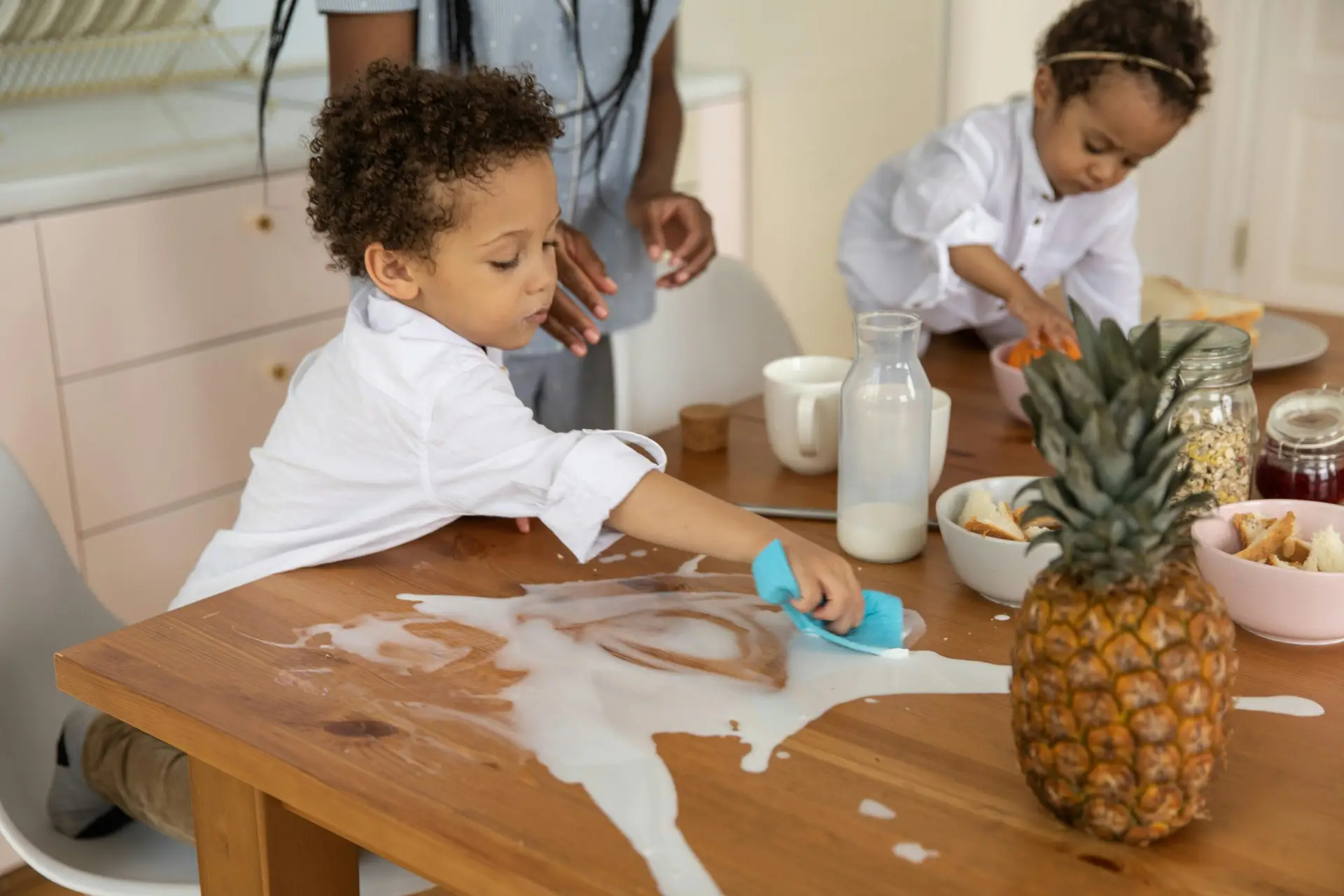
Children feel empowered when they contribute.Even toddlers enjoy helping when given simple tasks.
Children can begin practising independence through small, age-appropriate responsibilities. Even young children often enjoy being included in everyday family tasks when expectations are realistic and they are given encouragement.
Age-Appropriate Responsibilities
Ages 2–4
- Put toys away
- Carry their plate
- Water plants
- Choose between two outfits
Ages 5–7
- Pack school bag
- Make the bed
- Feed pets
- Help set the table
Ages 8–12
- Organize homework
- Prepare simple snacks
- Manage pocket money
- Help with laundry
The goal isn’t perfection. The goal is participation, practice and gradually increasing responsibility.
Suggested affiliated product:
2. Let Children Make Simple Decisions
Decision-making builds confidence.
Decision-making is an important part of becoming independent. When children are given small, age-appropriate choices, they can practise expressing preferences and thinking about simple consequences.
Try asking:
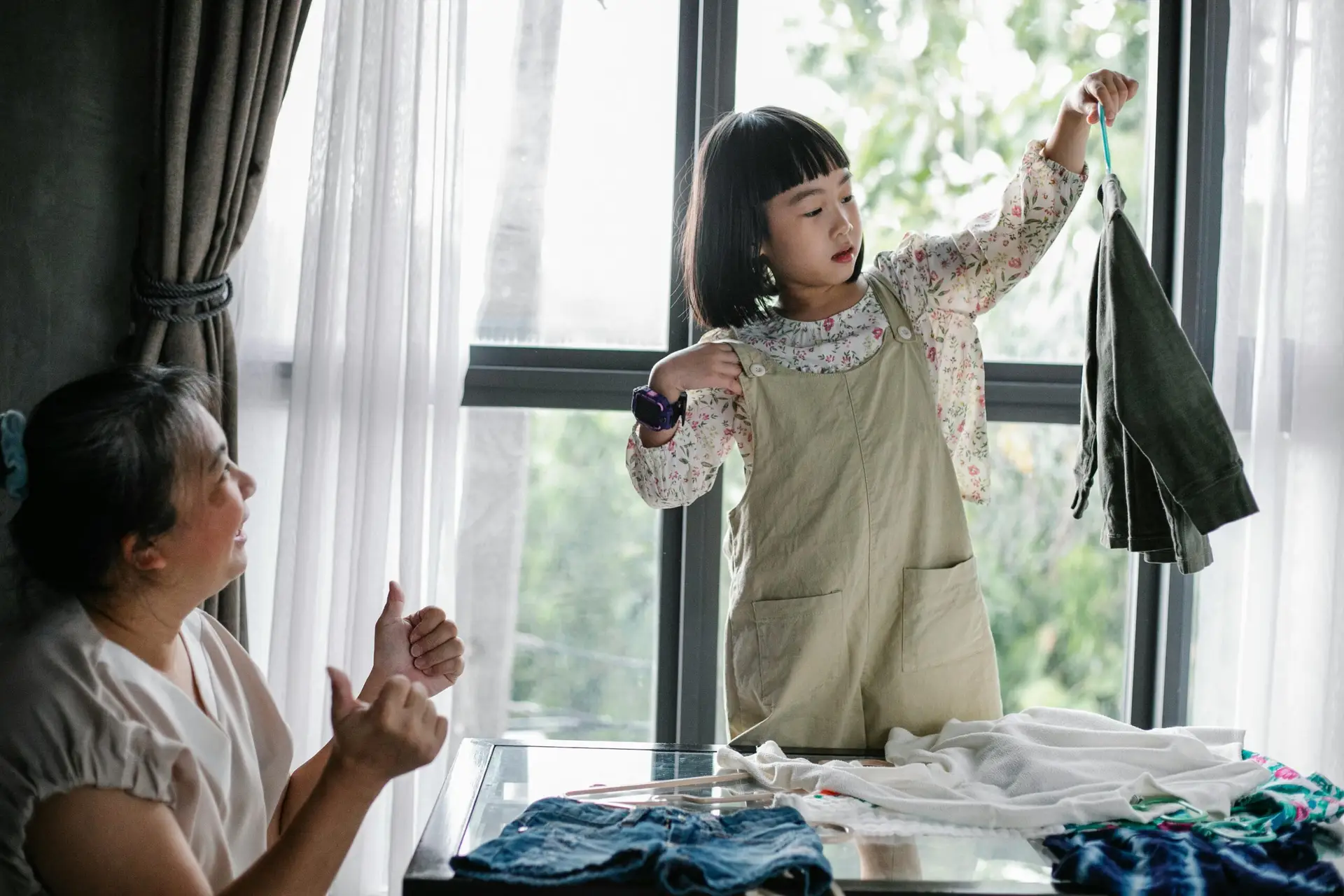
- “Would you like the blue shirt or the green one?”
- “Do you want homework before or after snack time?”
- “Which fruit should we buy today?”
- These small opportunities can help children practise:
- expressing their preferences,
- thinking about choices and consequences,
- communicating their opinions,
- taking responsibility for simple decisions.

3. Give Children Space to Try Before Stepping In
This can be hard for parents. When children struggle, our instinct is often to jump in and solve the problem for them. But when the situation is safe, giving children a little time to think and try can help them practise problem-solving and persistence.
If your child says:
“I can’t do this!”
Instead of solving it immediately, try:
- “Let’s think about it together.”
- “What do you think could help?”
- “Try one more time.”
Sometimes children need encouragement and support rather than an immediate solution. You can stay nearby, offer guidance when needed and allow them to experience the satisfaction of working something out themselves.

4. Teach Life Skills Slowly and Patiently
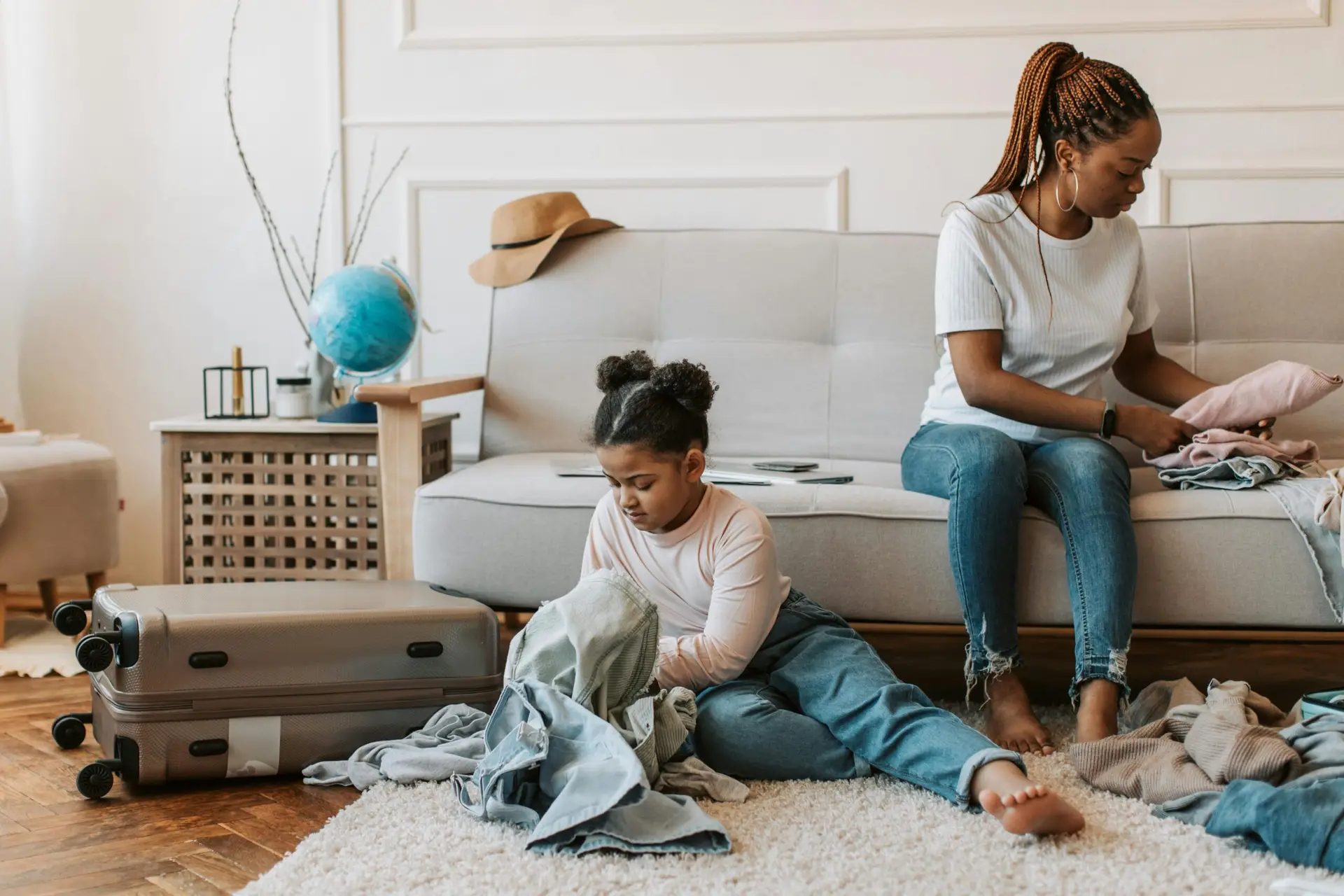
Independence develops gradually through everyday experiences. Children don’t become independent in a day; they need repeated opportunities to practise skills with guidance and encouragement.
Simple life skills matter more than we sometimes realize.
Depending on their age and abilities, children can gradually learn:
- how to organize their belongings,
- basic food preparation with appropriate supervision,
- time management,
- simple money habits,
- problem-solving,
- ways to recognize and manage emotions.
These everyday skills can complement academic learning by helping children practise responsibility, organization and problem-solving in real-life situations.

5. Allow Safe, Natural Consequences
Natural consequences can give children opportunities to connect their choices with what happens next. When the situation is safe and age-appropriate, parents don’t always need to prevent every small mistake.
For example:
- If a child occasionally forgets their homework, they may begin to understand the importance of checking their school bag.
- If they leave their toys outside and the toys get dirty, they can learn why taking care of their belongings matters.
This doesn’t mean allowing dangerous situations or deliberately letting children struggle. It means giving children safe opportunities to learn from everyday experiences instead of trying to control every outcome.
Parents can talk through what happened and help children think about what they might do differently next time.
The goal is not punishment. It is learning, reflection and gradually taking responsibility for choices.
6. Praise Effort, Not Just Results
Children can sometimes become worried about making mistakes when most of the attention they receive is focused on achievements. As parents, we may unintentionally show disappointment when our children don’t perform as expected.
Instead of always saying:
“You’re so smart.”
Try noticing the effort and process:
- “I noticed how hard you worked.”
- “You kept trying even when it was difficult.”
- “You solved that problem yourself.”
pecific feedback about effort, strategies and persistence can help children understand that learning involves practice and mistakes.
The goal isn’t to praise every action or avoid acknowledging achievement. It is to help children value effort, learning and persistence alongside results.
Suggested Affiliated product
Reward-Free Positive Parenting Books
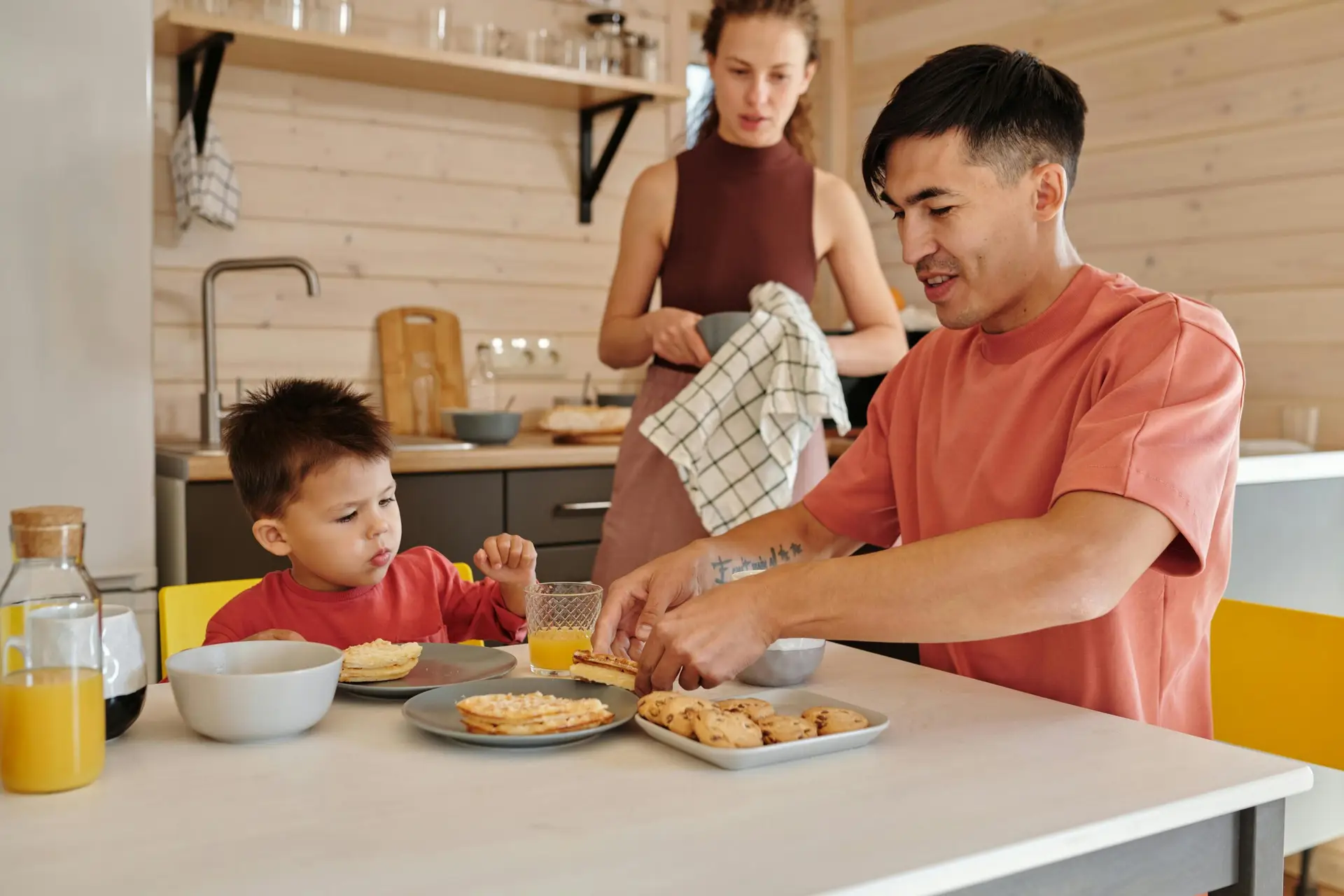
7. Create Routines Instead of Constant Reminders
Many parents feel exhausted because they repeat the same instructions throughout the day. I remember doing this myself quite often. Being involved in education made me very conscious of routines and expectations, and I sometimes found myself giving my child repeated reminders without realizing how often I was doing it.
A simple, predictable routine can help children understand what needs to happen next and gradually take more responsibility for everyday tasks.
For example:
Morning Routine
- Brush teeth
- Get dressed
- Eat breakfast
- Pack water bottle
Evening Routine
- Homework
- Playtime
- Dinner
- Prepare school items
- Bedtime story
As children become familiar with a routine, parents may be able to step back from constant reminders and let children take more ownership of the sequence.
Suggested affiliated product
Visual Routine Charts for Children
8. Teach Emotional Independence Too
Independence isn’t only about practical tasks. Children also benefit from learning how to recognize their feelings, communicate their needs and gradually develop ways to manage everyday emotional challenges.
Parents sometimes focus so much on getting things done correctly that children may become worried about making mistakes. Giving children space to express themselves and learn from mistakes can help create a more supportive environment.
Children can gradually learn:
- how to express feelings,
- how to calm themselves with appropriate support,
- how to solve conflicts respectfully,
- how to communicate their needs confidently.
Instead of saying:
“Stop crying.”
Try:
- “I see you’re upset.”
- “Would you like a hug or some quiet time?”
- “Let’s talk about what happened.”
These responses acknowledge the child’s feelings while still giving them an opportunity to learn how to handle difficult moments.
Suggested Affiliate product
Emotional Regulation Flash Cards
9. Avoid Over-Scheduling Children
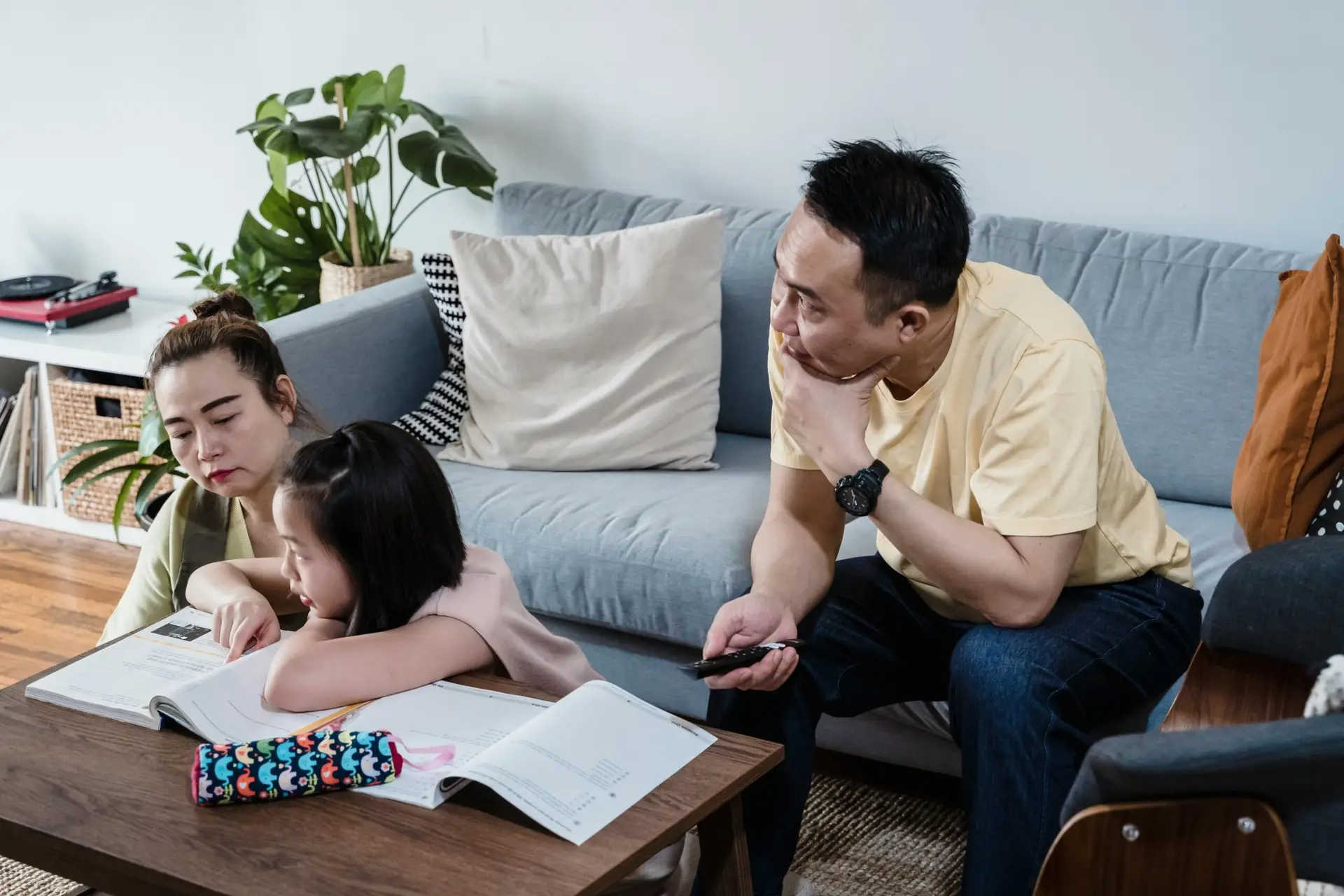
Children’s schedules can sometimes become very full with school, classes, screens and organized activities. When every part of the day is planned by adults, children may have fewer opportunities to decide how they want to use their free time.
Age-appropriate unstructured time can give children opportunities to practise:
- creativity,
- problem-solving,
- imagination,
- self-direction.
- Free time doesn’t mean that children need to be left completely on their own. Parents can provide a safe environment and allow children some space to choose what they would like to do.
- Not every minute of a child’s day needs to be planned or managed by an adult.
Not every minute needs adult management.
10. Let Kids Help Solve Problems
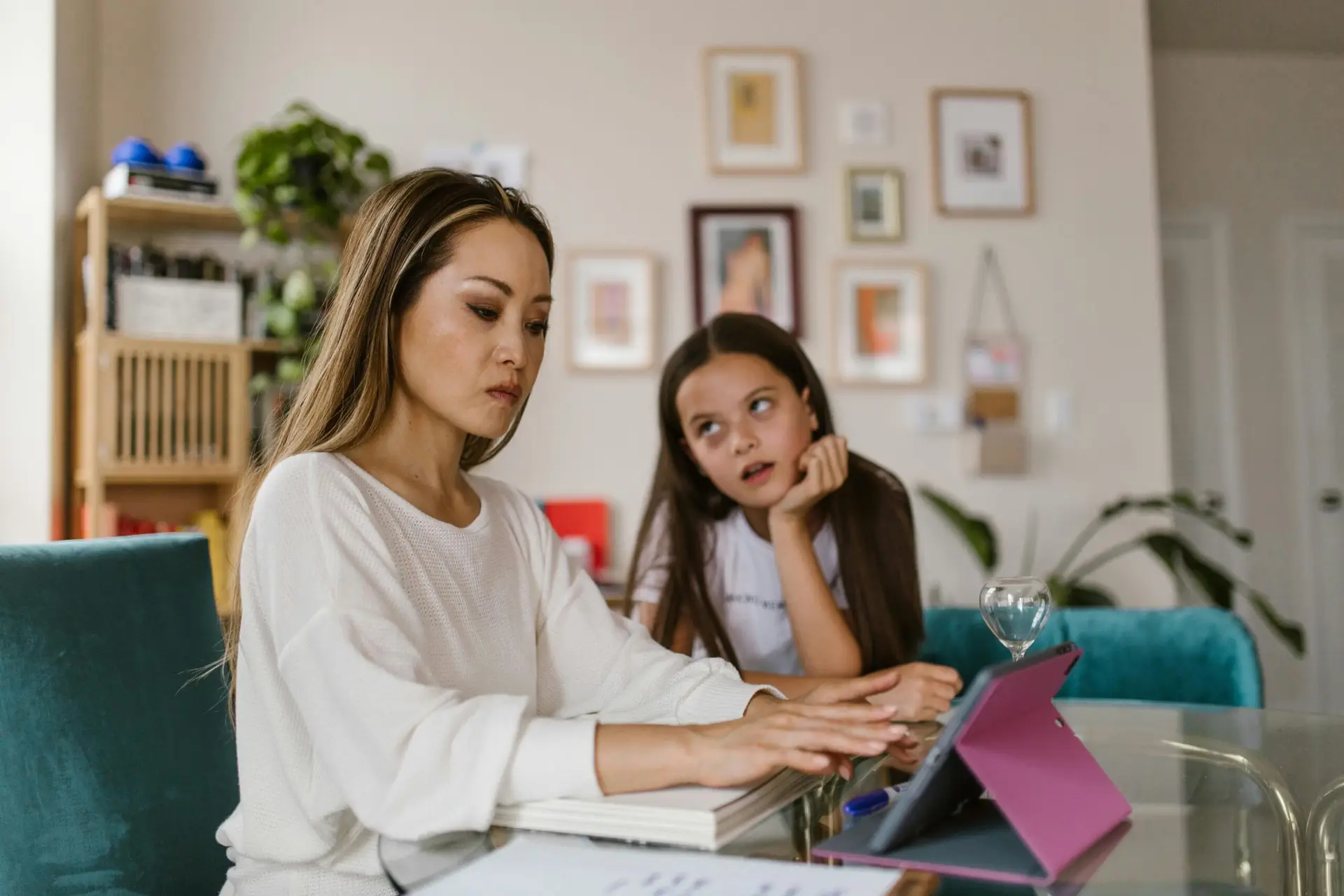
Instead of always giving children the solution, invite them to think about possible solutions themselves.
For example, if your mornings often feel rushed, you could ask:
“We are always rushing in the mornings. What ideas do you have to make mornings easier?”
You can then listen to their suggestions and work together to decide which ideas might help.
Involving children in age-appropriate problem-solving can give them opportunities to practise thinking, communication and responsibility.
It also sends an important message: their ideas matter, and they can be part of solving everyday family problems.
Suggested affiliated product
Montessori Practical Life Kits
A Real-Life Parenting Moment
A parent once shared with me that her 5-year-old son refused to pack his school bag unless she did it for him.
Every morning became stressful.
Instead of yelling or forcing him, she created a simple checklist with pictures and gradually encouraged him to take responsibility for packing his own bag. At first, he occasionally forgot things. But with practice, he became more comfortable doing it independently.
Sometimes children don’t need more pressure. They need an opportunity to practise.
Signs You May Be Over-Helping Your Child
If you’ve ever wondered, “Am I doing too much for my child?”, these questions may help you reflect:
- Does my child rely on me for tasks they could reasonably attempt themselves?
- Do I tend to solve problems before giving my child a chance to think?
- Do I find it difficult to watch my child make mistakes?
- Do I step in quickly whenever my child struggles?
If you answered yes to some of these questions, don’t blame yourself. Helping children is a natural part of parenting. The goal is simply to notice where you might gradually give your child more opportunities to try, practise and learn.
Small changes can make a meaningful difference over time.
Gentle Parenting and Independence Can Coexist
One common concern is that a gentle approach might mean being too permissive or avoiding discipline. It doesn’t have to.
Children can experience both warmth and clear boundaries. Parents can guide behaviour while also respecting children’s feelings and giving them age-appropriate opportunities to make choices and take responsibility.
A supportive parenting environment can include:
- warmth,
- structure,
- clear expectations,
- guidance,
- respect,
- emotional safety.
The aim is not to remove boundaries. It is to help children understand those boundaries while gradually developing the skills to make appropriate choices and take responsibility for their actions.
Practical Daily Habits That Encourage Independence
Simple Things You Can Start Today
Independence develops through ordinary everyday opportunities. You don’t need a complicated parenting system. Small changes can give children regular chances to practise responsibility.
✔ Let your child order their own food at a restaurant, when appropriate
✔ Encourage them to speak respectfully with teachers and other adults
✔ Let them organize their study space
✔ Teach them to prepare simple snacks with appropriate supervision
✔ Involve them in grocery shopping and simple choices
✔ Let them help plan age-appropriate family activities
✔ Encourage problem-solving before stepping in
The goal isn’t to make children do everything on their own. It is to gradually give them opportunities to participate, practise and take responsibility.
Frequently Asked Questions
At what age should children start becoming independent?
Children can begin practising independence from the toddler years through simple choices and age-appropriate responsibilities. The tasks can gradually become more complex as their skills and confidence develop.
Can gentle parenting make children spoiled?
Gentle parenting does not mean removing boundaries or saying yes to everything. Parents can combine warmth and respect with clear expectations, consistent boundaries and age-appropriate accountability.
What if my child refuses responsibility?
Start with one small responsibility that your child can realistically manage. Offer guidance, keep expectations consistent and give them time to practise rather than taking over immediately.
You can also read the following articles for the reliable resources.
Final Thoughts – How to Raise Independent Kids Without Being a Strict Parent
Raising independent children is not about pushing them away.
It is about preparing them for life while staying emotionally connected.
Children who are trusted learn confidence.
Children who are respected learn responsibility.
When children receive guidance, boundaries and opportunities to practise independence, they can gradually develop confidence, responsibility and problem-solving skills.
You do not need to control every moment to raise capable children.
Sometimes, the greatest parenting growth happens when we step back just enough to let our children step forward.
Call to Action
How do you encourage independence in your child at home?
Share your parenting experiences in the comments below — your story may inspire another parent today.
And if you enjoyed this article, share it with fellow parents who are trying to raise confident, responsible kids with kindness instead of fear.
Please do explore my other articles mentioned below
- “Why EQ Matters More Than IQ for Your Child’s Success”
- “The Overstimulated Child: How to Recognize and Reset”
- “Confidence Begins at Home”
- “Digital Safety for Kids in 2025”
Disclaimer:
This article may contain affiliate links. If you purchase through these links, we may earn a small commission at no extra cost to you. We only recommend products we genuinely find helpful for parents and families.