Attention:
As a parent, Are you aware that there is Hidden Sugar in Kids’ Everyday Foods? You carefully avoid giving your child chocolates and candy… yet they still seem hyper, tired, cranky, or frequently falling sick. You are surprised to know the reason why this is happening inspite of being careful.
Problem:
Actually the truth is ? Sugar is always hiding in places you least expect — breakfast cereals, yogurt, packaged juices, ketchup, and even snack bars, which we consider as healthy. Most parents don’t realize their child may be consuming 2–3 times the recommended daily sugar limit without touching a single sweet. We need to check out what food items are really causing this and making a change in the routine.
Promise:
In this detailed guide, you’ll learn where hidden sugar is lurking, how to decode food labels, how sugar impacts your child’s behaviour and immunity, and most importantly — simple, realistic swaps that don’t make you feel like the “strict parent. “And please your munchkin as well with those healthy and small sweet treats.
Why Hidden Sugar Is a Serious Parenting Concern
The World Health Organization recommends that children reduce free sugar intake to less than 10% of total energy intake — ideally below 5% for additional health benefits.
For many children, that’s about:
- 3–6 teaspoons (12–25 grams) per day, depending on age.
Yet a single flavoured yogurt or juice box can already exceed that. Check out the sugar content written on the pack before buying the product.
Excess sugar consumption in children has been linked to:
- Increased risk of childhood obesity
- Weakened immunity
- Tooth decay
- Energy crashes
- Mood swings
- Poor concentration
- Attention deficit disorders
As parents, we often think sugar only means desserts. But manufacturers add sugar to improve taste, shelf life, and even texture. It has been discovered that even the normal food like wheat breads and rice contain sugar.
Top 10 Foods with Hidden Sugar in Kids’ Diets
1️⃣ Breakfast Cereals
Many cereals marketed as “whole grain” or “fortified with vitamins” can contain 10–15 grams of sugar per serving. As parents it’s better to be alert and aware of the percentage on the product packs.
Watch for:
- Corn syrup
- Malt syrup
- Brown sugar
- Honey solids
👉 Better choice: Plain oats with fruit and nuts.
Oats have been considered as generally very good for you due to its high fibre (especially beta-glycan), vitamins, minerals, and antioxidants, which support heart health, blood sugar control, weight management, and digestion, but moderation (around 1 cup dry oats) and avoiding sugary additions are key to prevent overconsumption and gas.
2️⃣ Flavored Yogurt
Strawberry or mango yogurt may sound healthy, but many contain added sugars plus fruit concentrates.
👉 Better choice: Plain yogurt + mashed banana + cinnamon.
Yogurt is a nutrient-dense, fermented dairy product created by introducing bacterial cultures—typically Lactobacillus bulgaricus and Streptococcus thermophilus—into milk, causing it to thicken and turn tangy. It is rich in calcium, protein, and probiotics, making it excellent for gut health, bone strength, and immunity. Plain curd amalgamated with fruits and cinnamon is very healthy option against flavoured yogurts.
3️⃣ Packaged Fruit Juices
Even 100% fruit juice contains high natural sugars without fiber.
👉 Better choice: Whole fruits or diluted fresh juice occasionally.
Whole fruits are superior to juices because they retain essential fiber, vitamins, and antioxidants in their natural state, promoting satiety and stable blood sugar levels.
Consuming fiber-rich pulp and skin aids digestive health and helps prevent chronic diseases like type 2 diabetes and heart disease, making them a more nutritious choice.
4️⃣ Granola Bars & Snack Bars
Often marketed as “energy bars,” these may contain multiple sugar sources.
👉 Better choice: Homemade oat-date bars.
Oatmeal date bars are an easy and tasty dessert with no added sugar, gluten free, dairy free, and vegan friendly! Oat date bars are generally considered a highly nutritious, energy-dense snack, often used as a natural, whole-food alternative to processed granola or candy bars. They are typically rich in fiber, healthy fats, and natural sugars, making them suitable for quick energy boosts
5️⃣ Flavored Milk
Chocolate milk or strawberry milk can contain as much sugar as soft drinks.
Its better to make milk shakes using dates and fresh fruits instead of above mentioned as they are the better substitutes for non-sugary shakes.
6️⃣ Ketchup & Sauces
One tablespoon of ketchup can contain 1 teaspoon of sugar.
Instead of sauces, it’s better to use hung curd dips/Mint chutney dips and other healthy ones. This will not only give taste but reduced hidden sugars in kids’ diet.
7️⃣ Peanut Butter (Processed)
Some brands add sugar and hydrogenated oils.
It’s better to use the fresh peanuts and make our own peanut butter at home which will not only be healthy, but hygienic and tasty too or we can also opt for the ones made organically healthy available online.
8️⃣ Bread
Yes — even white bread can contain added sugar.
Always use brown/whole wheat bread/without sugar and purchase after reading the ingredients on the product being bought from the market.
9️⃣ “Healthy” Smoothies (Store-Bought)
Many bottled smoothies are sugar bombs in disguise.
Healthy smoothies can be made at home using various fresh fruits, nuts and vegetables. Less in sugar content and high in health quotient.This is an easy way-how parents can reduce hidden sugar in kids food
🔟 Instant Oatmeal Packets
Flavoured versions often contain added sugars.
Oatmeals can be made using various dehydrated vegetables and made at home. Rolled oats can be combined with various fruits and nuts along with honey or dates and consumed.
How Hidden Sugar in Kids Food Affects Their Health
- Mood & Behavior
The glucose in their blood shoots very rapidly as the children eat foods that contain high sugar content in their food. This can cause temporary explosion or excitement or hyperactivity. However, the insulin is discharged into the body shortly to lower the sugar content in the blood and this may cause a sudden fall. During this crash, children can become petulant, tired or emotional.
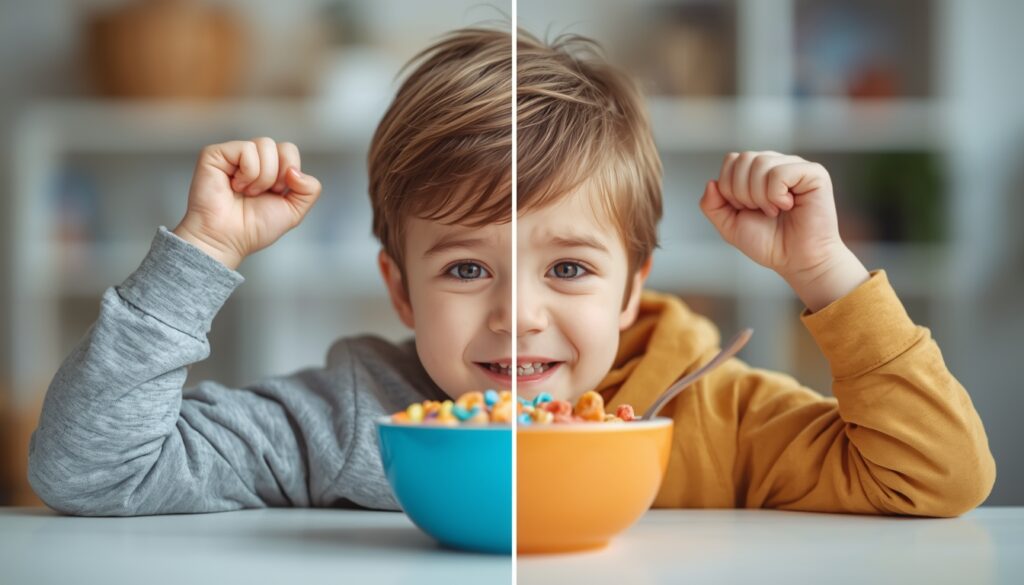
It is the cause why the majority of parents notice the alteration in the mood after snack time or failure to focus in school. Due to fast rises and falls in sugar levels, children can encounter the problem of insufficient control over their emotions. They may be starving, annoyed or annoyed without even understanding why.
This may lead to attention and impulse control overtime as the sugar swings occur quite often. It is not the reductions in the consumption of sugar but the maintenance of the level of blood sugar. Being equipped with snacks made of protein and fiber give an opportunity to maintain stable energies and civilized behaviour throughout the day. Spikes in blood sugar – activity – collapse – anger.
2. Dental Health
The regular presence of sugar contributes to the feeding of bad bacteria in the mouth of your child. These bacteria break down sugar to give acids that make the enamel of the teeth weaker. This may cause cavities and tooth decay in the long-run. Sticky and sweetened foods particularly when consumed frequently put the risk at higher levels.
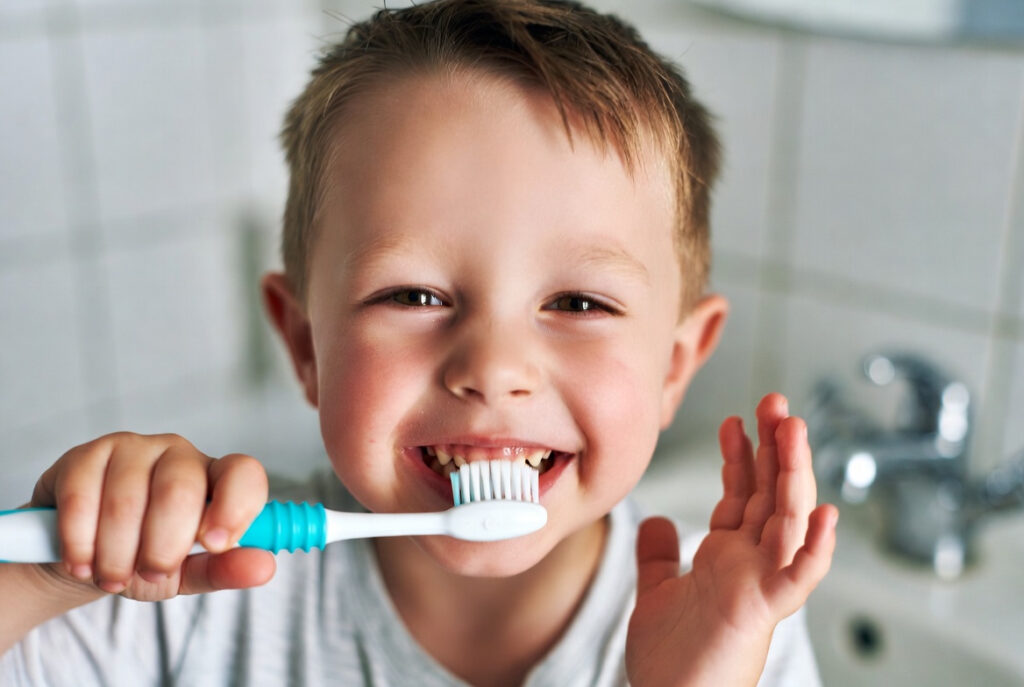
The consumption of sweet drinks all day is especially harmful since teeth are exposed to sugar a bit longer. The dental issues can be caused even by juices and flavored milk. Routine brushing, reduction of the number of sugary foods, and provision of water after meals can significantly lower the risk. Early dental health protection helps to avoid pain, infection, and oral problems in the long run.
🛡 3. Immunity
Too much sugar may suppress the immune system of the body in the short term. The large volumes of sugar fed to children can lead to low efficiency of the white blood cells which help combat infections. This implies that the body might not be so sensitive to viruses and bacteria.
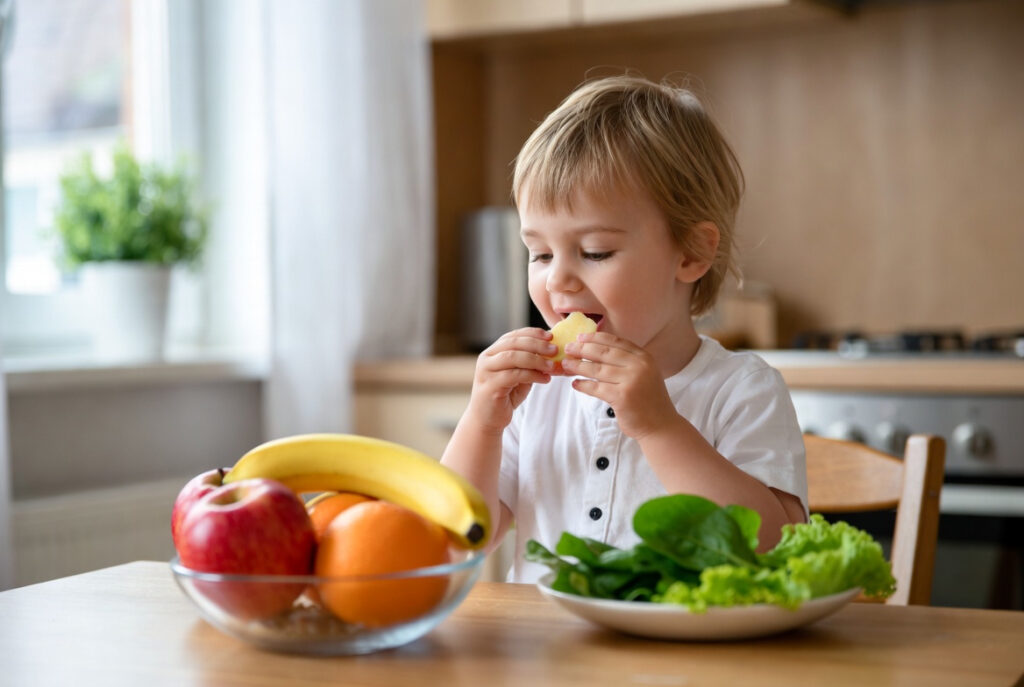
High blood glucose levels are also very common and may also lead to inflammation in the body which can impinge on the general health as time goes by. When a child constantly eats and drinks sweet products, his/her immune system might not be able to work fully.
It can help to boost immunity by cutting down on added sugar content and concentrating on whole foods including fruits, vegetables, nuts, and protein-rich meals. The difference can be done by small changes in the diet that can lead to a significant change in the frequency of sickness in children.
💤 4. Sleep Disruption
High sugar intake late in the day can impact sleep quality.Excessive use of sugar especially in the latter part of the day can disrupt the quality of your child sleep. Sweetened foods lead to the rapid increase of energy and therefore the body cannot relax on its own. The unsteady levels of blood sugar can cause disturbed or restless sleep even in case your child falls asleep.

Sugar may also interfere with hormones that control sleeping patterns which complicate bedtime routines. Other children can also be hyperactive during the evening following sweet drinks or snacks.
Restricting the consumption of sugary sweets during the evening hours and providing evenings with balanced meals containing protein and fiber might lead to more relaxing evenings. Sleep is beneficial in terms of mood, learning, growth, and well-being.
Smart Tips to Reduce Hidden Sugar in Kids Food
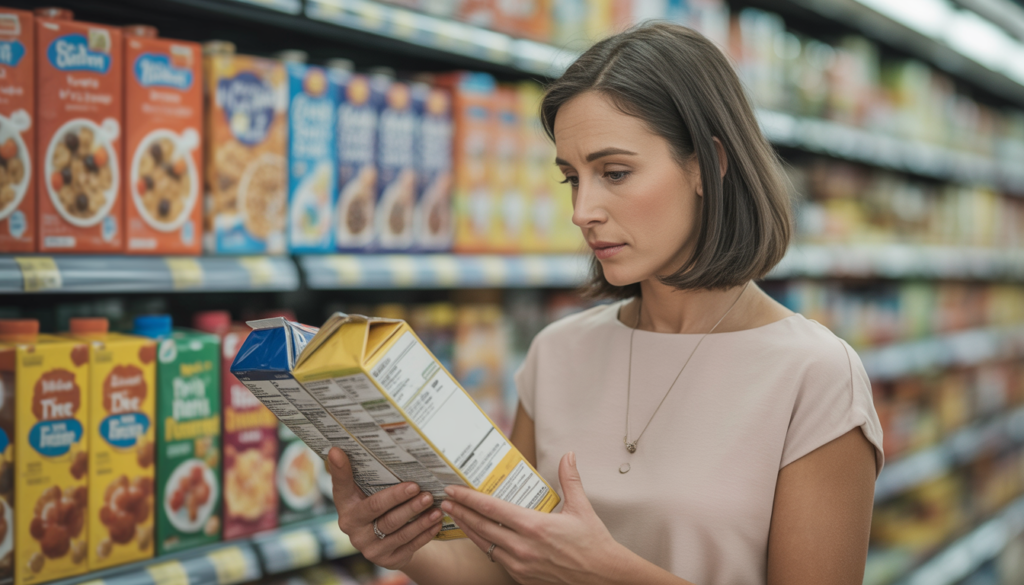
How to Read Food Labels Like a Smart Parent
When checking labels, look at:
✔ “Added Sugars” section
✔ Total grams of sugar per serving
✔ Ingredient list (first 3 ingredients matter most)
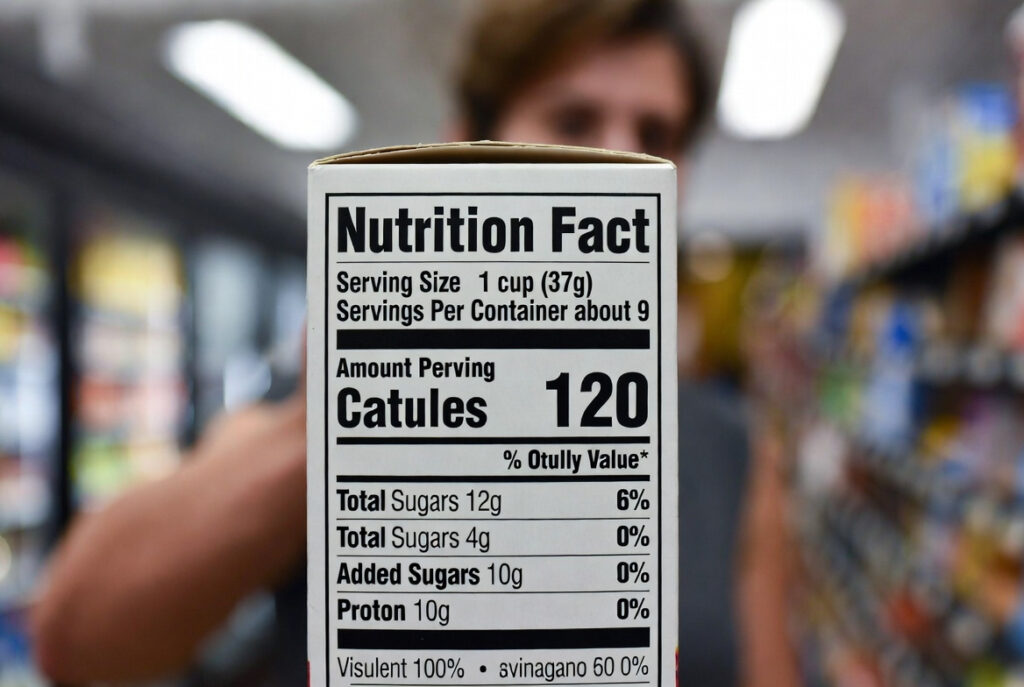
Sugar Has 50+ Names!
Common ones include:
- Sucrose
- Glucose
- Fructose
- Corn syrup
- Maltose
- Dextrose
- Cane juice
- Fruit concentrate
If sugar appears multiple times in the ingredient list, it’s a red flag.
Practical Swaps That Actually Work
Here are realistic swaps (no extreme dieting needed):
| Instead of | Try This |
| Sugary cereal | Oats + nuts + fruit |
| Flavored yogurt | Plain yogurt + fresh fruit |
| Juice box | Coconut water or whole fruit |
| Chocolate milk | Plain milk + cocoa powder (unsweetened) |
| Store granola bars | Homemade energy bites |
A Real-Life Parenting Moment
A mother once told me:
“My son doesn’t eat sweets at home, but he’s always hyper.” After reviewing his routine, we discovered:
- Sweetened cereal
- Juice box at school
- Flavored yogurt
- Ketchup with dinner
That alone crossed 8 teaspoons of sugar daily.Within two weeks of small swaps, she noticed:
- Fewer meltdowns
- Better sleep
- Less frequent colds
Small awareness creates powerful change.
Is It Better to Get rid of Sugar altogether?
No. A total prohibition of sugar usually backfires and may even increase a temptation of children. When food is declared to be taboo, children will want it more or more of it when offered the opportunity.
💛 Start with one label today.
🌿 Make one better swap this week.
✨ And remember — progress matters more than perfection.
Severe restriction may also result into unhealthy emotional attachment to food.

Final Thoughts: Small Changes, Lifelong Impact
Hidden sugar isn’t about blaming parents or creating fear around food. It’s about awareness. Once you begin reading labels and noticing everyday sugar sources, you naturally start making smarter swaps — without stress or extreme restrictions.
Remember, the goal is not perfection. It’s balance. When you reduce hidden sugars and focus on whole, nourishing foods, you may notice calmer moods, stronger immunity, better sleep, and improved focus in your child. Small, consistent changes truly add up over time.
If you’re looking for practical next steps, you might also enjoy reading our guide on Immune-Boosting Foods for Kids During Cold & Flu Season, where we share simple kitchen staples that strengthen your child’s natural defenses.
You can also explore Brain-Boosting Breakfasts for Kids for easy morning meals that support focus and stable energy levels throughout the school day.
And if lunchbox struggles are real in your home, don’t miss our Healthy Lunchbox Ideas That Kids Actually Eat, packed with realistic, parent-approved options.
At Dewdrops and Giggles, we believe confident parenting starts with informed choices — not guilt. Every grocery trip is a new opportunity to build healthier habits for your family.Instead, aim for balance.
• Adhere to the 80/20 rule 80 percent of the time eat nourishing whole foods, 20 percent of the time enjoy little treats.
• Lower hidden sugars -Minimise daily intake of sugary food such as flavoured yogurt, packaged beverages and sugary cereals.
• Eat carefully, particularly when treated – Savor sweetness when it is time to celebrate or to mark special occasions.
Moderation is also an important aspect that should be taught to children to maintain healthy lifestyles. Balance is much more aware and self-contained than fear or excessive constriction.
Call to Action (CTA)
If this article helped you see sugar differently, share it with another parent who thinks juice is always healthy.
At Dewdrops and Giggles, we believe parenting is not about perfection — it’s about awareness.
Would you like a free printable sugar-check grocery guide ?
Happy Parenting Friends!