
Introduction
Kid-friendly adaptogens are often marketed as natural remedies for children’s stress and focus, but parents should understand the limited evidence and important safety considerations before considering these herbal products.Have you noticed your child seeming restless, having trouble settling down, or finding it difficult to concentrate after a busy day? Between schoolwork, activities, digital distractions, and changing routines, children can sometimes feel overwhelmed. As parents, we naturally want to help them feel calm, supported, and ready to learn.
You may have come across the word adaptogens while exploring natural wellness options. Adaptogens are a group of herbs and other substances commonly promoted for helping the body cope with stress. However, most research has focused on adults, and there is still limited evidence about their safety and effectiveness for children.
It’s important to remember that natural doesn’t automatically mean safe for children. Herbs and concentrated supplements can cause side effects, interact with medicines, or vary in quality. Parents should speak with their child’s paediatrician before considering an adaptogen or other herbal supplement.
The good news is that supporting a child’s well-being doesn’t have to begin with a supplement. Predictable routines, enough sleep, regular physical activity, nourishing meals, time outdoors, and calm opportunities to talk can all help children feel supported.
In this article, we’ll explore what adaptogens are, what parents should know about the evidence and safety concerns, and practical everyday ways to support children’s calm and focus. We’ll also look at why professional guidance matters before introducing herbal products.
Nature Has Gentle Answers—But Safety Comes First
It’s understandable that parents look for gentle, natural ways to support their children’s well-being. Herbs have a long history of traditional use, but traditional use alone does not prove that a remedy is safe or effective for every child.
Adaptogens such as ashwagandha and reishi are often marketed for stress support, while herbs such as chamomile and lemon balm are commonly associated with relaxation. However, research in children is limited, and products can differ in their ingredients, concentration, and quality.
Before considering any herbal supplement for your child, speak with a qualified paediatric healthcare professional who can assess your child’s age, health, symptoms, and any medicines they take. Avoid assuming that an adult product, a small dose, or a product labelled “natural” is automatically suitable for children.
There are also simple, everyday ways to encourage calm and concentration: maintaining regular sleep routines, offering opportunities for active play, taking screen breaks, and making time for relaxed conversations. These habits can be a useful starting point without introducing an unproven supplement.

What Are Adaptogens?
Adaptogens is a term commonly used for certain herbs and other natural substances that are promoted for helping the body respond to stress. Examples often discussed in wellness products include ashwagandha, tulsi, and reishi mushroom.
However, the term is not a guarantee of effectiveness or safety. Research on these substances varies, and much of the available evidence comes from adults rather than children. We cannot assume that results seen in adults will apply to toddlers, school-aged children, or teenagers.
Herbal products can also differ in strength, purity, and ingredients. Some may cause side effects or interact with medicines, so they should not be treated as harmless simply because they come from plants.
For parents, the most important question isn’t just whether an herb is described as an adaptogen, but whether there is reliable evidence that a specific product is safe and useful for a child of a particular age. A paediatric healthcare professional can help you assess that question.
Understanding kid-friendly adaptogens means looking beyond traditional uses and considering the limited research, possible risks, and guidance parents need before considering herbal products for children.
Top 5 Kid-Friendly Adaptogens for Calm & Focus

Are Adaptogens Safe for Kids?
Parents naturally want to choose products that will help their children feel well, but herbal supplements need the same careful consideration as other health products. An herb being natural or traditionally used does not automatically make it safe for a growing child.
For many popular adaptogens, there is limited evidence about long-term safety, appropriate doses, and effectiveness in children. Products may also vary in strength and purity, and some herbs can cause side effects or interact with medicines.
Before giving your child an adaptogen, herbal extract, or concentrated supplement, speak with their paediatrician. This is especially important for young children and for children who take medication or have an ongoing health condition.
If your child is frequently anxious, has persistent sleep difficulties, or struggles to concentrate, consider discussing these concerns with a healthcare professional rather than relying on supplements alone. Stress, sleep problems, learning difficulties, and other health concerns may need different kinds of support.
A safer starting point: Build predictable routines, encourage age-appropriate physical activity, protect sleep time, and make space for calm conversations. These everyday habits can support well-being while you seek professional advice about any persistent concerns.
 .
Five Herbs Commonly Discussed for Calm and Focus
You may come across chamomile, lemon balm, tulsi, ashwagandha, and reishi mushroom in articles and products marketed for relaxation or stress support. However, these herbs are not interchangeable, and evidence supporting their benefits in children is limited.
Some have traditional uses, while others have been studied mainly in adults. Their safety can depend on the child’s age, health, medicines, the type of product, and its concentration. For that reason, this list is intended to help parents understand the herbs they may encounter—not to recommend supplements or establish that any of them is suitable for every child.
Before giving a child an herbal extract, concentrated tea, powder, or supplement for stress or focus, discuss it with their paediatrician. In the sections below, we’ll distinguish traditional uses from proven benefits and highlight important safety considerations.
Chamomile: A Traditional Bedtime Herb
Chamomile is commonly used in herbal teas and is traditionally associated with relaxation and bedtime routines. Some families enjoy a warm, caffeine-free drink as part of a calming evening ritual. However, evidence that chamomile treats sleep problems or anxiety in children is limited.
What parents should know: Chamomile can cause allergic reactions, particularly in people sensitive to plants in the daisy family. Herbal products can also vary in quality and concentration.
A gentle bedtime alternative: Try making the evening calmer with a familiar story, softer lighting, a consistent bedtime, and a few quiet minutes together.
Parent tip: If you’re considering chamomile tea or any concentrated chamomile product for your child, ask their paediatrician first, particularly if your child has allergies or takes medication. Don’t assume that an herb is suitable for every age just because it is commonly used by adults.
Lemon Balm: What Parents Should Know
Lemon balm is an herb in the mint family that is traditionally used in teas and other preparations. It is sometimes marketed for relaxation or focus, but there is not enough reliable evidence to conclude that it safely treats stress, anxiety, or attention difficulties in children.
What parents should know: Herbal preparations can vary in strength and quality. Possible side effects or interactions depend on the product and the child’s health and medications.
A calmer after-school routine: Instead of relying on a supplement, offer a nourishing snack, some time outdoors or for movement, and a quiet transition between school and homework.
Parent tip: Speak with your child’s paediatrician before using lemon balm as a supplement or concentrated preparation, especially if your child takes medication or has a health condition.
Tulsi (Holy Basil): Traditional Uses and Safety
Tulsi, also known as holy basil, is widely used in traditional Indian wellness practices. It is often discussed in connection with stress and general well-being, but reliable evidence supporting its safety and effectiveness for stress or focus in children remains limited.
What parents should know: Traditional use does not guarantee that an herb is safe for every child. Concentrated extracts and supplements may differ from ordinary culinary use, and potential interactions with medicines or health conditions need consideration.
A simple everyday alternative: Encourage children to spend time outdoors, enjoy age-appropriate play, and share their worries with a trusted adult.
Parent tip: Before giving your child tulsi tea for a health purpose, an extract, or a supplement, check with their paediatrician. Avoid assuming that products marketed as natural are automatically suitable for children.
Ashwagandha: Important Safety Considerations
Ashwagandha is an herb used in traditional Ayurvedic practices and is often marketed to adults for stress and sleep support. However, evidence about its safety and effectiveness in children is limited, so it should not be presented as a proven remedy for childhood stress or focus difficulties.
What parents should know: Ashwagandha may cause side effects and can interact with certain medicines. It has also been associated with rare cases of liver injury. Its suitability depends on individual health factors, and adult research cannot automatically be applied to children.
A supportive alternative: Help children manage everyday stress through predictable routines, adequate sleep, enjoyable physical activity, and calm conversations about their feelings.
Parent tip: Do not give your child ashwagandha supplements without advice from a qualified paediatric healthcare professional. If your child has ongoing sleep, anxiety, or concentration difficulties, seek professional guidance rather than relying on an herbal product.

Reishi Mushroom: What Parents Should Know
Reishi is a mushroom used in some traditional wellness practices and sold in powders, extracts, and supplements. It is sometimes marketed for stress support and general well-being, but there is insufficient reliable evidence to establish its safety or benefits for children.
What parents should know: Reishi supplements can vary in quality and concentration. They may cause side effects and can interact with certain medicines. Their suitability for children has not been established.
A healthy alternative: Encourage children to enjoy a varied diet, regular sleep, active play, and relaxing family routines. These everyday habits can support general well-being without relying on unproven supplements.
Parent tip: Do not give your child reishi powders or supplements for stress or focus without first consulting a qualified paediatric healthcare professional. If your child is experiencing persistent stress, sleep difficulties, or concentration problems, discuss your concerns with their healthcare provider.

Reishi Cocoa: Understanding the Safety Concerns
Reishi is a mushroom used in some traditional wellness practices and sold in powders, extracts, and supplements. It is sometimes marketed for stress support and general well-being, but reliable evidence establishing its benefits and safety for children is insufficient.
About reishi cocoa: Adding reishi powder to cocoa may sound like a simple way to introduce an herbal ingredient, but a homemade recipe does not establish that the ingredient is safe or effective for a child.
What parents should know: Reishi products can vary in composition and concentration. They may cause side effects or interact with medicines, and their suitability for children has not been established.
A safer family option: Enjoy ordinary cocoa as a comforting family drink without adding reishi powder. You can make the moment special with a favourite story or a quiet conversation.
Parent tip: Do not give children reishi supplements or concentrated powders for stress or focus without consulting their paediatrician. Persistent concerns about sleep, anxiety, or concentration deserve professional guidance rather than reliance on herbal products.

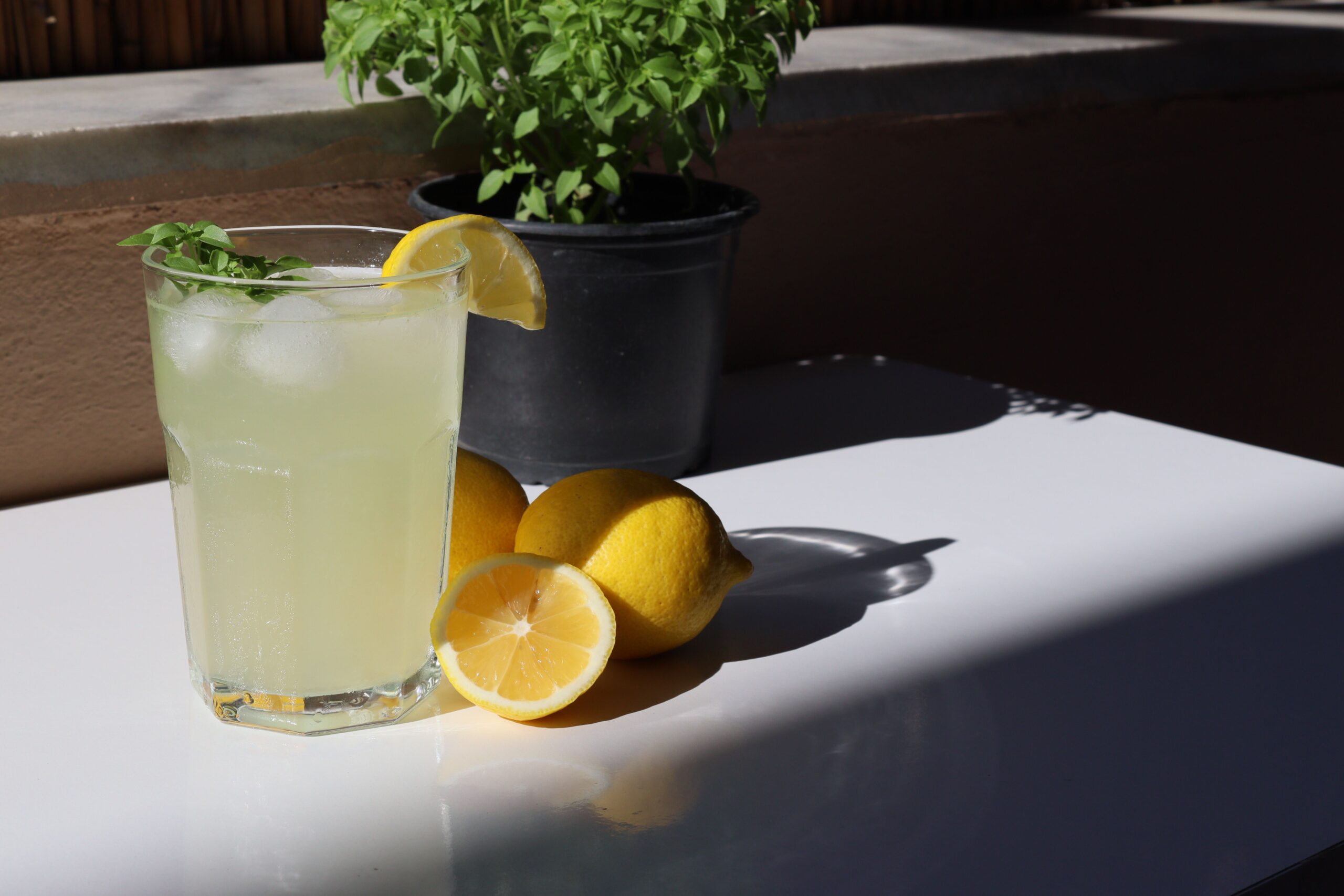
Tulsi Lemonade: Understanding Traditional Use and Safety
Tulsi, also known as holy basil, has a long history in traditional Indian wellness practices. Its leaves are used in various household preparations, including drinks. However, traditional use does not establish that tulsi lemonade reduces stress or improves concentration in children.
Ingredients
- Fresh tulsi leaves
- Drinking water
- A little lemon juice
- A small amount of sugar, if desired
Preparation
- Wash the tulsi leaves thoroughly.
- Prepare a mild, fresh lemon drink using drinking water and lemon juice.
- If considering adding tulsi for a child, check with their paediatrician first, particularly if you intend to use it for a health purpose or the child takes medication.
What parents should know: Ordinary culinary use and concentrated herbal preparations are not the same. Evidence supporting tulsi supplements for stress or focus in children is limited, and safety depends on the preparation and the individual child.
A gentle reminder: This drink should not be presented as a treatment for anxiety, sleep difficulties, or attention problems. Consult a qualified healthcare professional if these concerns persist.

Lemon Balm: Traditional Uses and Child Safety
Lemon balm (Melissa officinalis) is a member of the mint family and has traditionally been used in herbal teas and other preparations. It is sometimes marketed for relaxation, sleep, and focus, but reliable evidence that it safely provides these benefits in children is limited.
About the recipe: Lemon balm can be included in discussions about traditional herbal preparations, but adding it to a child’s food or drink for a health benefit should not be assumed to be safe or effective.
What parents should know: Herbal products can vary in strength and quality. Potential side effects and interactions with medicines should also be considered. Consult your child’s paediatrician before using lemon balm as a supplement or concentrated preparation.
A parent-friendly alternative: If you enjoy making fruit pops together, prepare them with fruit and yoghurt without adding lemon balm. This keeps the fun cooking activity while avoiding an unverified health claim.
Important reminder: Lemon balm should not be presented as a proven treatment for childhood anxiety, sleep problems, or attention difficulties. If these concerns persist, seek advice from a qualified healthcare professional.
Bonus: Free Poster for Your Home
Download your “5 Natural Ways to Help Kids Stay Calm & Focused”
printable poster. Hang it in your kitchen, playroom, or homeschool area as a
gentle daily reminder.
[https://drive.google.com/file/d/1vAxE2Se44WY2XmDInNhjDAOf9qo4qC0-/view?usp=drive_link]
Conclusion: Informed Choices for Your Child’s Well-Being
Herbs such as tulsi, lemon balm, ashwagandha, chamomile, and reishi have different histories of traditional use and are often discussed in connection with relaxation and general wellness. However, traditional use and claims made in wellness products do not prove that these herbs safely reduce stress or improve focus in children.
As parents, we naturally want to help our children feel calm, confident, and emotionally supported. Before considering any herbal supplement, remember that evidence about its benefits, appropriate use, and long-term safety in children may be limited. Natural products can have side effects, vary in quality, and interact with medicines.
Start with everyday foundations: consistent sleep routines, nutritious meals, outdoor play, movement, meaningful conversations, and a supportive home environment. These habits can contribute to children’s overall well-being, although they are not substitutes for professional care when needed.
If your child experiences persistent anxiety, sleep difficulties, or concentration problems, consult a qualified paediatric healthcare professional before trying herbal remedies or supplements.
A final thought for parents: The goal is not to find a quick herbal solution, but to understand our children’s needs and make informed, age-appropriate decisions that put their safety first.
Please do check out my other articles below.
Gut Health for Families – Fermented Food
HAPPY PARENTING😍