
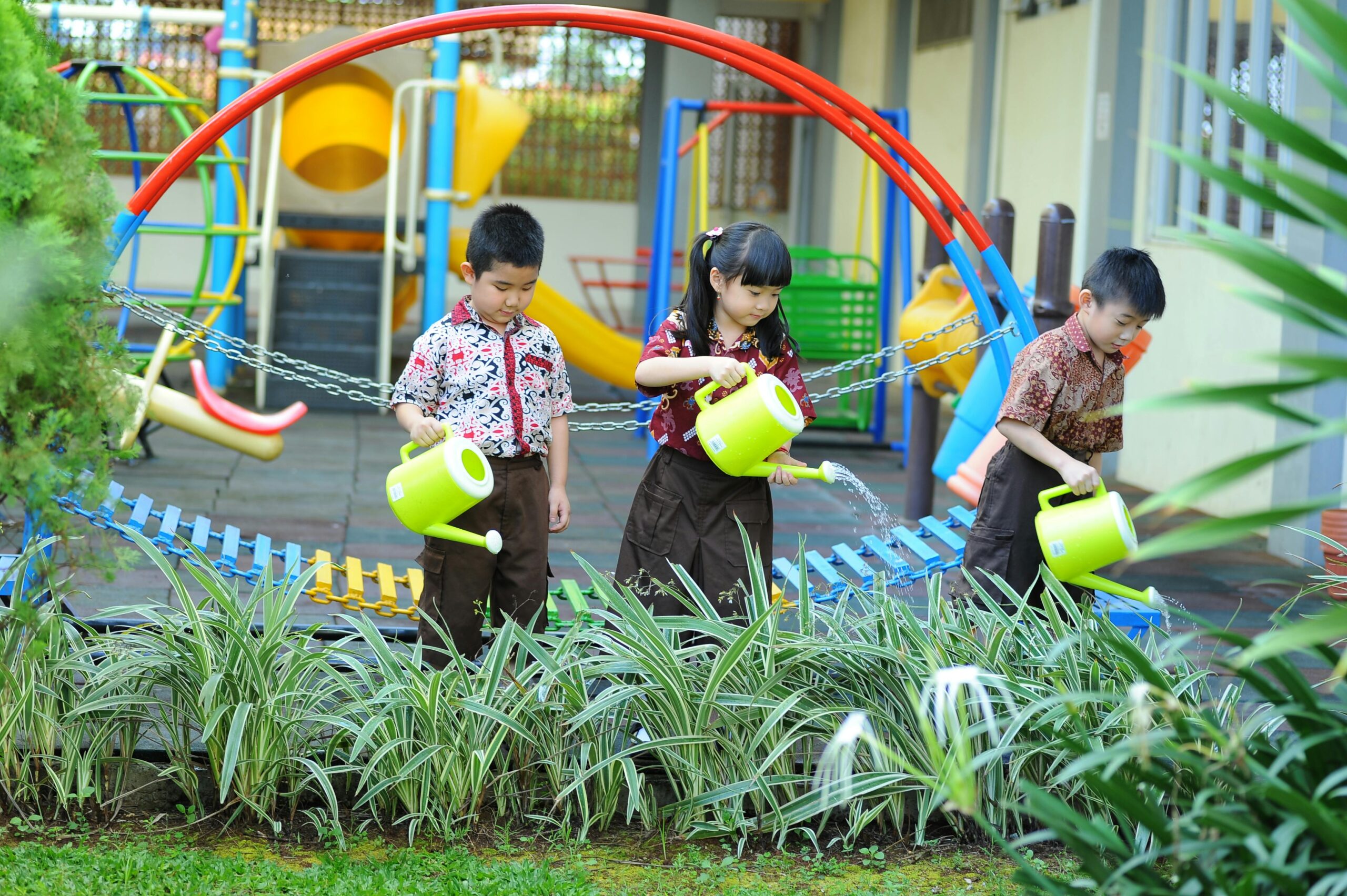
Introduction: The Real Parenting Struggle
As a parent, How to Teach responsibility and maturity to kids is one of the most important life skills to kids from an early age.Many at times we get to think that but do not get to find the answers.
“Can you please put your toys away?” Every parents call to raise responsible children.
If you’ve ever asked this simple question and received a dramatic “Nooo!” or complete silence, you’re not alone.
As parents, we often wonder:
👉 Are we raising responsible kids—or accidentally making them dependent on us?
The truth is, responsibility and maturity aren’t traits children are born with—they’re skills built slowly through everyday experiences.
And the good news?
You don’t need strict discipline or constant reminders to teach them. Few daily routines combined with discipline would do the needful.
Teaching Responsibility and Maturity to Kids? – What does it really mean?
Before we teach it, let’s redefine it.
Responsibility is NOT:
- Blind obedience
- Fear-based behavior
- Doing things perfectly
Responsibility IS:
- Being accountable and Taking ownership of actions
- Analysing and Understanding consequences
- Logical in thinking and Making small decisions independently
Maturity, on the other hand, is the ability to:
- Manage emotions and feelings without being overwhelmed
- Think twice before acting or reacting on situations
- Handle simple challenges calmly without hassles using mindful thoughts
child maturity development and both begin developing much earlier than we think.
Teach Responsibility and Maturity to kids – Age-Wise Guide
As per UNICEF – Early childhood education Understanding what’s realistic for each age helps avoid frustration—for both you and your child.So before getting to know about how to teach responsibility and maturity to kids at a early age, lets see what its all about.
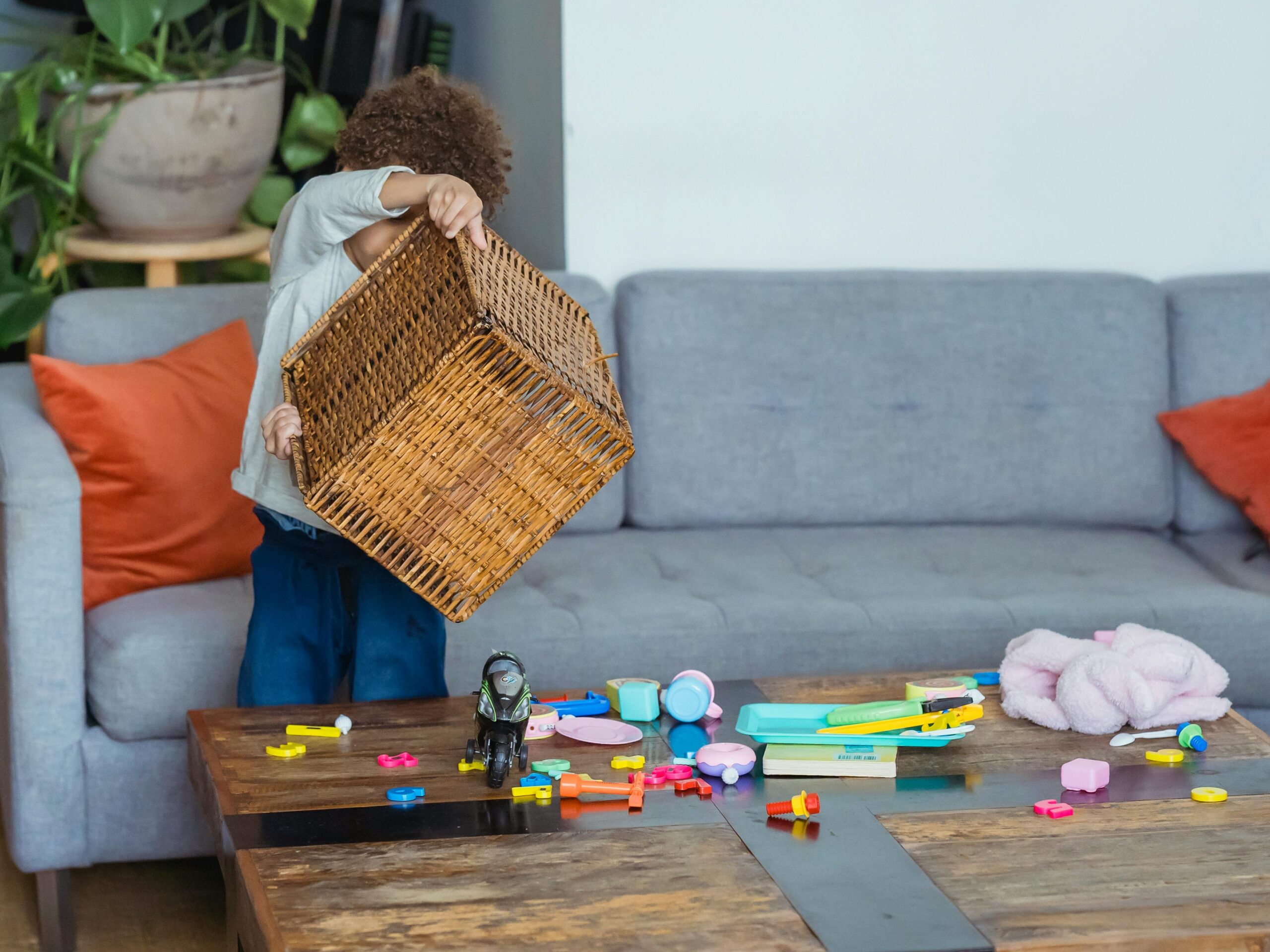
Toddlers (1.5–3 years) (initially with help and guidance)
- Put toys in a basket
- Help carry small items
- Learn basic routines
👉 Focus: Habits, not perfection
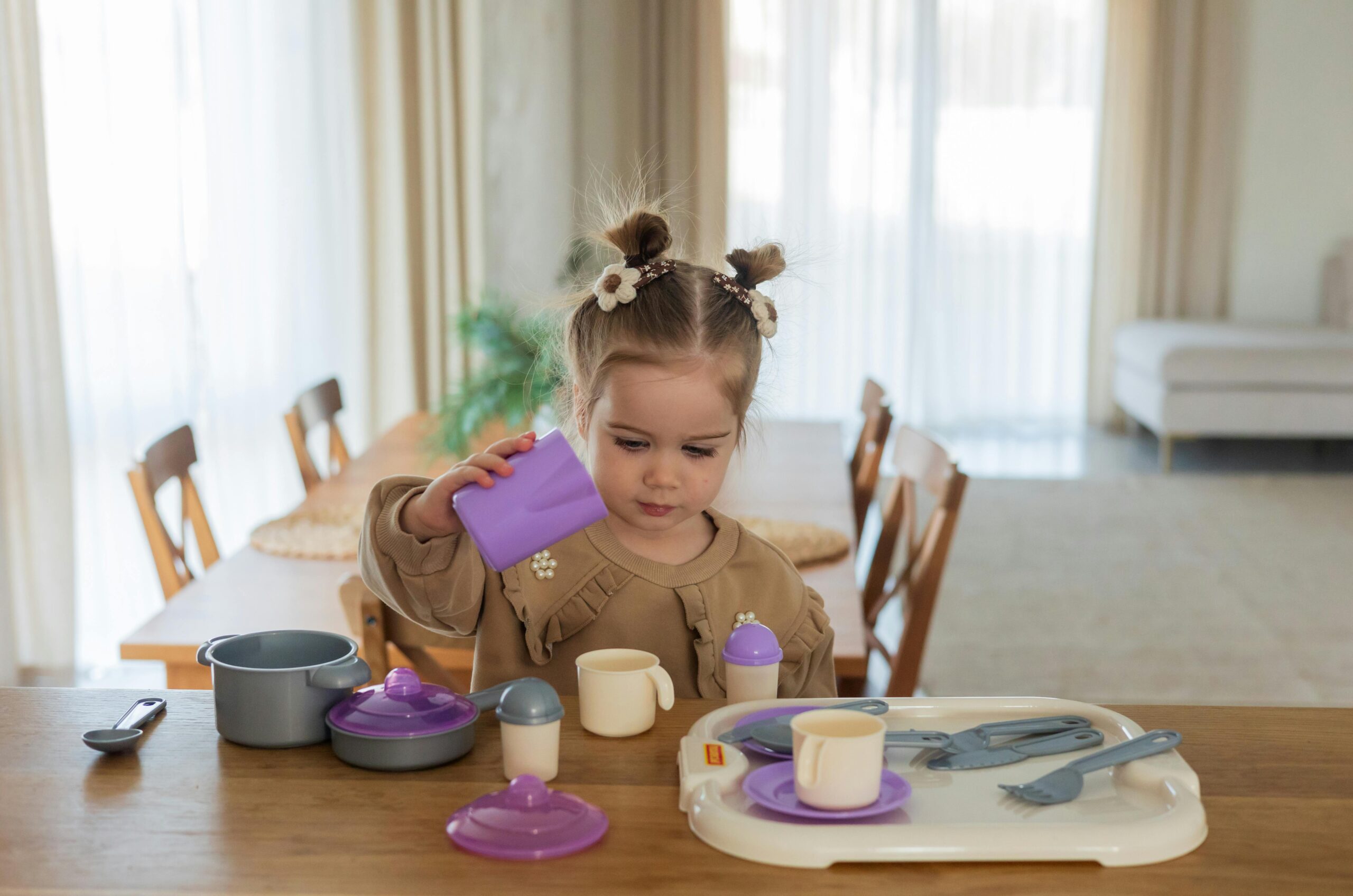
Preschoolers (3–5 years)
- Help set the table (This helps in counting plates, spoons and forks on table)
- Pack their school bag (with help)
- Choose their clothes
👉 Focus: Participation and choices – life skills for kids
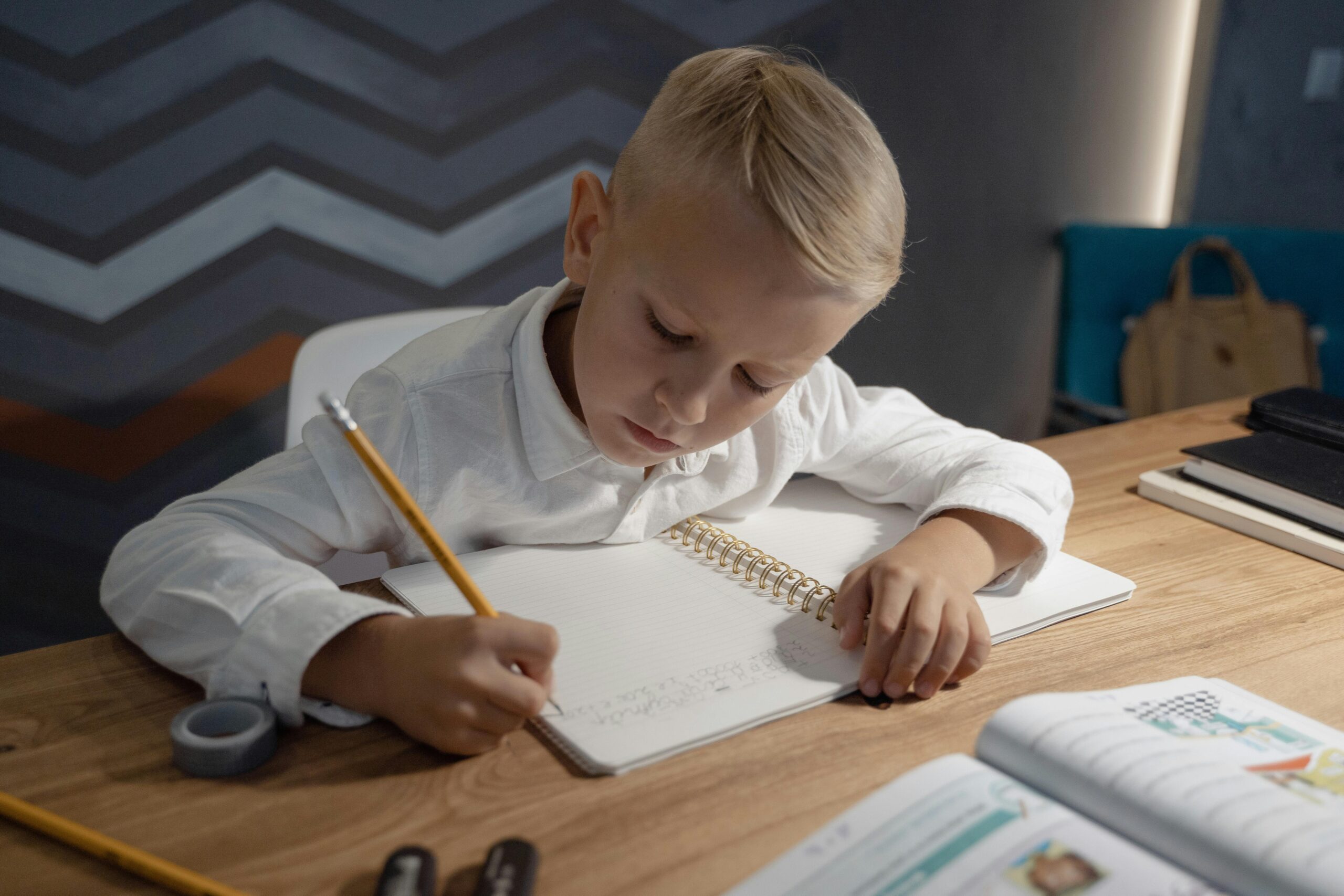
Early School Age (6–9 years)
- Manage homework routine (Mandatory hour)
- Clean up after play
- Take care of belongings
👉 Focus: Consistency and accountability
10 Powerful Ways to Teach Responsibility & Maturity to kids
1. Start Small (Really Small!)
Instead of expecting big changes, begin with tiny tasks: perfection come with practice and small changes in daily routine would definitely bring in those positive chances which would help them to face challenges of life.This will also inculcate the feeling of resonsibility.
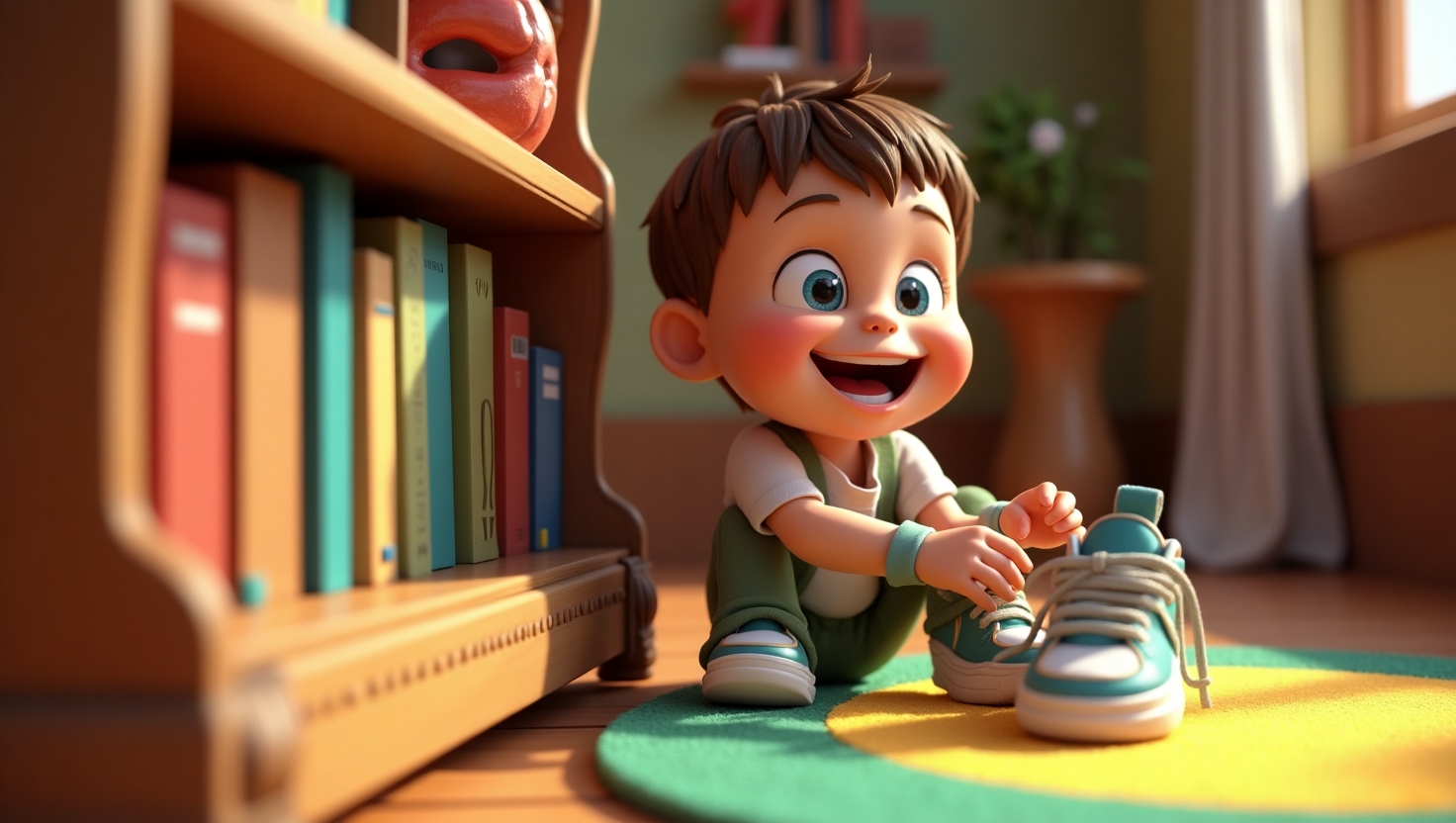
- Putting shoes in place
- Carrying their plate to the sink
👉 Small wins build confidence.
2. Give Choices (This Is a Game-Changer)
We as parent always try and take all the decisions for our child and feel that they might not be able to take a right one so need help. But this will never give them a chance to think and make choices.Responsibility and Maturity comes within when parents start trusting the child and letting it be sometimes.
Instead of:
❌ “Wear this now!”
Try:
✅ “Do you want the red shirt or the blue one?”
This simple shift:
- Builds decision-making and choices
- Reduces resistance
- Encourages independence and confidence

3. Assign Simple Daily Responsibilities
Children thrive on routine. This becomes an important part of their smooth transition and also cultivates a lot of discipline in them which would be a bliss in future. Sometimes we do it to save time but its better to give them a chance to try hands on. How can we teach responsibility and maturity as a part of daily routine? Please check below:
Examples:
- Morning: Make their bed (even if messy)
- Evening: Put toys away
👉 Repetition builds responsibility naturally.

4. Let Natural Consequences Teach
This is one of the most powerful (yet hardest) parenting tools. Sometimes give them a chance to commit a mistake so that they realise it and rectify on their own. Teaching responsibility and maturity doesnt really mean that they would do everything with perfection in the beginning itself.it takes time and you will notie the difference with consistency.
Example:
- If they forget their toy outside and it gets dirty → they learn to care next time
Important: Avoid harsh consequences—keep them natural and safe.

5. Stop Doing Everything for Them
This is where most of us struggle (out of love 💛) Parents feel that the pampering of this sort is the basic thing but this is the greatest mistake we as parents commit.it would become difficult for us to teach responsibility and maturity to child if we are overprotective and always covering the child.
But doing everything for your child:
- Reduces independence
- Delays maturity and reponsibility
👉 Instead, guide them—even if it takes longer.
6. Model Responsible Behavior
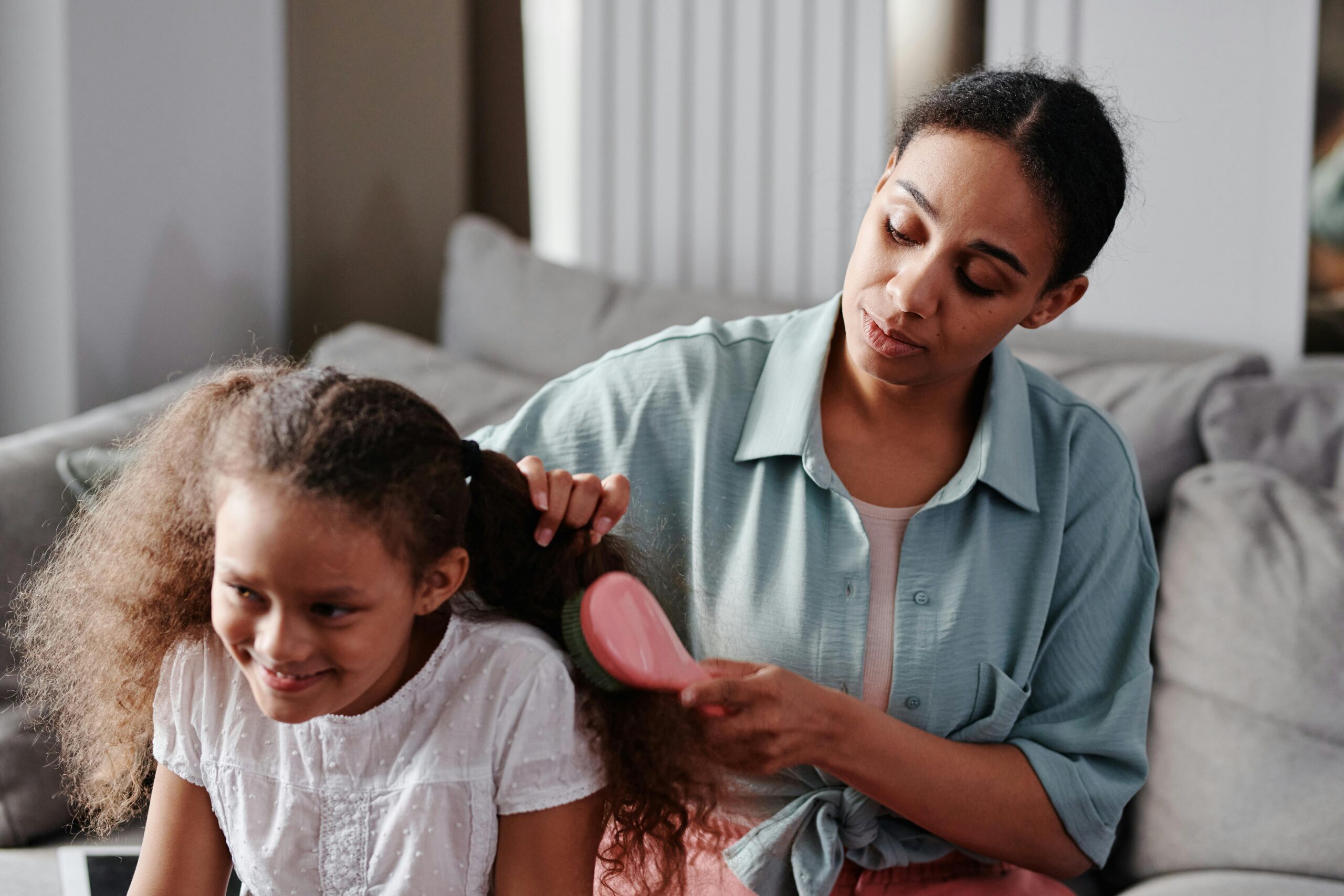
Children learn more from what you DO than what you SAY. They are great imitators.So be mindful in the words spoken or actions done.
If they see you:
- Keeping promises
- Managing time
- Staying calm under stress
👉 They absorb it naturally.

7. Teach Emotional Responsibility
Maturity is not just about actions—it’s about emotions. Teaching emotions is the foremost important thing for a child to develop and understand.
Help your child:
- Name their feelings
- Express without hurting others
Example:
👉 “I see you’re upset. It’s okay to feel angry, but not okay to throw toys.”

8. Praise Effort, Not Perfection
Do not wait for perfection from the beginning, Consider the efforts gone into the task.
Instead of:
❌ “Good job, you did it perfectly!”
Say:
✅ That was awesome! “I love how you tried to clean up on your own!”
👉 This builds:
- Confidence
- Growth mind-set
- Internal motivation

9. Create a Responsibility Routine Chart
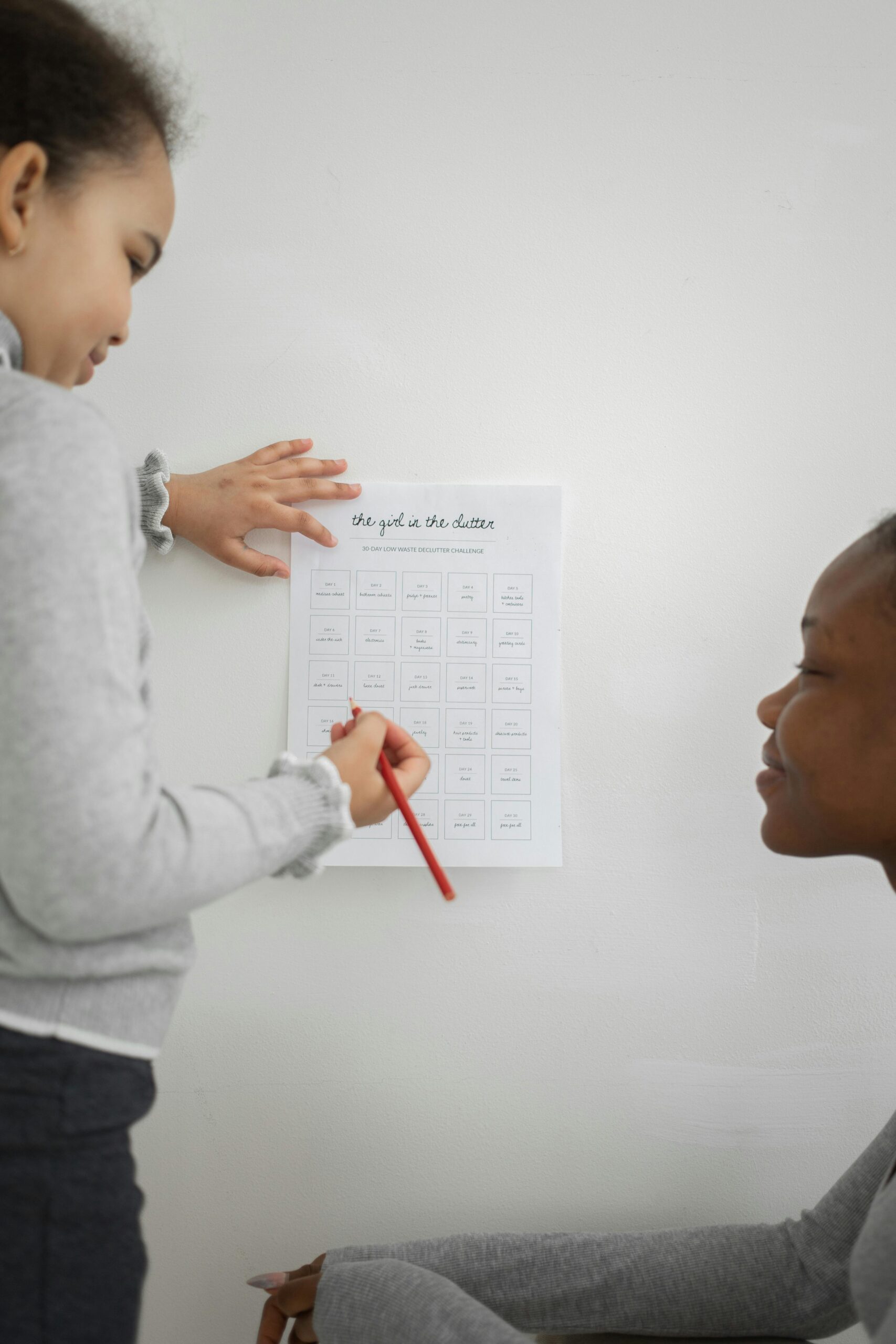
Kids LOVE visuals. Instead of just saying to them show them in pictorial form.
You can create:
- Morning checklist before they leave for school
- Evening routine after school
- Weekly chore chart (can be made at the weekend)
👉 This reduces constant reminders (and nagging!) Child will also get used to the routine for a smooth transition throughout the day.
10. Be Patient (This Takes Time)
Responsibility is not built overnight.it sometimes take a longer period than expected. So lot of patience is needed during this time.
There will be:
- Messy days
- Resistance
- Forgetfulness
👉 That’s part of the learning process. So don’t overthink or over stress on these matters.

A Real-Life Parenting Moment
A mother once shared how she always packed her 6-year-old’s school bag to “save time.”
One day, she decided to step back and check if the child was able to cope up with the tasks on his own.
The first week?
- Books forgotten
- Water bottle missing
But within a month?
Her child began:
- Checking the timetable
- Packing independently
- Feeling proud
👉 That’s the shift—from dependence to ownership.Teaching responsibilty and maturity to kids comes with lot of patience and time.
Teaching Responsibility & Maturity to Kids – Common Mistakes
Avoid these to make your efforts effective:
Overprotecting
Doing everything to “help” your child actually limits growth. Sometimes parents do it deliberately out of affection and sometimes feeling that it will save time.
Expecting Too Much Too Soon
Unrealistic expectations lead to frustration—for both sides. Give it some time to take up the shape and the execution.
Constant Nagging
Repeated reminders reduce responsibility instead of building it. This is the common mistake parents do and then realise it too late.
Punishing Instead of Teaching
Punishment creates fear—not understanding. Some parents and firm and strict that they instead of explaining the pros and cons and handling the situation in an amicable way, give punishments to the child.In this case the child will rebel instead of learning.
Simple Daily Habits That will Teach Responsibility and Maturity to Kids
Incorporate these small habits:
- Let your child solve small problems
- Encourage “What do you think?” conversations
- Give them time to complete tasks independently
- Involve them in family decisions
👉 These moments matter more than big lectures.
Conclusion: How to Teach Responsibility and Maturity to kids
Teaching responsibilty and maturity to kids at a early age is a process which comes gradually with efforts, patience and time.
Raising a responsible and mature child isn’t about strict rules or perfect behaviour.
It’s all about:
- Trusting your child
- Giving them space to learn
- Allowing small failures
Because every time your child:
- Makes a choice
- Fixes a mistake
- Completes a task
They are becoming a little more independent… and a lot more confident.
FAQs
Q1. At what age should you start teaching responsibility to kids?
Start as early as toddler years with simple tasks like putting toys away.
Q2. How do you teach responsibility without punishment?
Use natural consequences, routines, and positive reinforcement.
💬 Call to Action
If this resonated with you, start small today:
👉 Give your child ONE responsibility and let them own it.
And if you found this helpful, share it with another parent who might need this reminder 💛
Please do check out my other articles about
Fafo-parenting-the-bold-new-trend-teaching-kids-responsibility
Why EQ is more important than IQ?
Healthy One-Pot Meals for Busy Parents: Quick, Kid-Friendly Recipes Under 30 Minutes.
Happy Parenting!