

Introduction
Emotional intelligence in children is an important part of healthy social and emotional development. Alongside academic learning, children also need skills that help them understand emotions, manage challenges, build relationships and navigate everyday life.
Your child might score 98% in exams.
But what happens when they lose a competition?
When a friend excludes them?
When they fail at something for the first time?
Academic learning is important, but it is only one part of helping children prepare for life. Children today are growing up in a fast-changing, highly digital and socially complex world. Alongside academic knowledge, they also benefit from skills such as emotional awareness, empathy, communication, self-regulation and resilience.
So here’s the real question:
Are we preparing our children to solve equations — or to solve life?
In this article, you’ll discover how emotional intelligence (EQ) complements academic learning, how it can support children’s development, and practical ways you can nurture it at home.
Why Emotional Intelligence in Children Is the Real Future Skill
What Is IQ — And Why It’s Not the Whole Story?
IQ (Intelligence Quotient) measures cognitive abilities like:
- Logical reasoning – Logical reasoning is the systematic process of using structured thinking, inference, and deduction to analyze information, identify patterns, and arrive at valid conclusions. It is categorized into verbal (word-based), non-verbal (spatial/image-based), and analytical reasoning, essential for problem-solving in exams and professional environments like data analysis and management
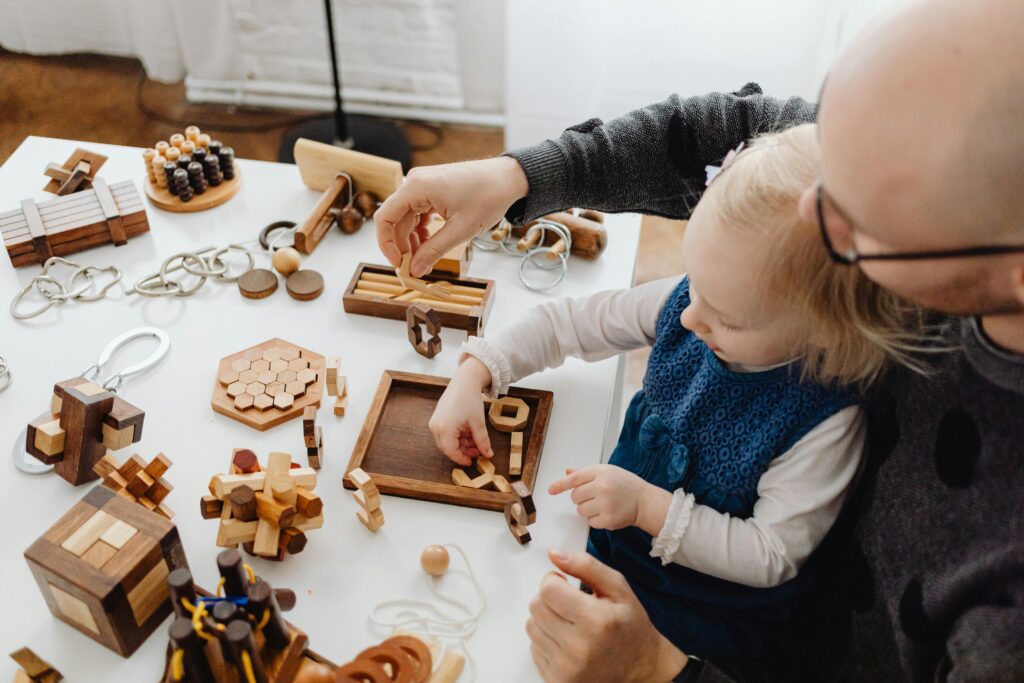
- Memory – Memory is the cognitive process of encoding, storing, and retrieving information, experiences, and skills. It is fundamental to personal identity, allowing the brain to retain data over time to influence future action, ranging from conscious memories (explicit) to automatic skills (implicit). Key stages include encoding, storage, and retrieval.

- Mathematical skills – Essential math skills for daily life and professional success include arithmetic (addition, subtraction, multiplication, division), percentages, fractions, decimals, and basic data analysis. These foundational abilities enable effective budgeting, measurement, and problem-solving, which are crucial for navigating work and everyday tasks
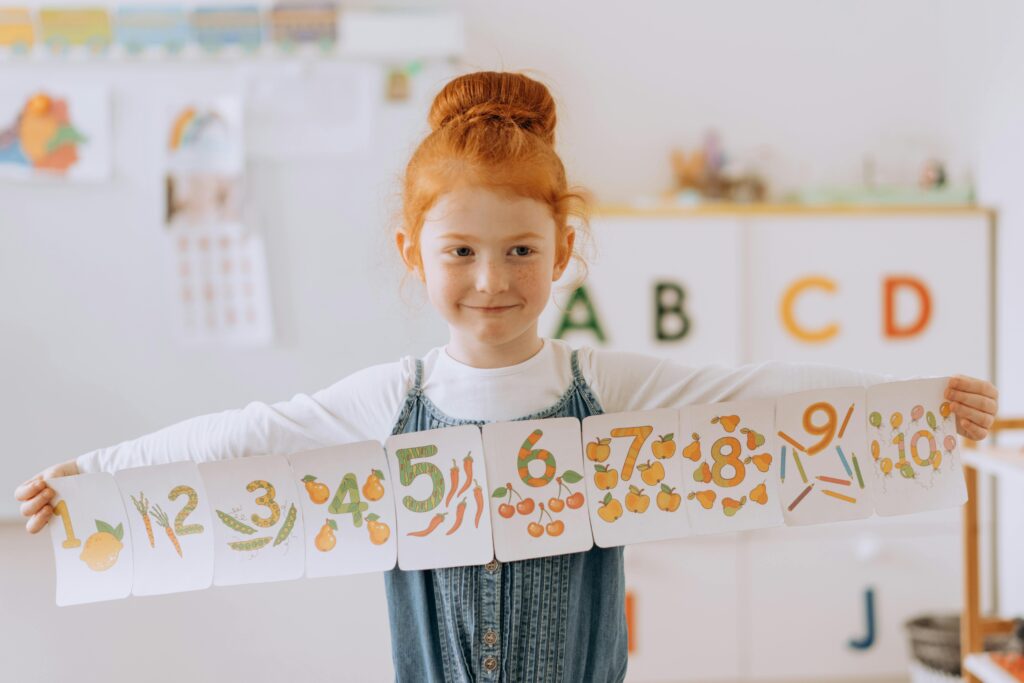
- Verbal ability – Verbal ability tests assess your proficiency in English, including grammar, vocabulary, and comprehension, to measure how well you process written information and reason through language-based problems. It is a critical component in hiring and competitive exams, covering skills like sentence correction, synonyms, antonyms, and reading comprehension

For decades, high IQ was seen as the ultimate predictor of success. Good grades meant a good college. Good college meant a good job. Simple.Emotional intelligence in children helps them manage emotions, build strong relationships, and adapt confidently in a rapidly changing world.
But life isn’t an exam sheet.
A child may be brilliant at math yet struggle to deal with 21st Century skills like:
- Handle criticism
- Work in a team
- Express emotions
- Manage frustration
- Build healthy relationships
And that’s where emotional intelligence comes in.
Why Emotional Intelligence in Children Matters More Than Ever
Research on emotional and social development highlights the importance of skills such as emotional awareness, self-regulation, empathy, communication and healthy relationships in children’s well-being and development.
Emotional Intelligence (EQ) refers to the ability to:
- Recognize one’s emotions
- Manage feelings appropriately
- Show empathy
- Resolve conflicts
- Build positive relationships
- Stay resilient during setbacks
Psychologist Daniel Goleman, who popularized emotional intelligence, explains that EQ includes self-awareness, self-regulation, motivation, empathy, and social skills.
In simpler terms?
EQ helps your child navigate the real worl
Why 2026 Is Different From 1996
The world our children are entering is dramatically different from the one we grew up in.When we prioritize emotional intelligence in children, we are preparing them not just for exams, but for life.
1. AI Is Changing Careers
Automation and artificial intelligence are changing many types of work. As technology continues to evolve, human skills such as empathy, communication, creativity, collaboration and emotional judgment remain important in many areas of life and work.
2. Social Pressure Is Digital
With social media and online platforms becoming part of many children’s lives, young people may encounter comparison, social pressure and difficult online interactions. Helping children develop emotional awareness, confidence and healthy coping skills can help them respond thoughtfully to these experiences.
3. Mental Health Awareness Is Rising
Children and teenagers may face a range of emotional and social challenges as they grow, including stress, disappointment, rejection and difficulty managing strong emotions. Academic ability alone does not prepare children for every emotional challenge. Helping children understand and manage their emotions can give them useful skills for coping with everyday difficulties and seeking support when they need it.
A Classroom Anecdote (From Real Experience)
After three decades in early childhood education, I’ve seen this pattern repeatedly.
Two children in the same class:
- Child A scores 100% consistently.
- Child B scores average marks.
But during a group activity:
- Child A gets upset when others don’t follow their ideas. He becomes restless and aggressive due to this.
- Child B listens, adjusts, collaborates, and encourages others. He is the favourite of his team due to his nature.
This classroom experience taught me that academic performance and interpersonal skills can look very different in the same child. A child may excel academically while still needing support with collaboration, frustration or communication. Another child may show strong listening, empathy and teamwork skills even without being the highest scorer in the class.Academic ability is valuable, but emotional adaptability and interpersonal skills can also help children navigate relationships, challenges and changing situations.
According to research from Harvard’s Center on the Developing Child – Link to Harvard Center on the Developing Child:
https://developingchild.harvard.edu/
7 Ways Emotional Intelligence Supports Children
- 1. EQ Builds Resilience
Failure is inevitable. Children with strong EQ:
- Process disappointment and try to do better next time
- Accept and Learn from mistakes
- Try again till they succeed
Instead of saying, “I’m bad at this,” they learn to say, “I’ll improve.”
Resilience can help children cope with disappointment, learn from setbacks and keep trying when things do not go as planned.

2. EQ Strengthens Relationships
Friendships, teamwork, marriages, workplaces — everything runs on emotional intelligence. Understanding emotions is not only crucial in any relationship but at the workplace too.
A child with strong cognitive skills may be good at solving complex problems. A child with strong emotional and social skills may be better equipped to understand others, communicate and work through conflicts. Children can develop both kinds of abilities, and each has an important role in everyday life.

3. EQ Improves Academic Performance
Emotional skills can support children’s ability to manage frustration, stay engaged and approach learning challenges with greater self-awareness. When children can recognize and regulate strong emotions, they may find it easier to focus on tasks, ask for help and keep working through difficulties.
Children who can regulate emotions:
- Focus better
- Handle exam stress
- Ask for help
- Persist in challenges
Emotional regulation can support children’s ability to stay focused and engaged when learning feels challenging.
The American Psychological Association explains that…https://www.apa.org/topics/emotion

4. EQ Supports Mental Health
Children who learn to recognize and talk about their emotions may become better equipped to communicate their needs and seek support when they are struggling. They can practise:
Thinking about how their actions may affect others
Expressing feelings appropriately
Asking for support when needed
Pausing before reacting
Communicating their thoughts and feelings clearly
Teaching children to name emotions (“I feel frustrated”) reduces behavioural issues significantly.

5. EQ Encourages Leadership
Modern leadership is no longer about authority. It’s about influence and empathy.
Future leaders need:
- Collaboration skills
- Conflict management
- Emotional awareness
These are EQ-driven abilities.

6. EQ Protects Against Peer Pressure
Emotionally intelligent children:
- Understand their values
- Resist harmful influence
- Make thoughtful decisions
- Lead instead of following.
They don’t just follow the crowd — they evaluate it.

7. EQ Prepares Kids for an Uncertain Future
In a rapidly changing world, adaptability matters more than memorization.
A child who can adjust emotionally will thrive in any environment. He also becomes strong in handing relationships and professional aspects of life.

8 Practical Ways to Raise Emotionally Intelligent Kids
Now the important part — what can parents actually do?
1. Label Emotions Daily
Instead of saying: “Stop crying.”
Try:
“I see you’re feeling disappointed.”
Naming emotions builds emotional vocabulary.
2. Validate Before Correcting
Validation doesn’t mean agreeing.
It means acknowledging feelings before guiding behaviour.
“I understand you’re angry. It’s okay to feel angry. It’s not okay to hit.”
3. Model Emotional Regulation
Children copy us.
If we shout when stressed, they learn shouting.
If we pause and breathe, they learn regulation.
4. Encourage Problem-Solving
Instead of fixing every issue, ask:
“What do you think we can do about this?”
This builds emotional confidence.
5. Teach Empathy Through Conversations
Discuss scenarios:
“How do you think your friend felt?”
Empathy is teachable.
6. Practice Gratitude Rituals
A simple gratitude practice can give children an opportunity to notice and express appreciation for positive moments in their everyday lives.
Simple habit:
“Tell me one good thing about today.”
7. Limit Overemphasis on Marks
Celebrate effort, persistence, kindness — not just grades.
When children feel valued beyond academics, they develop healthier self-worth.
8. Create a Safe Emotional Space
Let your child know:
“You can tell me anything.”
When children feel emotionally safe at home, they may find it easier to share their feelings, ask for help and build healthy relationships with others.
Common Parenting Mistakes That Lower EQ
Even loving parents sometimes unintentionally reduce emotional intelligence by:
- Dismissing feelings
- Over-solving problems
- Comparing siblings
- Rewarding only academic success
- Using shame to discipline
EQ grows in emotional safety — not fear.
EQ vs IQ: A Simple Comparison
| IQ | EQ |
|---|---|
| Involves reasoning and problem-solving | Involves understanding and managing emotions |
| Supports memory, logic and learning | Supports empathy, communication and relationships |
| Can support academic learning | Can support social and emotional development |
| Useful for many academic and cognitive tasks | Useful for handling emotions, relationships and everyday challenges |
The goal isn’t to ignore IQ. Both cognitive and emotional skills have value. Helping children develop both can give them a broader set of skills for learning, relationships and everyday life.
Final Thoughts: What Truly Defines Success?
Twenty years from now, your child’s report card will be stored away in a drawer.
But their ability to:
- Handle rejection
- Build friendships
- Manage stress
- Lead with empathy
- Stay resilient
These skills can continue to support children as they navigate friendships, challenges, learning and relationships as they grow.
As parents, we can ask ourselves: Are we giving our children opportunities to develop both academic abilities and emotional skills?
Because in today’s world, emotional intelligence is an important part of helping children navigate relationships, challenges and everyday life.
Call to Action
If this article resonated with you:
💛 Share it with another parent who needs this reminder.
💛 Reflect: What emotional skill will you focus on this week?
💛 Explore our related articles on gentle parenting and emotional resilience on Dewdrops and Giggles.
- Mindful Parenting
- Are we raising resilient kids?
- Rise of Slow Parenting trend
- What is Fafo parenting?
Together, let’s raise children who are not just smart — but emotionally wise.
Happy Parenting Friends!