
Introduction: Understanding Adolescence
A Season of Change and Chaos – Understanding adolescence can feel overwhelming for many parents. This phase is filled with emotional changes, social pressures, and an intense inner world that teens often struggle to explain.
The period of adolescence brings profound modifications to people’s lives. Teens experience the developmental stage
between youth and adulthood during which their bodies go through hormonal changes, and they search for self-identity. They feel intense mood swings from both additional social demands and increased academic requirements.
A popular Netflix show that explores this developmental period maintains high viewership, allowing parents to wonder what their teenagers’ faculties actually involve. This article breaks down teenage experiences while sharing both understanding and beneficial action methods that assist guardians, teachers, and parents.
Understanding Adolescence: Why Teens Act the Way They Do
The Adolescent Brain – Still Under Construction
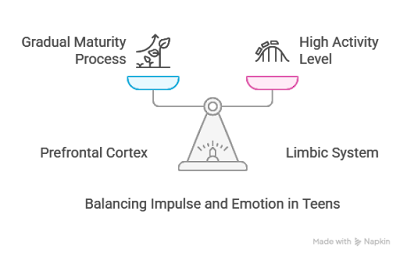
- The prefrontal cortex (responsible for judgment, planning,impulse control) matures gradually and only reaches full maturity in the mid-20s.
- The limbic system (emotions, reward, motivation) is already highly active in teens.
- This developmental imbalance explains:
- Impulsivity
- Risk-taking
- Intense emotional reactions
Strategy: Avoid labeling behavior as “dramatic.” Instead, validate emotions while calmly guiding decision-making.
Understanding Adolescence: Emotional Struggles Teens Face

Parents who focus on understanding adolescence rather than controlling behavior often build stronger emotional connections with their teens.
- Identity Confusion: “Whoam I? What do I stand for?”
This stage particularly is faced in teenage years when adolescents start doubting their beliefs, values and identity. Adolescents are also known to experiment with their identities, be it their dress code, friendships, work, interests, or opinions and even about career choices as they seek to make sense of what place they belong in the world. Although this may appear abnormal or alarming to parents, it is a normal and healthy aspect of adolescence life.
Teens during this period might appear confused, not outspoken or overly peer influenced. The day they can be sure of having solid opinions and the very next day they can switch their minds. This emotional push and pull is due to the fact that their brains are still immature, in particular, decision-making parts and the parts that control themselves. They are being taught how to sever their self identity with that of the family and yet they are in need of acceptance and approval.
Parents play a crucial role here. Instead of rushing to label or correct their teen, offering a safe space for open conversations helps immensely. When teens feel heard and respected, they gain the confidence to explore who they are without fear of judgment. Gentle guidance, empathy, and reassurance go a long way in helping adolescents build a strong, authentic sense of self.
- Mood Swings: Hormonal changes, peer dynamics, and academic pressures trigger mood changes.
Adolescence is often provoked by hormonal changes, changing relationships with peers and growing academic pressure leading to frequent changes of mood. Adolescents can alternate between excitement and frustration, confidence and self-doubt or joy and sorrow in a very short period of time. Such emotional ups and downs may be confusing not only to parents, but also to teenagers themselves, who are yet to learn how to interpret and control their emotions.
The teenage brain is growing fast alongside the body, and in particular, the brain is in the developmental phase concerning matters of emotions and impulse control. This increases the adolescent sensitivity to criticism, peer acceptance and daily stressors such as exams, friendship or social media engagement. What can pass as a minor inconvenience to an adult can be devastating to a teen situation.
Instead of taking mood swings as an act of defiance or attitude issues, it is possible to view them as an indicator of inner emotional conflicts. Mellow reactions, patience, and a steady emotional support can turn out to be very helpful. When parents affirm the teen by not belittling him/her, he/she will feel safer to express himself and learn to manage his/her feelings in a healthy manner.
- Low Self-Esteem:
Amplified by unrealistic beauty and success standards on social media.Unrealistic beauty, popularity, and success expectations promoted on social media usually aggravate low self-esteem in adolescence. Young people are always bombarded with highly edited photos and highlightreel that makes them think they are not pretty, not successful, or not good enough. The comparison might slowly undermine their self-esteem and confidence.
Likes, comments, and online validation are some of the ways in which many adolescents start to tie their self-esteem. In case there is no approval or negative feedback is received, it can have a significant emotional impact on them. In the long run, adolescents will begin to question their potentials, avoid socialization, and become excessively self-critical despite their potential and talent.
Parents are part of this solution as they should promote healthy discussions about social media and remind teenagers that what they see online is not always true to life. Dwelling on strengths, hard work and personal development instead of looking and successes will restore confidence. Once teens understand that they are worthy to be the way they are rather than the way they appear or perform, they stand a higher chance of building a strong and strong sense of self.
- Anxiety & Depression:
Increasingly prevalent due to performance stress and lack of emotional outlets.The levels of anxiety and depression are becoming more and more common among adolescents, usually because of the great pressure on performance and absence of healthy emotional outlets. The pressure to perform well in school, at home, and even on the internet may make teens feel continually judged and pressured. Stress accumulation without the right support may silently develop into a chronic worry, depression or emotional fatigue.
Most teenagers have a problem with stating how they feel lest they be judged and disappointed. Consequently, their emotional discomfort can manifest itself in irritability, withdrawal, sleeping problems or even a loss of motivation unexpectedly as opposed to the more overt symptoms of strategic anxiety or depression. These behaviors tend to be misinterpreted as a sign of laziness or attitude problem, yet they are rather symptoms of some emotional conflicts.
By establishing non-judgmental and safe places to talk, parents can be extremely influential. Being able to discuss their fears with their teens, acknowledging their feelings and making it acceptable that they need to take a rest and balance can reduce emotional load. Adolescents feel much more supported and can seek help when they feel emotionally supported and understood, which helps them acquire coping skills and resilience in tough times.
🧘 Strategy:
When parents invest time in understanding adolescence, they are better equipped to respond with patience instead of punishment.Normalize talking about feelings. Create a safe, emotionally respectful space that acknowledges emotions and avoids dismissing them.
Understanding Adolescence: Social Pressures and Peer Influence

- Peer influence becomes stronger than parental influence.
- Teens strive to belong, yet fear social rejection.
- FOMO, online trends, and likes affect their
self-worth.
Strategy:Peer pressure in teens
- Teach digital literacy and resilience.
- Discuss how authentic value differs from virtual validation.
Understanding adolescence – Teenage anxiety and depression

- Overbooked schedules + future anxiety = chronic stress.
- Performance pressure often leads to:
- Emotional exhaustion
- Withdrawal
- Mental health issues
Strategy:
- Promote time management and realistic goal setting.
- Celebrate effort over
outcome.
Understanding Adolescence:Parent-Teen Relationship Dynamics

- Adolescents seek independence and connection simultaneously.
- Emotional withdrawal isn’t rejection—it’s part of autonomy-building.
Strategies to Reconnect:Parent-teen relationship
- Ask open-ended daily check-in questions (without pressure for immediate response).
- Listen non-judgmentally.
- Set clear but empathetic boundaries.
- Share your own relevant experiences.
This stage of growth highlights why understanding adolescence is essential for building trust and emotional safety.
Technology, Screen Time & Online Identity
- Teens live between two worlds: physical and digital.
- Digital self-presentation affects real-life self-perception.
Strategies:
- Explain the difference between digital content and reality.
- Co-create tech usage rules through mutual agreements.
- Encourage weekly digital detox time.
The Power of Routine and Self-Care

Healthy routines are the backbone of teen mental wellness. Essential practices include:
Self-Care Strategies for Teens:Mental health in teenagers
- Journaling
- Creative hobbies
- Yoga or mindful movement
- 8–10 hours of sleep
- Balanced meals,
especially breakfast
Understanding Adolescence:When to Seek Help

Sometimes professional help is essential. Warning signs include: Digital identity in adolescence
🚩 Look For:
- Sudden academic decline
- Disinterest in previously loved activities
- Sleep or appetite changes
- Substance use
- Persistent sadness or withdrawal
🧑⚕️ Resources:
- School counselor or psychologist
- Licensed teen therapist
- Online therapy platforms like BetterHelp or Teen Counseling
Conclusion:
Understanding Adolescence: Empathy Over Perfection
Guiding a teenager isn’t about having all the answers—it’s about showing up, listening, and being there. Adolescence doesn’tneed to be “fixed”; it needs to be understood. The more we embrace their evolving identity, the more they’ll trust us on their journey.Ultimately, understanding adolescence allows parents to guide teens with empathy, respect, and open communication.
👉 Was this guide helpful?
Share it with a fellow parent or educator.
Please write a comment below if you liked the article above.Also check my other articles and let me know your feedback.
Raising resilient Kids VS Overprotection : Are we helping or harming?
Parenting Teens – Building Trust
Happy Parenting😍