
Introduction: Finding Peace With Childlessness
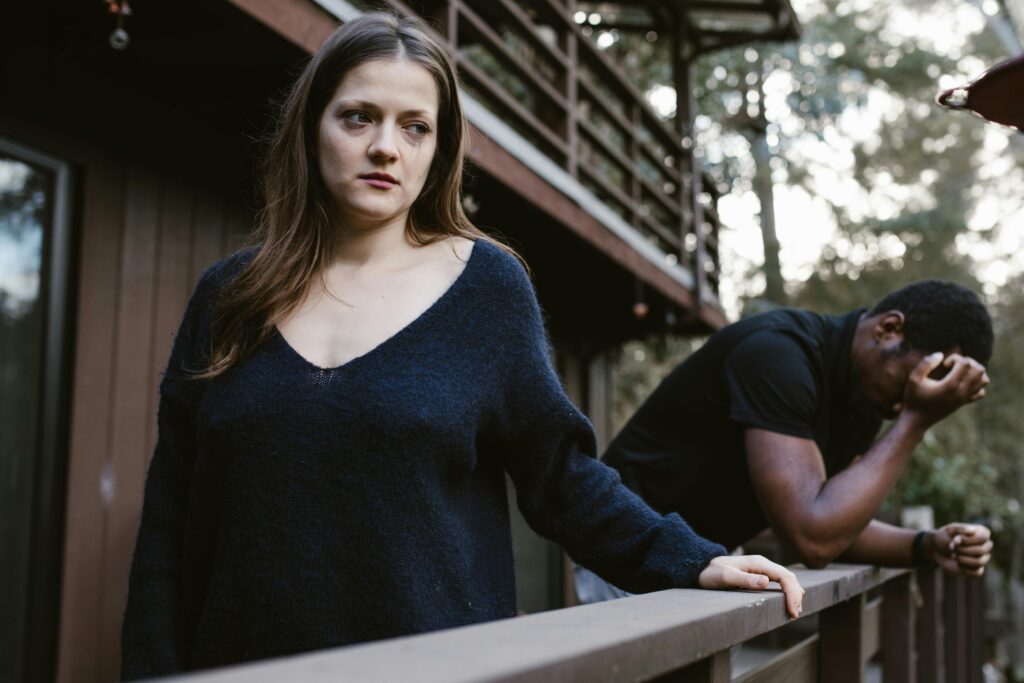
Childlessness acceptance can be a deeply personal journey when life does not unfold in the way someone imagined. For some couples, the path to accepting a childfree or childless life may involve years of questions, uncertainty, treatment decisions, difficult conversations, or simply learning to live with circumstances they did not choose.
There can also be a quieter kind of grief—the nursery that was imagined but never used, family milestones that look different, or questions from relatives and friends that become difficult to answer.
From the outside, a couple may appear completely fine. They may work, travel, laugh, celebrate, and continue with everyday life. Yet privately, they may still be working through questions about identity, relationships, expectations, and the future.
Acceptance does not necessarily mean that a person stops wishing things had been different. It can simply mean making room for the reality of the present while gradually discovering that a meaningful life can still take many forms.
This article explores the emotional journey of childlessness, the pressure couples may experience, the different paths they may consider, and gentle ways of finding meaning and peace without allowing parenthood—or the absence of it—to define their entire identity.
Important: There is no single “right” way to respond to childlessness. Every person’s circumstances, beliefs, relationship, and feelings are different.
The Social Pressure Around Childlessness
Many people grow up with an expectation that adulthood will follow a familiar path: education, relationships, marriage, and perhaps children. When life takes a different direction, couples may find themselves facing questions and expectations they never anticipated.
For some, the pressure may come from:
- Repeated questions from relatives or friends
- Seeing peers become parents
- Family gatherings where children are the focus
- Financial or emotional strain associated with fertility treatment
- Comparisons with other couples
- Changes in how partners communicate about the future
Sometimes even well-intentioned comments can feel difficult:
“Have you thought about trying again?”
“Why don’t you consider adoption?”
“Don’t give up hope.”
These comments may come from concern, but couples may still need space to decide what is right for them.
There is also an important difference between hope and pressure. A person can remain open to possibilities while also recognizing that repeated attempts, treatments, or difficult conversations may become emotionally exhausting.
Childlessness does not have one universal story. Some people continue exploring medical options, some consider adoption or other forms of caregiving, and some eventually decide to build a meaningful life without becoming parents.
The important question is not what other people expect, but what feels thoughtful, realistic, and right for the individuals involved.
When Fertility Treatment Becomes Emotionally Exhausting
For some couples, the journey toward parenthood can involve repeated appointments, treatments, financial decisions, uncertainty, and difficult emotions. Over time, the process can begin to affect everyday life and the relationship itself.
A couple may find that conversations increasingly revolve around appointments, test results, treatment plans, or future decisions. They may also feel tired of explaining their situation to others.
At such a point, it can be helpful to pause and ask:
Are we still comfortable with the path we are taking, or do we need time to reconsider what we want?
Taking a pause does not necessarily mean giving up. It can simply create space to think about emotional wellbeing, finances, relationships, and personal priorities.
For example, some couples may decide to spend more intentional time together, reconnect with hobbies, travel, or focus on other shared goals.
Acceptance can look different for everyone. For some people, it may mean continuing to explore parenthood while protecting their wellbeing. For others, it may mean gradually building a fulfilling life without pursuing further treatment.
The goal is not to force a particular decision. It is to make thoughtful choices that respect both partners and their emotional needs.

There comes a moment for some couples when they quietly ask:
Are we chasing parenthood… or are we losing ourselves?
One couple shared how their entire life revolved around treatment cycles. Their savings dwindled. Their conversations became medical updates. Their laughter faded.
When they finally paused — not out of defeat, but exhaustion — something changed. Changed beautifully and for betterment.
They rediscovered:
- Date nights
- Spontaneous trips
- Late-night conversations
- Peaceful mornings
Their marriage softened. Acceptance didn’t shrink their life. It redirected it.
Is Adoption the Right Path for Everyone
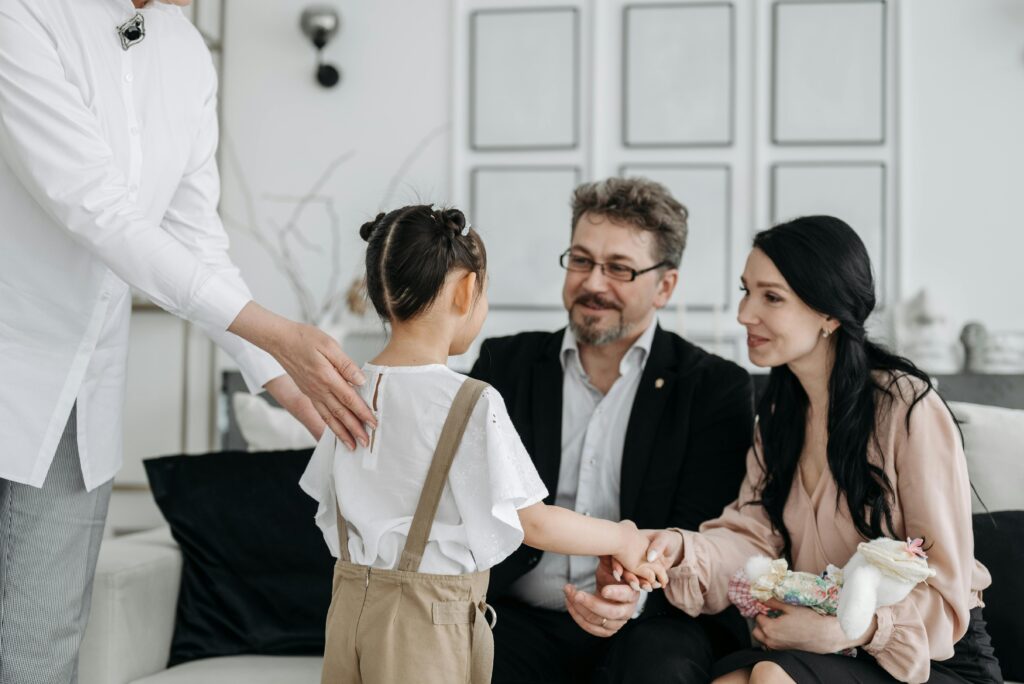
Adoption can be a deeply meaningful way to build a family, but it is not the right decision for every couple—and it should never be treated as an obligation or a solution to social pressure.
Couples may hear comments such as:
- “Why don’t you adopt?”
- “At least you won’t be alone.”
- “You should have someone to look after you when you’re older.”
These comments may be well-intentioned, but adoption is a lifelong commitment and deserves thoughtful consideration.
Before considering adoption, couples may want to reflect on questions such as:
- Are we emotionally ready to become parents?
- Are we prepared for the responsibilities of parenting?
- Have we had enough time to understand what adoption involves?
- Are we considering adoption because we genuinely want to parent, rather than because others expect us to?
- Can we approach the process with patience, openness, and a willingness to meet a child’s individual needs?
It is also important to remember that adoption is not a replacement for biological parenthood. An adopted child is not a solution to loneliness, family pressure, or an unmet expectation.
At the same time, experiencing grief or uncertainty about childlessness does not automatically mean someone cannot become a loving adoptive parent. People and circumstances are different.
The most important consideration is readiness for the responsibilities of parenting and the wellbeing of the child.
For some couples, adoption may become the right path. For others, it may not. Both decisions deserve respect.
There is no single definition of what makes a family complete.
The Power of Childlessness Acceptance
Redefining a “Complete” Life
When parenthood does not become part of someone’s life, it can sometimes affect how they see themselves and their future.
Questions such as “Who am I if I am not a mother?” or “What will my legacy be if I am not a father?” may arise.
But a person’s identity and worth are not defined by whether they become a parent.
A meaningful life can include many different roles and relationships. Someone may be:
- A loving partner
- A supportive sibling
- A caring friend
- A mentor or teacher
- A creative professional
- A volunteer
- A contributor to their community
Some couples may choose to invest their time and energy in:
- Supporting extended family
- Teaching or mentoring
- Building a business or career
- Travelling and exploring new interests
- Community service
- Creative projects
- Personal growth
Parenthood can be deeply meaningful, but it is not the only way to experience love, connection, contribution, or purpose.
Acceptance does not require pretending that the journey was easy. It can mean gradually allowing space for new possibilities while acknowledging the feelings that came before them.

Faith and Surrender
For some people, faith can provide comfort and perspective during difficult seasons of life. For others, meaning may come through relationships, personal values, community, creativity, or simply taking life one step at a time.
Faith does not have to mean expecting a particular outcome. It can be a way of acknowledging that some parts of life are beyond our control while focusing on what we can choose today.
One woman described her experience this way:
“I stopped asking why this happened to me. I started asking what life is inviting me toward.”
For her, that change in perspective helped her think about the future differently.
Acceptance does not mean suppressing sadness or pretending that everything is fine. Feelings can come and go, and there may be days when old questions return.
The aim is not to force yourself to “move on.” It is to gradually make room for a life that can hold both the feelings about what did not happen and appreciation for what is still possible.

Gentle Steps Toward Emotional Healing
Gentle Steps Toward Emotional Healing
If you are navigating childlessness, there is no fixed timeline for acceptance. Some days may feel peaceful, while others may bring sadness, frustration, or uncertainty.
A few gentle practices may help:
1. Communicate Honestly
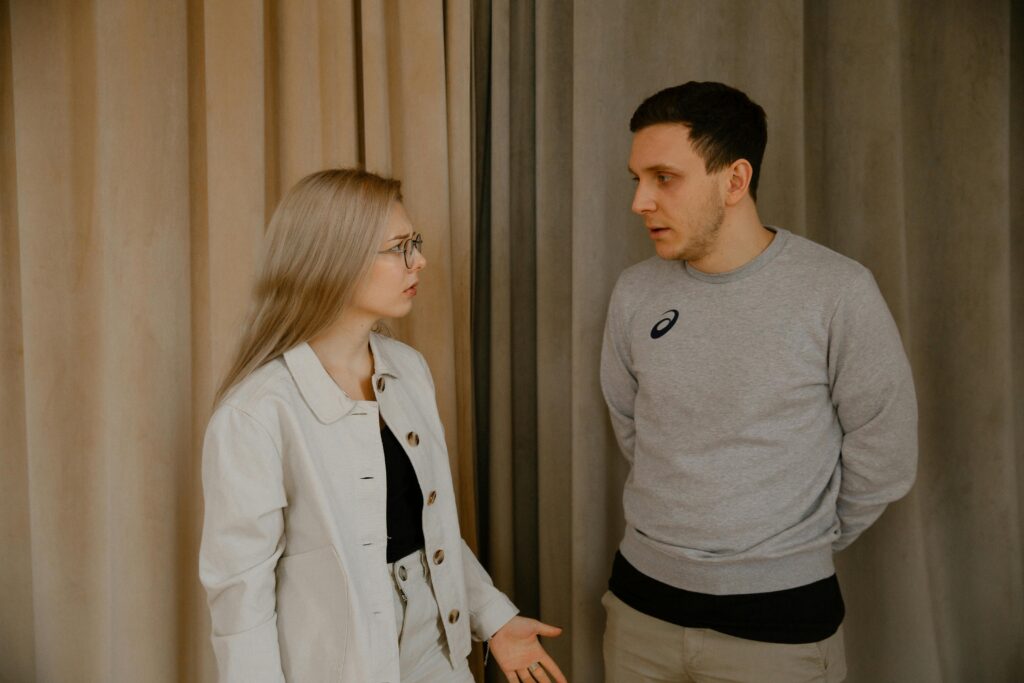
Your relationship deserves space for honest conversations—not just about parenthood, but also about your feelings and your hopes for the future.
Talk openly about:
- Emotional fatigue
- Fears and uncertainties
- Financial concerns
- Decisions about treatment or other options
- How you both imagine the future
You do not have to feel exactly the same way at the same time. Listening to each other without immediately trying to solve the problem can be valuable.
2. Allow Yourself to Grieve
Grief can be part of this journey. Feeling sad does not mean that you are ungrateful or that you have failed to accept your circumstances.
Give yourself permission to acknowledge difficult emotions rather than forcing yourself to be positive all the time.
Acceptance is not a straight line. Feelings may change over time, and that is okay.

3. Set Healthy Boundaries
You are allowed to decide how much of your personal journey you want to discuss with relatives, friends, or acquaintances.
A simple response might be:
“We appreciate your concern, but this is a personal matter and we would prefer not to discuss it.”
You do not owe everyone an explanation.

4. Redesign Your Vision
If your original plans for the future have changed, consider creating new shared goals.
These might include:
- Travel
- Financial planning
- Career or personal development
- Learning something new
- Volunteering
- Supporting your community
- Creative projects
A changed plan does not mean that there is no future to look forward to.

5. Permit Joy
You are allowed to laugh, celebrate, travel, enjoy friendships, and appreciate ordinary moments.
Enjoying life does not mean that your previous hopes were unimportant.
You can carry difficult feelings while still making room for happiness.
If the emotional weight feels overwhelming or begins to interfere significantly with everyday life or your relationship, speaking with a qualified mental-health professional or a trusted support person may also be helpful.

When Peace Begins to Feel Possible
Acceptance rarely happens all at once. It may develop gradually, through ordinary moments and changing perspectives.
You may begin to notice that:
- Family gatherings feel a little easier.
- Conversations with your partner feel less dominated by the past.
- Your home feels like your own space rather than a reminder of what you expected.
- You become more comfortable making plans for the future.
- Your identity begins to feel broader than the question of parenthood.
There may still be difficult days. That does not mean you have gone backwards.
Childlessness can remain one part of your story without becoming the definition of who you are.
Final Reflection: Finding Your Own Path
There is no single right answer when it comes to childlessness.
Some couples continue exploring treatment. Some consider adoption. Some decide to stop pursuing parenthood. Others may remain uncertain for a while before deciding what feels right for them.
What matters is making decisions that respect:
- Your emotional wellbeing
- Your relationship
- Your personal values
- Your financial and practical circumstances
- Your hopes for the future
You do not have to measure the meaning of your life by whether you became a parent.
A meaningful life can be built through love, relationships, creativity, work, learning, contribution, friendship, and countless other experiences.
If you are navigating childlessness, give yourself permission to take your own time. You can acknowledge what you hoped for while also discovering what is possible now.
Your life does not have to follow someone else’s definition of a complete life.
And sometimes, finding peace begins with allowing yourself to imagine a meaningful future that looks different from the one you originally planned.
You May Also Like
Happy Parenting!