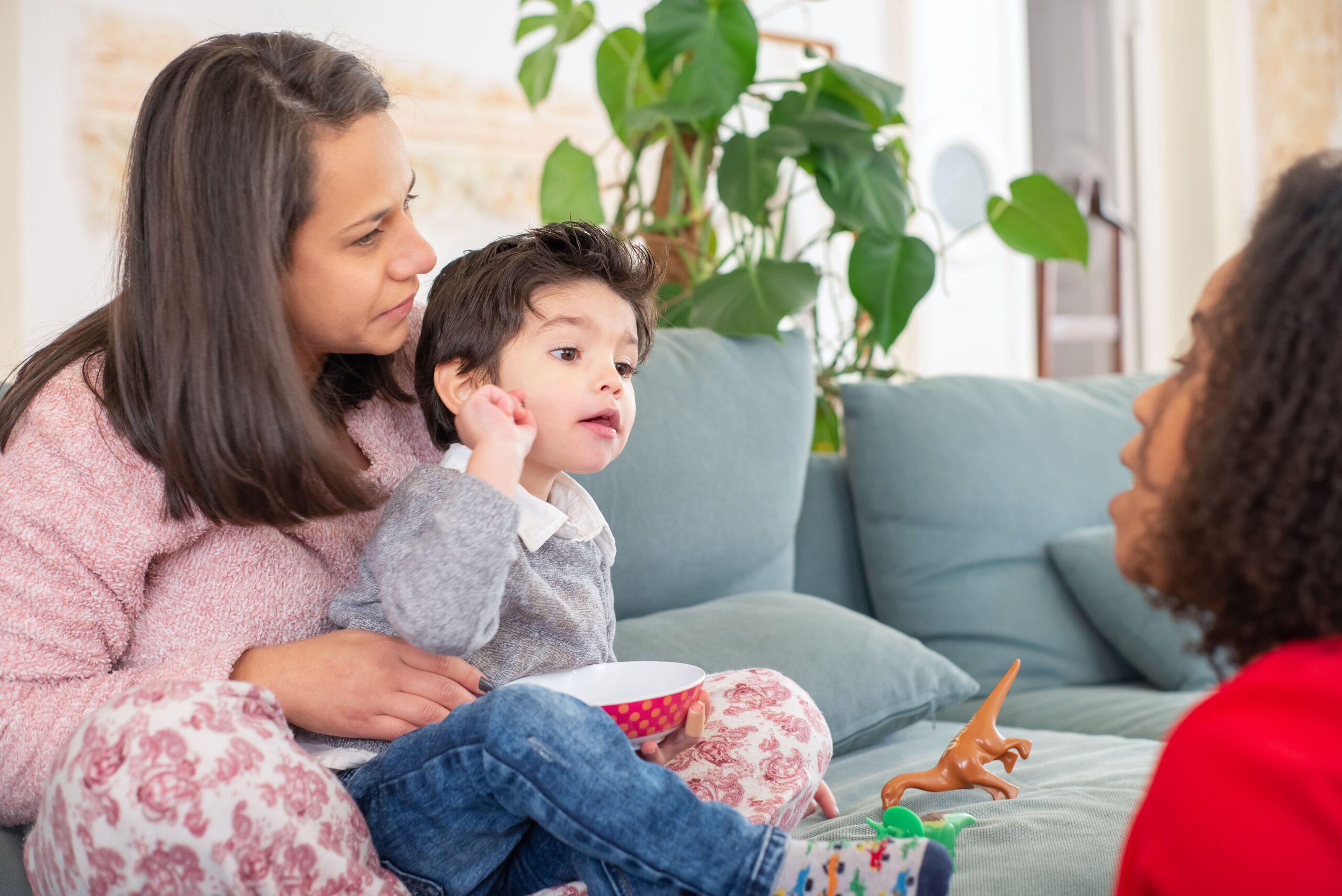
Recognizing the early signs of developmental delays in toddlers can help parents decide when to seek professional guidance and support.Early signs of developmental delays in toddlers can sometimes be subtle. As a parent, you may wonder whether your child is simply developing at their own pace or needs a little extra support. These questions are completely understandable, and noticing a possible concern does not mean something is necessarily wrong.
Toddlers develop skills across several areas, including speech and communication, movement, thinking and learning, and social and emotional development. Every child is different, and comparing your toddler with other children may not give you the full picture.
You might find yourself asking: Is my child reaching the milestones expected for their age? When should I continue encouraging them, and when should I speak to a pediatrician?
In this guide, we’ll explore the early signs of developmental delays in toddlers, what parents can observe in everyday situations, and practical ways to support a child’s development at home.
Remember: Developmental milestones are useful for monitoring progress, but they cannot diagnose a developmental condition. If you have concerns or notice your child losing skills they previously had, speak with your child’s pediatrician for guidance.
Language development includes both **understanding language and communicating with others**. Children may communicate through words, sounds, gestures, facial expressions, and actions.
Signs Parents Can Watch For
Depending on your toddler’s age, you may notice some of the following signs:
Not using gestures such as pointing or waving when these would typically be expected for their age.
Rarely attempting to communicate through sounds, gestures, or words.
Having difficulty understanding familiar words or simple, age-appropriate directions.
Using fewer words than expected for their age.
Not yet combining words when this would typically be expected.
Losing words or communication skills they previously used.
These signs do not automatically mean that a child has a developmental delay. However, if you have concerns about your toddler’s communication, speak with your pediatrician or a qualified speech-language professional.
What Parents Can Do
– Talk with your child during everyday routines. – Read picture books together and name familiar objects. – Respond to your child’s gestures, sounds, and attempts to communicate. – Give your child opportunities to point, choose, gesture, and use words. – Follow your child’s interests during play rather than turning communication into a test. – If you are concerned about your child’s speech or language development, discuss your concerns with your pediatrician or a qualified speech-language professional.
A hearing check may also be recommended when there are concerns about speech or language development, because hearing can affect how children learn to communicate.
Motor Skill Development
Motor development includes the large movements children use to sit, stand, walk, run, and climb, as well as smaller movements involving their hands and fingers.
Signs Parents Can Watch For
Depending on your toddler’s age, you may notice concerns such as:
Difficulty sitting, standing, walking, or moving in ways expected for their age.
Difficulty using their hands to explore, hold, or manipulate objects.
Trouble picking up small, age-appropriate objects or using toys during play.
Significant difficulty with everyday movements, such as walking, climbing, or running, when these skills would typically be developing.
Movements that appear unusually stiff, floppy, or uncoordinated.
Losing a movement skill they previously had.
One observation alone does not necessarily indicate a developmental delay. Children develop motor skills at different rates, but persistent concerns or the loss of previously acquired skills should be discussed with a healthcare professional.
What Parents Can Do
– Give your child safe opportunities for active play and movement. – Offer age-appropriate activities such as stacking blocks, drawing, building, and playing with simple puzzles. – Allow children opportunities to practice movements rather than doing everything for them. – Make sure the play environment is safe and appropriate for your child’s abilities. – If you notice persistent concerns about your child’s movement or motor skills, discuss them with your pediatrician.
Depending on the concern, a healthcare professional may recommend further evaluation or support from a physical or occupational therapist.
Social and Emotional Development
Social and emotional development helps toddlers learn to connect with others, express their feelings, and respond to the people around them. During the toddler years, children gradually develop social skills through everyday interactions with parents, caregivers, and other children.
Every child has a unique personality. Some toddlers are naturally outgoing, while others prefer to observe before joining an activity. However, certain ongoing patterns may be worth discussing with a healthcare professional.
Signs Parents Can Watch For
Depending on your toddler’s age and development, you may notice concerns such as:
Rarely responding to familiar people or showing limited interest in interacting with caregivers.
Making limited use of gestures, facial expressions, or other forms of communication to connect with others.
Finding it difficult to engage in social interactions expected for their age.
Rarely sharing attention or interest in objects and activities with a parent or caregiver.
Showing difficulty with age-appropriate play and interaction.
Losing social or communication skills they previously used.
One behavior alone does not establish a developmental delay. Children have different temperaments, and some are naturally more reserved in unfamiliar situations. If you notice persistent concerns about your child’s social communication or development, discuss them with your pediatrician.
What Parents Can Do
You can support your toddler’s social and emotional development through simple, everyday activities:
Spend quality time together: Talk, read stories, sing songs, and play together regularly.
Name emotions: Use simple words such as happy, sad, angry, or worried to help your child begin understanding feelings.
Encourage interaction: Offer opportunities to play with familiar children and family members without forcing participation.
Respond warmly: Acknowledge your child’s attempts to communicate through words, gestures, facial expressions, or sounds.
Model kindness: Show your toddler how to take turns, share when appropriate, and treat others gently.
Observe and seek guidance: If you have ongoing concerns about your child’s development, speak with your pediatrician.
Remember, toddlers are still learning how to understand and express their emotions. Patient guidance, loving interactions, and appropriate professional support can help you understand and respond to your child’s individual needs.
Cognitive Development
Cognitive development includes how children explore their surroundings, learn from experiences, solve simple problems, remember information, and gradually understand how things work.
Signs Parents Can Watch For
Depending on your toddler’s age and developmental stage, you may notice concerns such as:
Showing very limited interest in exploring objects, people, or their surroundings.
Having difficulty learning or using skills expected for their age.
Finding it difficult to understand simple, age-appropriate instructions.
Struggling with simple problem-solving activities that are appropriate for their developmental stage.
Showing limited engagement in age-appropriate pretend play.
Losing learning or thinking skills they previously demonstrated.
These observations should be considered alongside your child’s overall development. One difficulty alone does not establish a developmental delay. If you have ongoing concerns about your child’s learning, understanding, or progress, discuss them with your pediatrician.
What Parents Can Do
– Give your child safe opportunities to explore and discover. – Read books together and talk about what you see. – Encourage simple problem-solving through blocks, puzzles, sorting, and matching activities. – Follow your child’s interests during play. – Use everyday routines to introduce concepts such as shapes, colours, numbers, size, and cause and effect. – Encourage pretend play using simple toys and familiar objects.
If you have ongoing concerns about your child’s learning, understanding, or overall development, discuss them with your pediatrician. They can help determine whether developmental screening or further evaluation would be appropriate.
Sensory Experiences and Sensitivities
Some children respond strongly to everyday sensory experiences such as sounds, lights, touch, movement, smells, or textures. For example, a toddler may dislike certain clothing materials, become uncomfortable with loud noises, or avoid particular food textures.
Sensory preferences vary from child to child. However, when these responses are persistent or interfere with everyday activities, it may be helpful to discuss your observations with a healthcare professional.
What Parents Can Observe
Parents may notice patterns such as:
Strong reactions to particular sounds, lights, textures, smells, or types of touch.
Avoiding certain clothing materials, foods, or everyday experiences because they seem uncomfortable.
Repeatedly seeking particular types of movement or sensory experiences.
Becoming very upset or overwhelmed by certain sensory experiences.
These behaviors do not automatically mean that a child has a developmental delay or a sensory disorder. Children have individual preferences and sensitivities, and the significance of a behavior depends on the child’s overall development and how it affects everyday life.
If you notice that your toddler may not be developing certain skills as expected, you do not have to figure everything out on your own. Taking a few practical steps can help you understand your child’s needs and seek appropriate guidance.
What Parents Can Do
If you notice sensory sensitivities in your toddler, there are several gentle and practical ways you can support your child.
Observe patterns: Notice which sounds, textures, smells, lights, or activities seem uncomfortable for your child.
Keep simple notes: Record recurring patterns and what happens before or after your child becomes uncomfortable.
Make reasonable adjustments: Reduce overwhelming noise or make suitable changes to help your child feel more comfortable.
Introduce new experiences gradually: Give your child time to become familiar with new textures, sounds, foods, or activities without forcing participation.
Respect your child’s responses: Offer reassurance and choices rather than treating sensory discomfort as misbehavior.
Seek professional guidance: Discuss persistent or significant concerns with your child’s pediatrician.
If your child’s sensory responses regularly interfere with eating, sleeping, playing, learning, or other everyday activities, a healthcare professional can help determine whether further evaluation or support would be appropriate.
Remember, observing a pattern is not the same as diagnosing a condition. Your observations can help you explain your child’s needs and seek suitable guidance.
Steps to Take If You Have Concerns About Your Child’s Development.
Observe and Record Your Child’s Progress
Keep simple notes about the skills your child is developing and any behaviors that concern you.
Instead of writing only “not talking,” for example, note how your child communicates through words, sounds, gestures, pointing, facial expressions, or actions.
Specific examples can help your child’s healthcare professional understand what you have observed.
Talk to Your Pediatrician
Share your observations and concerns with your child’s pediatrician. Explain which skills concern you, when you first noticed them, and whether your child has lost any skills they previously had.
Ask whether developmental screening or further evaluation would be appropriate. Your pediatrician can help determine the next steps based on your child’s individual needs.
Ask About Early Support
If your child needs additional developmental support, seeking appropriate services can help you understand and address their needs.
Depending on the concerns, support may involve a speech-language therapist, physical therapist, occupational therapist, or developmental specialist.
The right support varies from child to child. A qualified professional can guide you towards suitable services rather than assuming that every child needs the same intervention.
Support Your Child at Home
Continue talking, reading, singing, playing, and interacting with your child in ways that are enjoyable and appropriate for their age.
Offer opportunities to explore, practise new skills, and communicate without pressure. Celebrate your child’s efforts and progress rather than comparing them with other children.
Everyday interactions can encourage learning and connection, but they should not replace professional evaluation when concerns arise.
Stay Informed Without Becoming Overwhelmed
Reliable information about developmental milestones can help you understand what to observe, but online checklists cannot diagnose a developmental condition.
Try to focus on your child’s individual progress rather than worrying about every milestone. If something concerns you, write down your questions and discuss them with a qualified healthcare professional.
Remember, seeking advice does not mean you have failed as a parent. It means you are taking your child’s needs seriously and looking for the right guidance.
Frequently Asked Questions
What are the early signs of developmental delays in toddlers?
Early signs may include difficulties with age-appropriate communication, movement, learning, or social interaction. Losing skills a child previously had is also a reason to seek professional advice. Every child develops differently, so concerns should be discussed with a pediatrician rather than assessed using a checklist alone.
When should parents be concerned about developmental delays?
Parents should speak with their child’s pediatrician if they notice persistent concerns about development, their child is not gaining expected skills, or they lose skills they previously had. You do not need to wait for a routine check-up if something worries you.
Can toddlers catch up on developmental milestones?
Some children develop particular skills later than others, while some benefit from additional support. The next steps depend on the child’s individual needs. A healthcare professional can help assess development and recommend appropriate support.
How can parents support a toddler’s development at home?
Everyday activities such as talking, reading together, singing, playing, exploring safely, and responding to a child’s attempts to communicate can support learning and connection. These activities complement, but do not replace, professional evaluation when concerns arise.
Who should parents consult about developmental delays?
Start with your child’s pediatrician. Depending on the concerns, they may recommend developmental screening or referral to a qualified specialist, such as a speech-language therapist or occupational therapist.
Supporting Parents Through Developmental Concerns
If you notice possible signs of developmental differences in your toddler, it is natural to feel worried, uncertain, or overwhelmed. Remember that noticing a concern does not automatically mean your child has a developmental disorder.
Try to focus on what your child can do, which new skills are emerging, and what you have observed over time. Every child has their own strengths, and your observations can help you understand when additional guidance may be useful.
You do not need to diagnose a developmental delay yourself or compare your toddler with other children. If something concerns you, speak with your child’s pediatrician and ask whether further screening or evaluation would be appropriate.
Continue offering opportunities for your child to play, communicate, explore, and learn in a supportive environment. Small everyday interactions—such as reading together, talking during routines, singing songs, and playing—can help strengthen your connection with your child.
Remember: Asking for professional guidance is a positive step. You do not have to navigate every question about your child’s development alone.
Helpful resources for Parents
CDC — Developmental Milestones: The CDC provides milestone checklists that help parents track how children play, learn, speak, act, and move. The checklists are intended for monitoring and are not a substitute for formal developmental screening.
American Academy of Pediatrics — Developmental Concerns:** The AAP explains developmental screening and what parents can do when they have concerns about their child’s development.
ASHA — Communication Milestones: The American Speech-Language-Hearing Association provides communication milestones from birth through age 5 and guidance on when to seek help from a speech-language pathologist or audiologist.
Conclusion: Supporting Your Toddler’s Development with Confidence
Parenting is a beautiful journey filled with joys, challenges, and countless questions. As an educator with 30 years of experience and a mother for over 20 years, I understand that no two children develop in exactly the same way.
Understanding developmental milestones can help parents observe their child’s progress without turning development into a competition. While children develop at different rates, persistent concerns or the loss of previously acquired skills should never be ignored.
If you are concerned about your toddler’s development, start by noting what you observe and discussing your questions with your child’s pediatrician. Professional guidance can help you understand your child’s needs and determine whether further assessment or support would be helpful.
Above all, celebrate your child’s individual strengths, offer opportunities to learn through everyday play, and remember that asking for help is a sign of care, not failure.