
Introduction
Raising resilient kids is an important part of parenting, but resilience does not mean expecting children to handle every challenge on their own.
Children need both emotional support and age-appropriate opportunities to practise independence, problem-solving, and coping with everyday challenges.
Gentle parenting has encouraged many parents to think more carefully about empathy, communication, and how they respond to children’s emotions. At the same time, children also need clear boundaries and consistent guidance.
The real question may not be whether parents should choose gentle parenting or firm boundaries. Instead, it is how we can combine connection, empathy, boundaries, and reasonable expectations in ways that suit a child’s age and individual needs.
In this article, we’ll explore practical ways parents can support resilience while avoiding both unnecessary harshness and unnecessary overprotection.

How Raising Resilient Kids Builds Emotional Strength
Resilience develops gradually. Children can build it when they have supportive relationships, opportunities to practise skills, and age-appropriate chances to experience frustration, solve problems, and try again.
Gentle parenting can support this process by encouraging parents to respond to children’s emotions with empathy while still providing guidance and limits.
For example, if a toddler has a tantrum in a grocery store, a parent might acknowledge the child’s feelings while also maintaining the boundary:
“I know you’re upset because you want that toy. We’re not buying it today. Let’s take a breath and decide what we can do next.”
The child is not being punished for having a feeling, but the boundary remains.
This combination of emotional support and clear expectations can help children practise coping with everyday disappointments while knowing that a trusted adult is there to guide them.
There is no single parenting approach that works perfectly for every family. What matters is responding to the child’s age, temperament, circumstances, and needs while providing consistent and respectful guidance.
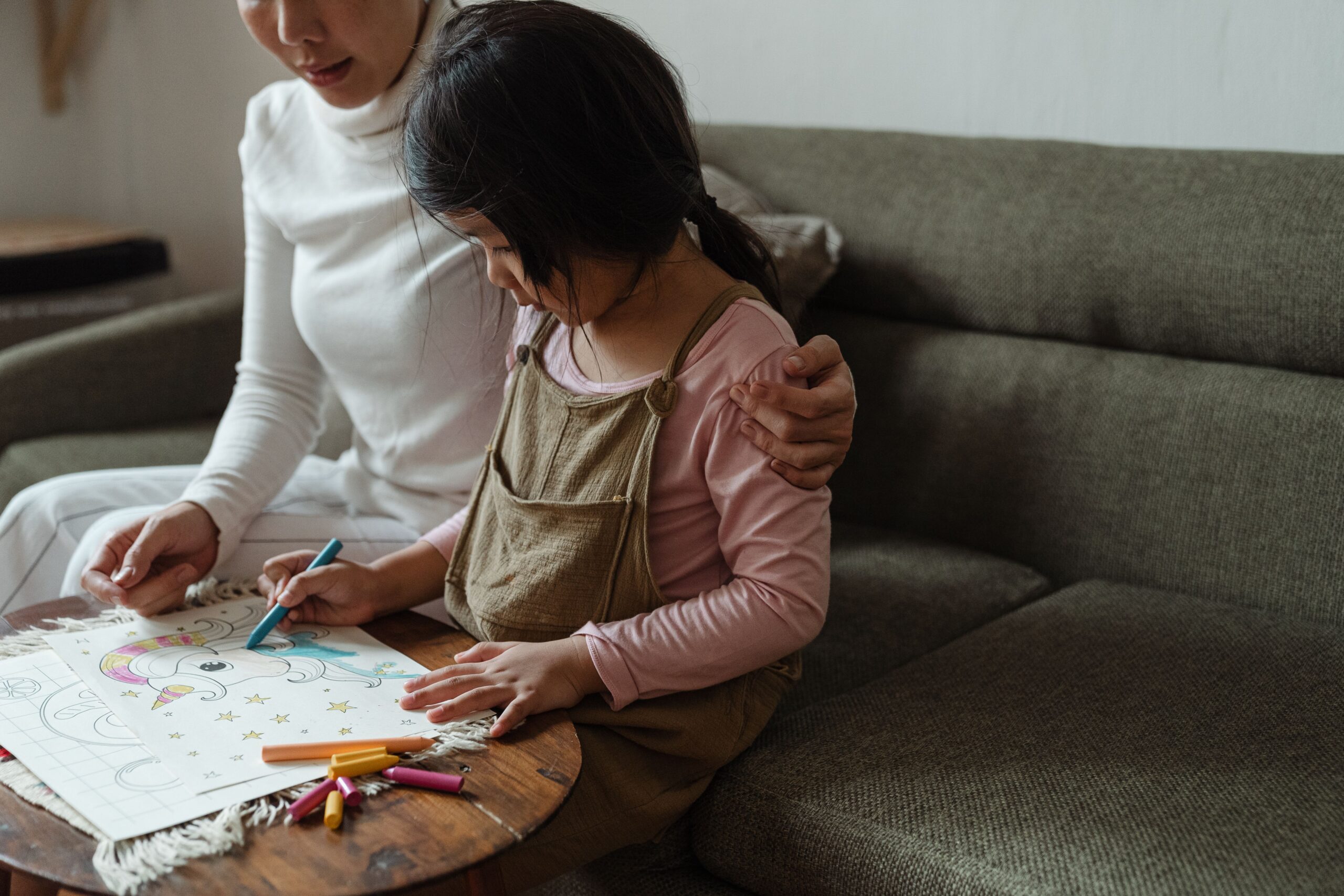
The Case for Gentle Parenting
Gentle parenting places importance on empathy, respect, and understanding. Instead of responding to difficult behaviour with harsh punishment, parents try to understand what may be behind the behaviour and guide the child toward a more appropriate response.
For example, when a child is upset, a parent might acknowledge the feeling while helping the child understand what is and isn’t acceptable:
“I can see that you’re angry. It’s okay to feel angry, but it’s not okay to hit. Let’s find another way to show how you feel.”
This approach can give children opportunities to talk about their emotions and learn from difficult situations.
However, gentle parenting does not mean removing all limits or saying yes to every request. Children still need age-appropriate boundaries, routines, and guidance.
For many families, the most practical approach is to combine emotional connection with clear expectations: “I understand how you feel, and this is still the boundary.”
There is no need to view empathy and boundaries as opposites. They can work together as part of everyday parenting.

The Importance of Boundaries in Parenting
Boundaries give children clear information about what is expected of them. They can also provide consistency and predictability, which can be helpful as children learn to manage everyday responsibilities.
For example, having a reasonably consistent bedtime can help a child understand that sleep is an important part of the family’s routine. Similarly, rules about screen use, homework, sharing, or respectful behaviour can give children clear expectations.
Boundaries do not have to be harsh. Parents can communicate a limit calmly while still acknowledging a child’s feelings.
For example:
“I know you want to keep playing, but it’s bedtime. You can choose one last book or we can talk for a few minutes before lights out.”
Children will not always accept a boundary happily—and that’s okay. Part of growing up is learning that disappointment and frustration are normal feelings that can be managed with support.
The aim is not to prevent every difficult feeling. It is to give children opportunities to experience manageable challenges while knowing that their parents are there to guide them.
Finding the Balance: Raising Resilient Kids with Gentle Parenting and Boundaries
Raising resilient kids does not have to mean choosing between empathy and boundaries.
Parents can acknowledge a child’s feelings while still maintaining reasonable limits and expectations.
For example, if your child does not want to complete homework, you might say:
“I understand that you’re frustrated with your homework. Let’s take a short break and then work out how to make it easier. The homework still needs to be completed.”
The child learns two things at the same time: their feelings matter, and responsibilities still matter.
This balance can also be applied to everyday situations such as bedtime, screen use, chores, sharing, and handling disagreements.
Parents can ask themselves:
- Am I listening to my child’s feelings?
- Is the boundary clear and appropriate for their age?
- Am I giving my child opportunities to solve manageable problems?
- Am I stepping in because help is genuinely needed, or because I want to prevent every difficulty?
Resilience is built gradually through everyday experiences. Children need support, but they also need opportunities to practise coping, making decisions, and trying again.
Everyday Examples: Gentle Parenting and Boundaries in Action
Sometimes the balance between empathy and boundaries becomes easier to understand through everyday situations.
Example 1: When a Child Doesn’t Want to Share
Imagine a 4-year-old who becomes upset when a sibling wants to play with a favourite toy.
Instead of immediately scolding the child, a parent might say:
“I can see that you really want to keep playing with your toy. It’s hard to share something you enjoy. Your sister would also like a turn. Let’s work out a way for both of you to play.”
The parent acknowledges the feeling while still helping the child learn about sharing and consideration.
Example 2: When Screen Time Ends
Imagine a 6-year-old who becomes upset when screen time is over.
A parent might calmly say:
“I know you’re disappointed that screen time is finished. It’s okay to feel upset. The screen still needs to be turned off now. Would you like to choose what we do next?”
Again, the child’s feelings are acknowledged, but the family boundary remains.
These examples show that empathy does not have to mean removing a boundary, and setting a boundary does not have to mean ignoring a child’s feelings.
Every child and family is different. Parents can adapt their approach according to the child’s age, temperament, circumstances, and needs.
Practical Tips for Raising Resilient Kids
Here are simple ways parents can combine emotional connection, boundaries, and opportunities for children to build independence.
1. Remember That Boundaries Are Part of Parenting
Gentle parenting does not mean saying yes to everything. Children need clear, age-appropriate expectations and limits.
2. Be Calm but Firm
Try to communicate rules without shouting or humiliating your child. A calm response can help keep the focus on the behaviour and the boundary.
3. Involve Children When Appropriate
For age-appropriate household rules, invite children to share ideas. This can help them understand why a rule exists and practise responsibility.
4. Be Consistent
Children benefit from knowing what to expect. Try to follow through on important family rules while allowing reasonable flexibility when circumstances change.
5. Validate Feelings While Keeping the Boundary
You can say:
“I understand you’re upset that playtime is over, but it is time for bed.”
A child’s feeling can be accepted without changing every limit.
6. Model the Behaviour You Want to See
Children observe how adults handle frustration, disagreements, mistakes, and responsibilities. Model respectful communication and patience where possible.
7. Allow Safe, Natural Consequences
When appropriate, let children experience the reasonable results of their choices instead of immediately solving every problem for them.
For example, if a child forgets to bring a school item, an age-appropriate response may be to help them think about how they can remember it next time.
8. Connect Before You Correct
A strong relationship gives children a secure base from which to learn. Connection does not mean avoiding correction; it means correcting with respect.
9. Be Flexible When Circumstances Change
Not every situation needs the same response. Consider your child’s age, needs, and what is happening before deciding how firmly to respond.
10. Encourage Problem-Solving
Instead of immediately giving every answer, ask:
“What do you think we could do?”
Give children opportunities to think through manageable problems and try solutions with appropriate support.
You May Also Like
If you’re exploring related parenting topics, you may also find these articles helpful:
- FAFO Parenting: Natural Consequences, Responsibility & Independence
- Early Signs of Developmental Delays in Toddlers: A Parent’s Guide
Conclusion
Raising resilient kids is a gradual process. Children need love, connection, guidance, and opportunities to experience manageable challenges.
As a parent, I have learned that there is no perfect formula. Parenting involves observing, adjusting, making mistakes, and learning along the way.
Rather than choosing between being gentle and setting boundaries, we can aim for a balanced approach: listen to children, acknowledge their feelings, set reasonable limits, and give them opportunities to learn and try for themselves.
Every child is different, so what works for one family may need to be adapted for another.
Happy Parenting! 🌷