

Introduction
Toddler self esteem begins developing through everyday experiences at home. The way parents listen, offer encouragement, and allow children to try new things can help toddlers feel valued, capable, and secure.
I still remember watching a three-year-old proudly zip up her jacket for the first time. “You did it all by yourself!” I cheered. Her eyes sparkled with pride, and that little moment reminded me of something important: confidence often grows through the simplest everyday experiences.
As an educator, I’ve seen how much children benefit when adults give them opportunities to try, make mistakes, ask questions, and learn at their own pace. Confidence isn’t about being the loudest child in the room or getting everything right. It’s about feeling safe, valued, and capable of trying again when something doesn’t work out.
The good news is that you don’t need expensive toys or special programmes to nurture your toddler’s self-esteem. Small, consistent habits—listening with attention, encouraging independence, acknowledging effort, and setting loving boundaries—can make everyday family life a powerful learning experience.
In this article, we’ll explore nine practical habits you can introduce at home to help your toddler develop confidence, independence, and a healthy sense of self, one little moment at a time.
Why Toddlers self esteem matters? – 9 Everyday Habits That Strengthen Your Toddler’s Self-Esteem
1. Let Them Do “Big Kid” Tasks—even If It’s Messy
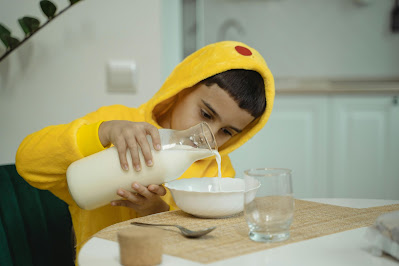
Have you ever watched your toddler insist on putting on their own socks, pouring water, or carrying a small bag? It may take longer than doing the task yourself, and there might be a little mess along the way. But these everyday attempts are valuable opportunities for learning.
When we allow toddlers to try simple tasks independently, we send a reassuring message: “I believe you can learn.” Your child may not succeed on the first attempt, and that’s perfectly fine. Confidence grows when children get opportunities to practise, make mistakes, and try again with a caring adult nearby.
Try this at home: Let your toddler choose between two outfits, put toys into a basket, help place napkins on the table, or put on their socks. Offer help when needed without taking over immediately.
Pro Tip: Focus on effort rather than perfection. Instead of correcting every little mistake, try saying, “You worked hard to put that on!” Choose tasks that are safe for your child’s age, and stay nearby when needed. Avoid letting toddlers handle hot drinks, sharp utensils, or other hazards independently.
2. Say Their Name with Joy and Give Them Your Attention
Have you ever called your toddler’s name while cooking, checking your phone, or thinking about the next task on your list? It happens to all of us. Family life can be busy, and parents cannot give their children undivided attention every minute of the day.
But small moments of connection matter. When you pause, turn towards your child, and respond warmly, you help them feel noticed and valued. Over time, these everyday interactions can support a sense of security and belonging.
Try this at home: When your toddler comes to show you a drawing or tell you something, pause for a moment if you can. Say their name warmly, get down to their level when comfortable, and listen to what they want to share.
Pro Tip: You don’t have to maintain constant eye contact. Some children feel more comfortable talking while playing or sitting beside you. What matters most is responding with warmth, interest, and attention when you can.
3. Turn Mistakes Into Learning Moments
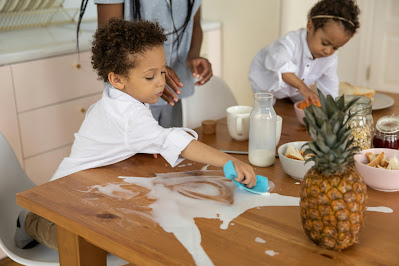
Toddlers are learning something new almost every day. A spilled drink, a fallen block tower, or a drawing that doesn’t turn out as expected can quickly lead to frustration—for children and parents alike!
It’s natural to feel impatient when there’s a mess to clean up, especially on a busy day. But how we respond in these moments can help children learn that mistakes are a normal part of growing, not something to be ashamed of.
Instead of saying, “You’re so careless!”, try saying, “Oops, the juice spilled. Let’s clean it up together.” This approach sets a clear expectation while showing your child that a mistake doesn’t change how much they are loved.
Try this at home: When a puzzle piece won’t fit or a tower keeps falling, encourage your toddler to try another way. You might say, “That didn’t work yet. What could we try next?” Offer help when they need it.
Pro Tip: Acknowledge your child’s feelings before offering a solution. “You’re upset because your tower fell” can help them feel understood. Then guide them towards a simple next step, such as rebuilding the tower or tidying up together.
4. Celebrate Effort Over Achievement
For toddlers, everyday activities are full of little milestones: stacking blocks, attempting a puzzle, drawing their first circles, or trying to put on their shoes. These moments may seem small to adults, but they can feel like big accomplishments to a young child.
Instead of praising only the final result, notice the effort your toddler puts into learning. Specific encouragement helps children recognise what they did and what they can keep practising.
For example, rather than always saying, “Good job!”, try saying, “You kept trying to fit those puzzle pieces together!” or “You concentrated so carefully while building that tower.”
Try this at home: When your child attempts something challenging, describe what you noticed. You could say, “You tried a different way when the first block fell,” or “You worked hard to put your shoes on.”
Pro Tip: Keep praise sincere and specific. Your child doesn’t need applause for every little action. A warm observation, a smile, or simply allowing them to enjoy their accomplishment can be enough. The goal is to help children appreciate their own learning, not depend on constant approval.
5. Model Positive Self-Talk
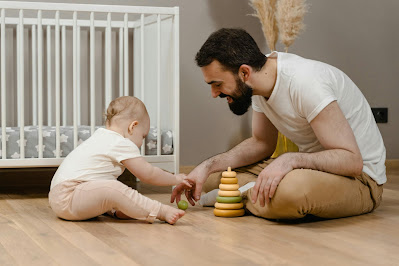
Toddlers learn a great deal by watching the adults around them. They notice how we respond when something goes wrong, how we talk about ourselves, and whether we treat our own mistakes with patience or criticism.
If your child regularly hears you say, “I’m terrible at this,” they may begin to think that making mistakes means they aren’t good enough. You don’t have to pretend everything is perfect. Instead, show them how to respond to difficulties with kindness and a willingness to try again.
For example, when a recipe doesn’t turn out as expected, you might say, “That didn’t work the way I planned. I’ll try a different way next time.” When you need a break, you could say, “I’m feeling frustrated, so I’m going to take a few quiet breaths.”
Try this at home: Let your toddler hear you recognise your efforts, solve small problems, and speak kindly about yourself and others.
Pro Tip: Positive self-talk isn’t about pretending to be happy all the time. It’s about showing children that everyone has difficult moments, and we can respond to them with patience, self-respect, and hope.

6. Create a “Confidence Corner” at Home
Children often feel more capable when their surroundings allow them to do small things independently. You don’t need a separate playroom or expensive furniture to make this happen. Even a small, organised space can help your toddler feel that they have a place of their own.
Think about the everyday tasks your child is beginning to learn. Can they reach their favourite books? Is there a basket where they can put their toys away? Can they find their shoes without always asking an adult?
These little opportunities encourage children to explore, make choices, and take part in family routines.
Try this at home: Arrange a few sturdy bookshelves or baskets at your child’s level, place toys in clearly defined spaces, or provide low hooks for bags and jackets. Choose stable furniture and keep climbing hazards out of reach.
Pro Tip: Start small. Organise one shelf or one basket together, and let your toddler help decide where familiar items belong. The aim isn’t a perfectly tidy room; it’s to give your child safe opportunities to practise independence and feel included.
7. Include Them in Family Decisions
Even though toddlers are still learning how the world works, they can begin making simple choices as part of everyday family life. When we give them opportunities to express their preferences, we show them that their thoughts and feelings matter.
Of course, toddlers shouldn’t have to make every decision. Parents still need to set routines and make important choices about safety, health, and family life. The idea is to offer small, age-appropriate choices within those boundaries.
Try this at home: Ask, “Would you like the red shirt or the blue one?” or “Shall we read this book or that one before bed?” You can also invite your toddler to choose between two familiar vegetables or decide which toy to put away first.
Pro Tip: Offer just two acceptable options rather than asking an overwhelming, open-ended question. If neither option works for your child, stay calm and gently explain what needs to happen. Giving children a voice while maintaining loving boundaries helps them practise decision-making and feel included.
8. Set Boundaries with Kindness
Confidence doesn’t mean allowing children to do whatever they want. Toddlers also need clear, loving boundaries that help them understand what is safe, what is expected, and how to treat others.
When parents respond consistently and calmly, children gradually learn that limits can exist alongside love and understanding. A boundary doesn’t have to involve shouting or shaming; it can be firm while still respecting a child’s feelings.
For example, if your toddler hits during a moment of frustration, you might say, “I won’t let you hit. You seem upset, and I’m here to help.” This sets a clear limit without labelling your child as naughty or bad.
Try this at home: Use short, clear statements such as “Toys are for playing, not throwing at people” or “It’s time to hold my hand near the road.” Acknowledge your child’s feelings while calmly guiding them towards a safer choice.
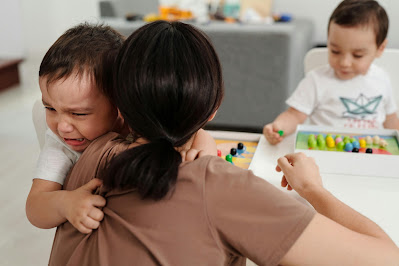
Pro Tip: Your toddler may still cry or protest when you set a boundary. That doesn’t mean you’ve done something wrong. Stay calm, offer comfort when appropriate, and repeat the limit consistently. Children can learn that their feelings are welcome even when every behaviour isn’t allowed.
9. End the Day with “One Proud Thing”
Bedtime can be a lovely opportunity to slow down, reconnect, and help your toddler feel valued after a busy day. You don’t need a long conversation or a special routine. Even a few quiet minutes together can create a sense of closeness.
You might remember a moment when your child tried something new, showed kindness, or kept practising a difficult task. Mentioning these small moments helps your toddler feel noticed for who they are and what they are learning.
Try this at home: As you settle your child for bed, say, “I noticed you tried putting your shoes on today. You kept practising!” You can also ask, “What was something fun you did today?” If your toddler is too young to answer, simply share a happy moment you noticed.
Pro Tip: Keep this routine gentle and pressure-free. Some toddlers won’t be able to explain what made them feel proud, and that’s perfectly normal. Offer warmth and encouragement without expecting a particular answer. The goal is to end the day feeling connected, not to test your child’s memory or performance.

A Little Reminder from Mama Duck: Confidence Grows Through Practice
Think of how a mother duck allows her ducklings to explore their surroundings while staying close enough to guide and protect them. Toddlers also need opportunities to try things for themselves, knowing that a trusted adult is nearby when they need help.
Imagine a toddler who insists on spreading butter on their own toast. The process might take longer, and an adult may need to help with the final touches. But the child gets a chance to practise, make choices, and experience the satisfaction of contributing.
These everyday moments remind us that building confidence isn’t about getting everything right. It’s about allowing children to try, supporting them when they struggle, and celebrating the small steps they take along the way.
As parents and educators, we can offer that balance of freedom and reassurance—giving children room to learn while letting them know they don’t have to do everything alone.

Conclusion: Confidence Begins with Everyday Moments
Raising a confident toddler isn’t about being a perfect parent or getting every moment right. It’s about creating a home where your child feels loved, listened to, and encouraged to learn.
From allowing your little one to put on their own socks to responding patiently when something goes wrong, small everyday interactions can help children develop independence and trust in their abilities. Some days will go smoothly; on others, everyone may feel tired or frustrated. That’s part of family life, too.
Choose one habit from this list and try it this week. Notice how your child responds, make adjustments when needed, and remember that confidence develops gradually through repeated experiences of encouragement, connection, and support.
Which of these nine habits will you try first? Share your favourite proud toddler moment in the comments. Your experience might encourage another parent who is navigating the same stage.
If you found this article helpful, share it with another parent who would appreciate these gentle, practical ideas. Happy parenting! 💛
Click here to download your free Confidence Tracker!

Please do read my other articles and drop your comments.
Screen-time-alternatives-for-kids-20-creative-offline-activities-to-spark-imagination
Happy Parenting!