

Introduction: Summer Parenting Hacks for Happy, Screen-Free Toddlers
Summer parenting hacks can be a lifesaver when toddlers are spending more time indoors, feeling restless in the heat, and asking for screens throughout the day.
With school holidays here, many parents face the same challenge: how do we keep little ones happy, engaged, and cool without relying on television or mobile devices? The good news is that toddlers don’t need expensive toys or elaborate activities to enjoy their summer. Simple play ideas, predictable routines, refreshing snacks, and opportunities to explore can make an ordinary day feel special.
As an educator, I believe these everyday moments are also opportunities for learning. Whether your toddler is sorting colourful objects, listening to a story, helping prepare a snack, or splashing water under supervision, play can support language, creativity, coordination, and independence.
In this guide, you’ll discover practical summer parenting hacks, screen-free indoor activities, toddler-friendly snack ideas, heat-safety tips, and a simple daily schedule to help your family enjoy a happier, healthier summer.
Why Summer Routines Matter for Toddlers
Toddlers feel more secure when they have a predictable rhythm to their day. During summer holidays, the usual preschool routine may disappear, leaving little ones restless, bored, or unsure of what comes next.
A simple daily routine doesn’t need to follow a strict timetable. Instead, alternate active play with quiet time, meals, stories, naps, and other familiar activities. On particularly hot days, plan indoor play during the hottest hours and reserve outdoor activities for cooler parts of the day.
Quick Tip: Create a visual summer schedule using pictures or simple words to show your toddler what comes next. Include snack time, story time, creative play, rest, and supervised outdoor fun.
A practical example: Rina, a parent of a two-and-a-half-year-old, introduced a simple routine that included snack time, craft activities, and story time. Having familiar activities to look forward to helped make the day more predictable for her child.
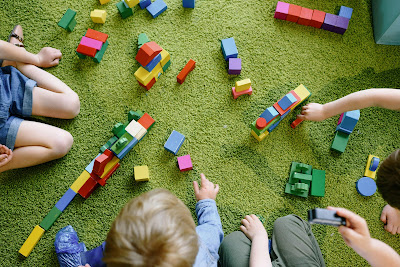
Screen-Free Indoor Activities to Beat the Heat
When the summer sun makes outdoor play uncomfortable, indoor activities can keep toddlers curious, busy, and happily engaged. The best activities are simple, age-appropriate, and flexible enough for little ones to explore at their own pace.
Frozen Toy Rescue
Place a few large, age-appropriate toys in a container of water and freeze them. Let your toddler watch the ice melt and explore how the toys are gradually released.
Learning benefit: Encourages curiosity, observation, and sensory exploration.
Safety tip: Supervise closely, avoid small toys that could pose a choking risk, and never leave your toddler alone with water.
Summer Sensory Play
Set up a supervised sensory tray with large scoops, cups, soft toys, or other safe objects. Let your toddler explore different textures and practise filling, emptying, sorting, and naming objects.
Learning benefit: Supports fine motor skills, vocabulary, and early problem-solving.
Safety tip: Avoid small loose materials such as rice, beads, and tiny shells for toddlers who may put objects in their mouths.
Living Room Obstacle Course
Use cushions placed securely on the floor, a short crawling tunnel, or simple floor markers to create an easy movement course. Encourage your toddler to crawl, step over low obstacles, or follow a simple path.
Learning benefit: Develops balance, coordination, body awareness, and listening skills.
Safety tip: Keep the course away from stairs, sharp corners, and unstable furniture.
Storytime and Pretend Play
Read a favourite picture book together, act out the characters, or use soft toys to create a little story. Invite your toddler to name objects, make animal sounds, or choose what happens next.
Learning benefit: Encourages language development, imagination, and emotional expression.
Pro Tip: Rotate a few activities every several days rather than introducing everything at once. Familiar activities can feel exciting again when presented in a new way.
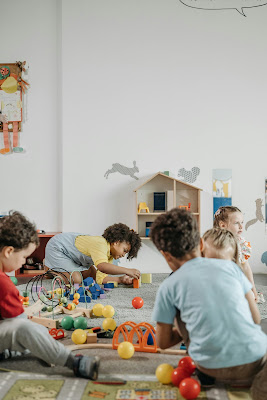
Cooling Snacks Toddlers Will Love
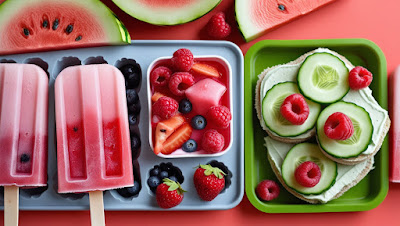
Hot summer days are a wonderful opportunity to offer toddlers refreshing foods that also provide nourishment and hydration. Along with their usual meals, water-rich fruits and simple homemade snacks can make snack time enjoyable.
Homemade Watermelon Popsicles
Blend seedless watermelon until smooth and freeze it in suitable popsicle moulds. For younger toddlers, offer the frozen fruit in a form they can safely manage without biting off hard chunks.
Chilled Yogurt and Berry Treats
Serve plain yogurt with mashed berries or soft, finely chopped fruit. You can also chill the mixture for a refreshing snack, keeping the texture soft and easy to eat.
Cucumber and Hummus Snack
Offer cucumber prepared in an age-appropriate shape and texture alongside a little smooth hummus. Avoid hard, round cucumber slices that may pose a choking risk.
Fresh Fruit Bowls
Serve soft, ripe fruits such as banana, papaya, or ripe mango, cut or mashed according to your toddler’s developmental stage.
Make it fun: Invite your toddler to help wash fruit, stir yogurt, or choose between two snack options. These small tasks can encourage independence and make food exploration enjoyable.
A safety reminder: Always supervise toddlers while eating. Avoid whole grapes, whole berries, hard fruit chunks, nuts, and other choking hazards. Keep food textures and shapes appropriate for your child’s age and chewing ability. Frozen foods should be soft enough to manage safely, not hard chunks of ice.
Remember, refreshing snacks are a complement to regular meals and water—not a replacement for them.
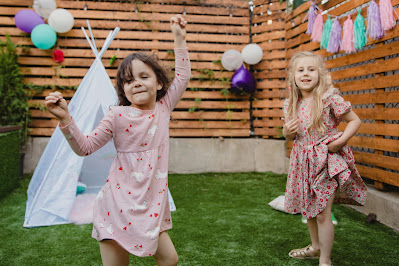
Outdoor Fun: Safe Play Even in Hot Weather
Toddlers need opportunities to move, explore, and enjoy the outdoors. During summer, however, timing and heat safety matter just as much as the activity itself.
Try These Simple Outdoor Activities
- Early-morning nature walk: Look for birds, leaves, flowers, and interesting sounds before the day becomes too hot.
- Water play: Let your toddler splash with a small amount of water in a shallow container while you remain within arm’s reach and give constant, attentive supervision.
- Chalk art: Draw simple shapes on a shaded outdoor surface and let your child scribble or follow the lines.
- Plant care: Allow your toddler to help water plants using a small, lightweight watering can.
Keep Outdoor Play Safe
- Plan activities during cooler hours, usually early morning or later in the evening, depending on local conditions.
- Choose shaded areas and dress your toddler in lightweight, breathable clothing.
- Use suitable sun protection, including a broad-brimmed hat, shade, and child-appropriate sunscreen.
- Offer drinking water regularly and take breaks in a cool place.
- Watch for unusual tiredness, dizziness, headache, nausea, or excessive irritability, which may signal heat-related illness.
If your toddler seems unwell in the heat, move them to a cool place and seek appropriate medical advice. Confusion, fainting, or other severe symptoms require emergency medical attention.
Remember: Outdoor play should be enjoyable, not exhausting. On extremely hot days, indoor play in a cool, well-ventilated space is the better choice.
Hydration and Sleep Tips for Hot Summer Days
Hot weather can affect your toddler’s energy, comfort, and sleep. A few simple habits can help little ones stay hydrated, comfortable, and rested throughout the summer.
Keep Your Toddler Hydrated
- Offer water regularly: Make water easily accessible and offer it throughout the day, especially during active play and outdoor outings.
- Serve water-rich foods: Watermelon, oranges, cucumber prepared safely, and other suitable fruits can complement regular water intake.
- Make drinking fun: Use a familiar cup or let your toddler choose between two favourite cups.
- Watch for dehydration: Unusually dark urine, fewer wet nappies or trips to the toilet, a dry mouth, or unusual tiredness may indicate dehydration. Seek medical advice if you are concerned.
Help Your Toddler Sleep Comfortably
- Choose lightweight sleepwear: Breathable clothing can help your child remain comfortable.
- Keep the bedroom cool: Use appropriate ventilation or air conditioning where available, and ensure fans and electrical cords are safely out of reach.
- **Maintain a calming bedtime routine:

Free Printable: Toddler Summer Schedule Chart
A simple daily schedule can help toddlers understand what comes next while giving parents a little more structure during the summer holidays. Remember, the aim is not to fill every minute with activities but to create a gentle rhythm of play, meals, rest, and connection.
Use the summer schedule chart below as inspiration, and adjust it to suit your toddler’s age, nap times, and family routine.
A Sample Screen-Free Summer Day
| Time | Activity |
|---|---|
| Morning | Wake up, freshen up, and have breakfast |
| Early morning | Outdoor play during cooler weather |
| Mid-morning | Indoor sensory play, puzzles, or creative activities |
| Late morning | Healthy snack and storytime |
| Afternoon | Lunch, nap, or quiet time in a cool room |
| Late afternoon | Pretend play, music, or simple crafts |
| Evening | Family time and dinner |
| Bedtime | Bath, a favourite story, and a calming bedtime routine |
Parenting tip: Toddlers have different sleep, eating, and activity needs. Treat this schedule as a flexible guide rather than a strict timetable. It’s perfectly fine to repeat favourite activities or allow extra rest on especially hot days.
Make it interactive: Display the chart where your toddler can see it. Use pictures for younger children and let your little one point to the next activity. This simple habit can encourage communication, predictability, and growing independence.
Conclusion: Make This Summer a Season of Discovery
Summer doesn’t have to mean endless screen time, boredom, or daily struggles to keep your toddler occupied. With a little planning, simple play ideas, refreshing snacks, and a flexible routine, you can turn ordinary summer days into opportunities for connection, exploration, and learning.
Remember, your toddler doesn’t need a packed schedule or expensive toys. Sometimes, the happiest moments come from splashing water under supervision, listening to a favourite story, helping wash fruit, or exploring the world together.
As parents and educators, we can make the most of these everyday moments by encouraging curiosity, independence, and joyful learning while keeping children’s comfort and safety a priority.
Start small, follow your toddler’s interests, and remember to take care of yourself, too. A relaxed parent and a child who feels connected can make summer more enjoyable for the whole family.
Ready to make summer more fun and screen-free? Try one activity from this guide today and build from there.
For more ideas, explore my guide to Screen-Time Alternatives for Kids: 20 Creative Offline Activities to Spark Imagination.
I’d love to hear from you! What is your toddler’s favourite screen-free summer activity? Share your ideas in the com
Do check out my other articles and do comment below if you like them.
Screentime Alternatives for kids
Happy Parenting!