
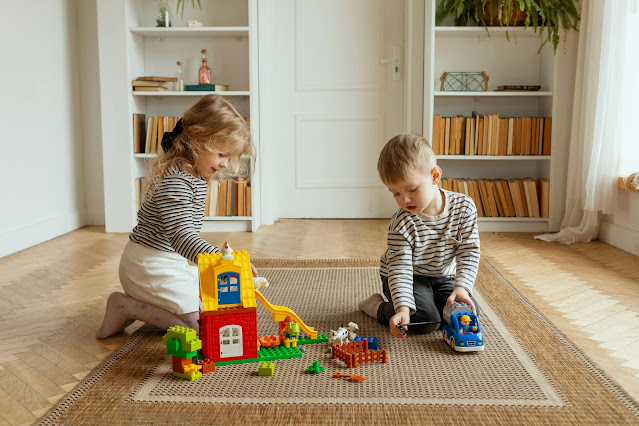
Introduction
Research shows that play helps kids manage tantrums by giving them a safe emotional outlet.The current situation in today’s world demonstrates why parents ought to have this right
now more than ever before. Parents experience complete exhaustion because of the emotional outbursts that happen all the way from preschool years to late middle childhood stages.
A peaceful resolution awaits parents in their existing toy collection rather than the endless stream of parenting books they have already tried. The Child Mind Institute found that emotional naming difficulties affect sixty-two percent of children which creates emotional frustration along with shutdown behavior.
But play—yes, play—can rewire this and can manage tantrums.
Let kids experience emotional growth through joyful moments which serve as developmental exercises for their self-assurance. A Small Brain Mechanism Transformationally Changes Everything
According to neuroscientists play functions as the core ingredient that enhances child cognitive skills during development.
Why Play Helps Kids Manage Tantrums Naturally
Imaginative play activates the prefrontal cortex of the brain at the same level as lit Christmas decorations. Children reduce their stress hormones at a faster rate by experiencing sensoryactivities like water beads instead of taking timeouts. Through role-playing kids gain the opportunity to practice difficult situations (such as sharing toys or dealing with fears) securely.

Real mom wisdom:
To calm his post-daycare emotional outbursts my son and I used stuffed animals to retell daily events. The teacher bear declared under the supervision of the student who would narrate this dialog saying ‘It’s acceptable to miss your mother.’ Total game-changer.” – Leah, mom of 3 (and accidental play therapist).
Why Play Helps Kids Manage Tantrums Naturally –Reduces Anxiety and Emotional Overwhelm
Five Educational Activities Can Perform Magic Teaching
1. The “Emotion Detective” Game

A magnifying glass purchased from a dollar store serves as a tool to help children analyze feelings that appear in publications, moving pictures or heritage photos through this game. “Hmm… Elsa from Frozen presents a frozen expression which masks her internal feelings of being scared. What clues tell us that?”
2. Zen Zone Sensory Bin 🧘 Build your own:

The base material of kinetic sand operates perfectly for this activity because it creates no chaos for users while also providing comforting effects to adults. The sensory bin includes small crystals and smooth stones and aroma-therapy lavender dough as treasures.
• Tools: Tweezers, scoops, silent timer (for transitions).
People refer to their version of this sensory activity as ‘Storm Calmer.’ My daughter acquires soothed and relaxed-hand posture while searching for ‘powergems’ during her anger moments. – Rebecca Instagram
3. Feelings Charades:

4. TikTok Edition – Your child can create
short video segments which demonstrate their feeling expressions through exaggerated sorrowful deep breathing and passionate cheering motions. Watch them together and guess. Bonus: Grandparents love these!
5. “Fix-It” Role Play:

A stuffed animal presents itself with both a broken heart and upset brain as part of the scenario. Ask: “What tools can we use? Bandages? Kind words? Deep breaths?” Our house turned syringes into “calm shots” through the Doctor Play Kit .
5. The Gratitude – Scavenger Hunt
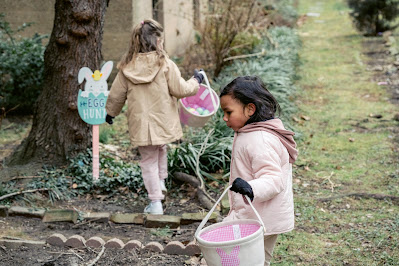
The scanning forexcitement and bravery should become a search for objects that release joyful emotions. The session concludes with a dancing celebration of all accomplishment achievements.
“This Saved Our Family” – Real Parent Wins – From Chaos to Calm in 10 Minutes:

“Mornings used to be scream-fests. Now, we race to the sensory bin while singing ‘Let It Go’ (yes, every day). Tears dropped by 80%!” – Mark, dad of twins
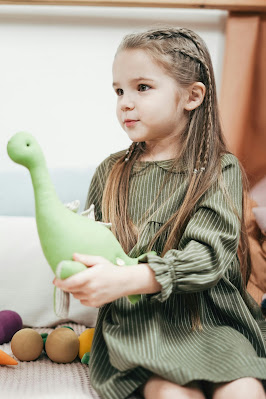
Puppet Anecdote: Parent’s words – My shy 7-year-old uses a dinosaur puppet to say ‘I’m scared of math.’ Now we ‘teach’ the dino together. Homework wars = gone. – Aisha, teacher and mom
Play-helps-kids-manage-tantrums – When Play Isn’t Enough: Signs to Seek Support
✅ Rarely engages in pretend play by age 5
✅ Has daily meltdowns lasting 30+ minutes
✅ Avoids eye contact or withdraws consistently
Conclusion
Play Helps Kids Manage Tantrums and Big Emotions
Tantrums, anxiety, and emotional overwhelm are not signs of bad behavior: they indicate that a child is still learning to cope with big feelings. behavior—they are signals that a child is still learning how to cope with big feelings. When we view play not as a reward or a distraction, but as a powerful emotional tool, everything begins to change. see play not as a reward or a distraction, but as a powerful emotional tool, everything begins to shift.
Through play, children release stress, feel understood, and slowly learn to calm their bodies and minds. how to calm their bodies and minds. By providing safe, unstructured, connection-filled playtime, parents offer children something deeply valuable: a space where emotions are welcome and manageable. offering safe, unstructured, and connection-filled playtime, parents give children something deeply valuable: a space where emotions are welcome and manageable.
Over time, these playful moments build emotional resilience, strengthen parent-child bonds, and help children move from chaos to calm, one playful moment at a time. calm—one playful moment at a time. So the next time emotions are running high, pause before correcting or controlling. run high, pause before correcting or controlling. Sometimes the most effective response is not a lecture or a break, but an invitation to play. Sometimes, the most effective response isn’t a lecture or a timeout—it’s an invitation to play.
Your Turn: Which activity will you try first? DM me your stories—I might feature you in my next post!
Also do read other articles which might be helpful
Screen time alternatives – 20 creative and offline activities to spark imagination
How to manage over stimulated Child
HAPPY PARENTING😍